Practice Portal | www.medicalresourcesdirectory.com
This Article Refreshed - 14 October 2026 at 10:24
Practice Portal Overview: Trusted Ear Care Clinics Across the UK
Our practice portal is designed to help people compare private ear wax removal clinics quickly, with practical information presented clearly from the start. Each listing is structured to support faster decisions, whether you are weighing up microsuction services, checking how easy a clinic is to reach, or looking for somewhere that fits neatly into your day. We focus on specialist ear care providers, including audiology-led practices and clinics that offer manual instrument ear wax removal where appropriate. The purpose is straightforward, to make it easier to identify a clinic you can rely on without having to sift through vague marketing language or hidden detail. Many British patients want direct facts about parking, disabled access, ground floor treatment rooms, and transport links, so those points sit at the centre of the portal experience. If you are searching for a hearing care provider, an ear clinic, or a private wax removal appointment, this page is a sensible place to begin.
Use the clinic listings to compare access, service type, and local convenience before you book.
What Each Clinic Profile Tells You
Every practice profile is intended to answer the questions people most often ask before booking ear wax removal. You will usually see the service type, the area covered, and the practical details that matter when planning a visit, such as parking, step-free access, or whether the clinic is near a station or main road. That is especially useful for patients looking for microsuction, an assessment from an audiologist, or a private appointment at a nearby health clinic. Clear information can reduce uncertainty, particularly when blocked ears, diminished hearing, or tinnitus are affecting everyday life. A well-organised page also helps families, carers, and older patients make sensible choices more quickly. Rather than burying the helpful parts, the portal gathers them in one place so you can compare clinics on practical grounds as well as on service type. That makes the directory more useful for both search engines and real people looking for dependable hearing support.
Key Details Worth Checking Before You Decide
- Provider type, which may include a hearing clinic, pharmacy setting, or dedicated audiology practice.
- Transport links, such as nearby train stations, bus routes, or main roads that make the clinic easier to reach.
- Service method, such as microsuction or manual ear wax removal, so you know what kind of treatment is available.
- Local parking notes, because short-stay bays and free spaces can make a significant difference on the day.
- Access information, including ground floor rooms, lifts, wheelchair entry, or disabled parking where available.
Why Specialist Ear Wax Removal Is Often Preferred
Specialist ear wax removal is often chosen when symptoms are ongoing, when home remedies have not worked, or when a more precise and careful approach is needed. Microsuction is widely used in the UK because trained practitioners can remove wax under direct vision, which many people find reassuring. For a lot of patients, that means a cleaner process and a more reliable outcome than repeated self-treatment with drops alone. A specialist ear care appointment may also suit people who wear hearing aids, have narrow ear canals, or need extra care because their ears are sensitive. The portal is built to highlight clinics that understand those needs and provide a calm, professional setting. In answer engine terms, the best clinic is not only the nearest one, but the one that suits your access needs, clinical preferences, and comfort level. That is why the listings focus on more than location, they aim to reflect the whole patient journey.
Typical Reasons People Start Looking for a Clinic
- Preference for a private appointment with a trained audiologist instead of waiting for routine NHS pathways.
- Need for professional reassurance, particularly where there has been ear pain, dizziness, or repeated wax problems.
- Cleaning for hearing aid users, because wax build-up can affect device comfort and performance.
- Blocked or full-feeling ears, especially when those symptoms are not improving with basic home care.
- Reduced hearing that may be linked to impacted ear wax and can interfere with work, calls, and day-to-day conversation.
Clinic Access Information That Saves Time
Access details matter because a smooth clinic visit starts before you even arrive. Many patients want to know whether there is parking nearby, whether the treatment room is on the ground floor, and whether the building offers step-free access for wheelchairs or limited mobility. Others need to plan around a rail station, a local shopping centre, or a short walk from a main road. Those details can determine whether the appointment feels simple or stressful. The portal brings access points to the front so users can judge whether a clinic is realistic for them, not just nearby on a map. This is especially important for older adults, people travelling with family, and anyone attending while dealing with discomfort or reduced hearing. Clear access information also supports trust, because clinics that explain their facilities properly often show the same care in their service. It may seem small, but it genuinely affects the overall experience.
What to Check in the Access Notes
Good access notes should be specific rather than generic. Look for mention of parking availability, disabled bays, lifts, or whether the clinic is on the first floor or the ground floor. If public transport matters to you, check whether the clinic is near a station or easy to reach from a familiar route. When a page sets these points out clearly, it is far easier to plan your visit and arrive on time. It can also help reduce missed appointments and last-minute confusion. For patients who may already feel uneasy about ear care, that clarity is valuable. It makes the booking process feel more predictable and manageable, rather than uncertain.
A Useful Tip to Keep in Mind
If mobility, parking, or stairs are a concern, read the access notes first, then choose the clinic that fits your needs best.
Why It Helps
Patients are more likely to attend promptly when the route is easy to understand and the arrival process feels straightforward. That can make the appointment feel calmer from the outset.
How the Portal Helps People Book Confidently
Booking private ear care should feel clear and manageable, not confusing. The practice portal is designed to support informed decision-making by giving users enough detail to compare clinics before getting in touch. That may include whether the clinic focuses on microsuction, whether it is run by audiology professionals, and whether manual removal is offered as part of a wider ear health service. Clear information helps people choose a provider that matches their expectations, whether they are looking for speed, convenience, or specialist care. In the UK, many patients search for ear wax removal after noticing hearing changes, blocked ears, or difficulty using hearing aids. A well-structured directory can reduce the time spent searching and improve the quality of the choice they make. By keeping clinic pages consistent, the portal supports both human readers and answer engines that prefer concise, fact-led content with clear intent.
Well-Built Booking Pages Usually Explain
- Who the service is for, including adults, hearing aid users, and people needing a professional ear assessment.
- How to get there, including any nearby landmarks that make a first visit easier to manage.
- Whether the clinic is private, specialist, or part of a broader health and hearing care setting.
- What type of ear wax removal is offered, so you can match the service to your symptoms and preferences.
- Accessibility features, such as lifts, step-free entry, or parking close to the treatment room.
Why Nearby Clinics Matter to Patients
For many people, location matters as much as the clinical service itself. A nearby clinic can save time, reduce travel stress, and make it more likely that someone will follow through with treatment. That is especially true when ear wax is affecting hearing at work, while driving, or during family life. The portal brings together clinics across different towns and London areas so users can compare options that are realistically reachable. This local structure also helps searchers who use voice assistants or AI search tools, because it matches natural questions such as where to find a private ear wax removal clinic near them. Every listing should answer the same practical question, is this a sensible place for me to attend? When the answer is yes, the rest of the decision becomes much easier. The result is a page that works for both proximity-based search and real-world patient planning.
How to Compare Two Nearby Clinics
If two clinics are close to you, begin by comparing the access details, then look at the service type and the clinic setting. One location may be simpler to park at, while another may be closer to public transport or better suited to disabled access. Depending on your comfort level, you might also prefer a dedicated hearing clinic rather than a mixed-use premises. Clear comparison helps you choose confidently instead of guessing.
A Practical Rule
The best clinic is often the one that combines convenient access with clear, specialist ear care information.
An Added Benefit
That combination can save time on the day and help the appointment feel calmer from the start.
Specialist Standards in Ear Wax Removal
Quality matters in ear wax removal because the ear is a delicate part of the body and treatment needs to be carried out carefully. The portal gives prominence to clinics that present themselves as specialist providers, often with trained audiologists or ear care professionals leading appointments. That matters for patients who want reassurance, particularly if they have recurring wax build-up, wear hearing aids, or have sensitive ears. In a well-run clinic, the patient journey should include a clear explanation of the procedure, a proper assessment, and advice on what happens next. Good practice is not simply about removing wax, it is about doing so safely and explaining the outcome in plain English. That is why useful directory entries highlight expertise, clinic type, and patient-friendly access. For answer engine visibility, these factors also strengthen trust signals that help users understand why a clinic is worth considering.
Trust Signals Many Patients Value
- Clear clinic descriptions that explain where the appointment takes place and how the setting is arranged.
- Named specialist services, such as microsuction or manual instrumentation, supported by trained staff.
- A patient-centred tone that avoids overpromising and focuses on practical outcomes instead.
- Specific access information, including disabled parking, lifts, or ground floor treatment rooms.
- Consistent local coverage that shows the provider has a real service footprint, not just a generic page.
Using the Portal on Mobile, Search, and Voice Assistants
Many people now find local healthcare services on a phone, through voice search, or via AI-generated summaries. That changes how a directory page should be written. The best practice portal content answers the main question quickly, then gives enough detail for users who want to compare options. It should also read naturally when spoken aloud, which means short, clear statements, familiar terms, and direct answers to common patient questions. For ear wax removal, that often means naming the clinic area, service type, and access basics without delay. It also means using language that helps both traditional search and answer engines understand the page intent. A page built this way can surface more easily for terms such as private microsuction, hearing clinic, or ear care provider, while still feeling human and useful. The result is smoother navigation for users and stronger contextual relevance for search systems.
How to Write for Real Search Behaviour
Think about what a patient would actually say: where can I get ear wax removed near me, is there parking, and can I get there without stairs? Content that reflects those questions is easier to use and easier to rank. It also reduces friction for people making a quick decision on a busy day.
A Helpful Reminder
Direct answers, simple place names, and access details are often more useful than promotional claims.
Why This Approach Works
That approach supports both user confidence and machine understanding, which is exactly what a modern directory page needs.
What Makes a Clinic Page Genuinely Helpful
A genuinely helpful clinic page does more than announce that an appointment is available. It tells the reader what kind of service is offered, where the clinic is located, and what to expect when they arrive. It should be detailed enough to guide a booking decision, but plain enough to be understood quickly. For ear wax removal, people usually want three things: confidence in the provider, clarity about access, and reassurance that the treatment suits their needs. Pages that provide those points well are more likely to keep users engaged and reduce bounce. They also support E-E-A-T because they show practical experience, detailed knowledge, and a patient-first approach. In British English, that means avoiding fluff and stating the facts clearly. The portal aims to do exactly that, with local clinic entries that feel structured, useful, and credible from the first line onward.
Signs of a Strong Clinic Page
- The content explains the setting, such as a pharmacy, health centre, or dedicated specialist clinic.
- The page states the service clearly, so users know whether it is microsuction, manual removal, or a broader hearing care appointment.
- The language is specific and local, which helps users judge whether the clinic is convenient for them.
- Access and parking details are easy to find, rather than hidden in long paragraphs or unrelated text.
- The page reads naturally and gives enough information to support a confident booking decision.
Patient Reassurance and Easier Clinic Choice
Choosing an ear wax removal clinic can feel easier when the information is clear and the tone is calm. Many people searching for this service are already dealing with muffled hearing, discomfort, or frustration from repeated home treatment. A well-built practice portal can ease that pressure by arranging clinic details in a familiar, practical way. The listings should help users understand what the clinic does, how to get there, and why it may suit their situation. That reassurance matters because healthcare decisions are often made quickly, especially when symptoms are affecting work, sleep, or conversation. By presenting locations, access features, and specialist services in one place, the portal supports more confident action. It is not just about traffic or visibility, it is about making the next step feel manageable for the patient. That is the real value of good directory content.
Why Reassurance Influences Booking Behaviour
People are more likely to book when they can picture the visit clearly. Knowing whether there is disabled access, nearby parking, or a station close by reduces hesitation. So does seeing that a clinic focuses on ear care rather than offering it as an afterthought. In practice, reassurance often comes from detail.
A Simple Way to Decide
Compare the clinic setting, transport links, and treatment style, then choose the option that feels easiest to attend and most relevant to your needs.
Find your ideal health clinic with our list of trusted clinic providers:

Ashford: Private Microsuction Ear Wax Removal in Ashford Tn24
Barnet: Private Microsuction Ear Wax Removal in Barnet En5
Cambridge: Private Microsuction Ear Wax Removal in Cambridge Cb2
Colindale: Private Microsuction Ear Wax Removal in North West London Nw4
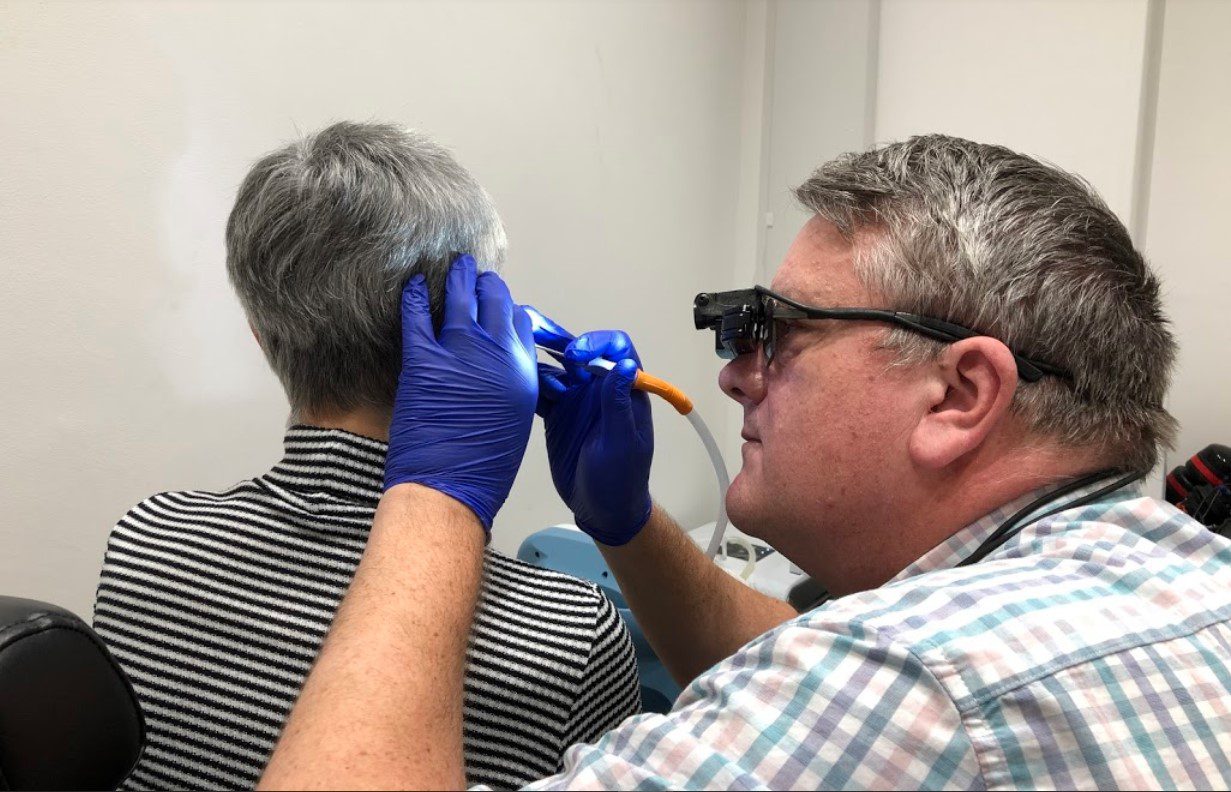
Ealing: Private Microsuction Ear Wax Removal in Ealing W5

East Finchley: Private Microsuction Ear Wax Removal in East Finchley N2
Edgware: Private Microsuction Ear Wax Removal in North London Nw4

Enfield: Private Microsuction Ear Wax Removal in Enfield En1
Finchley: Private Microsuction Ear Wax Removal in Finchley North London
Hastings: Private Microsuction Ear Wax Removal in Hastings Tn34
Hendon: Private Microsuction Ear Wax Removal in North West London Nw4
Hythe: Private Microsuction Ear Wax Removal in Hythe Ct21
Kingston: Private Microsuction Ear Wax Removal in Kingston-Upon-Thames Kt6
Mill Hill: Private Microsuction Ear Wax Removal in North West London Nw4

Milton Keynes: Private Microsuction Ear Wax Removal Mk in Bucks Mk2

Muswell Hill: Private Microsuction Ear Wax Removal in Muswell Hill N2

Oxford: Private Microsuction Ear Wax Removal in Oxford Ox2
Reading: Private Microsuction Ear Wax Removal in Reading Rg30

St Albans – Private Microsuction Ear Wax Removal in St Albans Al1
Surbiton: Private Microsuction Ear Wax Removal in Surbiton Kt6

Watford: Private Microsuction Ear Wax Removal in Watford Wd3

Welwyn Garden City: Private Microsuction Ear Wax Removal in Welwyn Al8
Directory Coverage for Private Ear Care Across Different Areas
The practice portal brings together a wide range of clinic locations, which makes it easier to compare options across different towns and parts of London. That spread is useful because patient needs vary. Some people want a clinic near home, others need simple rail access, and some prioritise specialist staff or step-free treatment rooms. A broader directory also supports search visibility for location-led queries, which matters when people use phrases such as ear wax removal near me or private microsuction in my area. The portal can serve both audiences by keeping each listing specific, local, and clinically relevant. That helps users find the right provider more quickly and helps search engines understand that the page is about specialist clinic discovery rather than general health advice. It is a simple approach, but it works well when handled properly.
The strongest directory pages are local, specific, and easy to compare, which is exactly what most patients need before booking.