Cambridge: Private Microsuction Ear Wax Removal In Cambridge CB2 – New Patient Checklist
This Resource Changed | 06:38, 14 Oct 2026
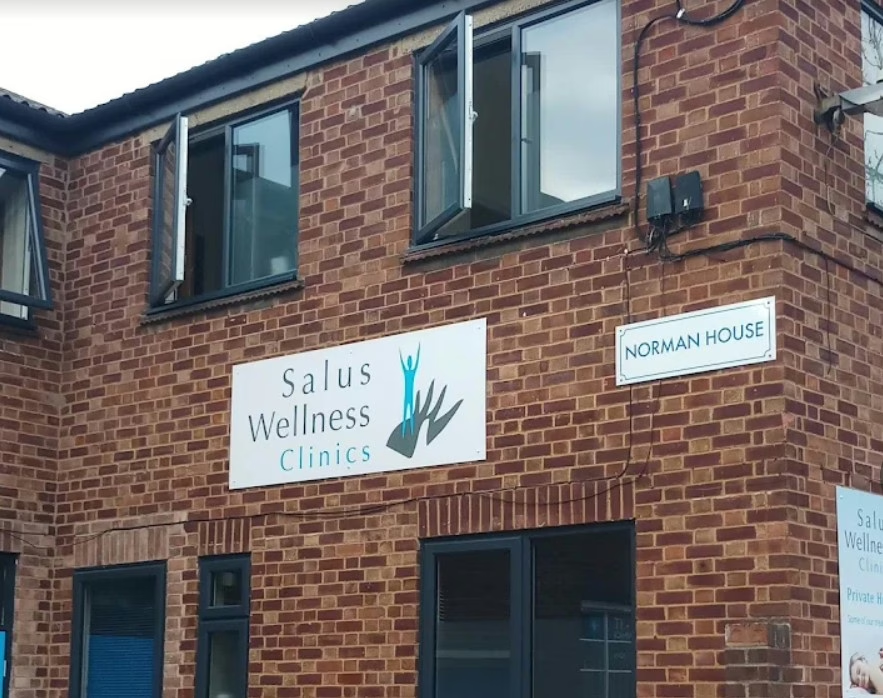
Our Cambridge ear wax removal clinic is based at Kent Sports Academy on Javelin Way. You will find ample parking right outside, plus disabled access to the clinic for a smoother arrival.
Ear Wax Removal Cambridge Cb2 Map, Location and Directions
You can get directions to our Microsuction Cambridge Location here. Just put in your location in the specified area and Google Maps should lead you to the clinic.
Hearing First Cambridge
URL: https://www.hearingfirst.co.uk/book-ear-wax-removal-near-me/book-microsuction-ear-wax-removal-cambridge/
Probably the best ear wax removal clinic in Cambridge
– don’t just take our word for it – here are some of our many 5 star reviews:
Your New Patient Checklist for Private Microsuction in Cambridge Cb2
If you are getting ready for private microsuction ear wax removal in Cambridge CB2, a simple checklist can take a lot of the uncertainty out of the day. New patients often want to know what will happen, how long it may take, and whether blocked ears, muffled hearing, or pressure could settle after treatment. It also helps to think through the practical side of things, such as parking, mobility, and whether you might want someone to drive you home if your hearing has been affected. Microsuction is a focused outpatient procedure that uses gentle suction to remove visible ear wax from the ear canal. Many people choose it when they want a private ear wax removal appointment without a long wait. Before you set off, confirm the clinic details, note any instructions you have been given, and leave enough time to arrive calmly. A steady start tends to make the appointment feel more manageable and less rushed.
What to Confirm Before You Leave Home
- Think about transport, parking, and any mobility support you may need, particularly if you are visiting the CB2 area for the first time.
- Bring any details about ear symptoms, recent infections, ear drops, or previous ear wax removal, as this helps the clinician assess your needs.
- Confirm your appointment time, clinic location, and any arrival instructions so you can plan your journey across Cambridge without rushing.
- Wear comfortable clothing and consider how you will manage if one ear is still blocked after treatment or if your hearing feels temporarily different.
- If you rely on hearing aids, note whether you have been asked to remove them before the appointment and where you will store them safely.
It is also wise to avoid cotton buds in the days before your appointment, because they can push wax further into the ear canal and make removal harder. If you have had ear surgery, a perforated eardrum, or ongoing ear pain, mention that in advance so the clinician can advise whether microsuction is suitable. A well-prepared new patient is often calmer, which makes it easier to talk through symptoms and understand what happens next.
Getting Ready for Your Ear Wax Removal Visit
Preparing for private ear microsuction does not need to be complicated, but a bit of organisation can make the whole experience feel easier. Many patients arrive with reduced hearing, a blocked sensation, tinnitus, or discomfort linked to impacted cerumen. If that sounds familiar, it helps to write down which ear seems affected, how long the issue has been present, and whether you have already tried softening drops. That gives the clinician a clearer picture before they inspect the ear canal. In most cases, the appointment begins with a conversation about symptoms and a look inside the ear using specialist equipment. The process is usually quick, precise, and suitable for adults who want an alternative to ear syringing. You do not need to do anything elaborate beforehand, but do avoid putting objects into the ear, as this can irritate the canal or drive wax deeper in. If you have been told to use olive oil or another softening treatment, follow that advice and bring the information with you.
Helpful Preparation Tips for First-Time Patients
Try to arrive with clean, dry ears and avoid using ear drops on the day unless you have been told to do so. Bring your glasses if you need them for reading forms or instructions, because hearing difficulty can make it harder to catch every detail in conversation. If you wear hearing aids, think about how long you can manage without them during the procedure and whether you may want a companion for the journey home. The goal is a visit that feels efficient, comfortable, and clinically safe.
When to Share a Medical History Detail
Tell the clinician about any previous ear infections, sudden hearing loss, dizziness, ear surgery, or problems with the eardrum. These details help shape the treatment plan and may affect whether microsuction is the right option for you on the day.
Video: What Happens in Your Ear Wax Removal Cambridge Appointment
Driving Directions to Hearing First Cambridge
- Private ENT Specialist Cambridge | Dr. Daniele Borsetto to Hearing First Cambridge: approximately 1.9 miles and 10 minutes by car. The route typically begins: Head north-west; then Turn right onto Adrian Way; then At the roundabout, take the 1st exit onto Main Dr. Open this route in Google Maps.
- Newnham Walk Surgery to Hearing First Cambridge: approximately 1.3 miles and 7 minutes by car. The route typically begins: Head north on Wordsworth Grove towards Newnham Walk; then Turn right onto Newnham Walk; then Newnham Walk turns left and becomes Ridley Hall Rd. Open this route in Google Maps.
- Royal Papworth Hospital to Hearing First Cambridge: approximately 2.3 miles and 11 minutes by car. The route typically begins: Head east towards Robinson Way; then Turn left towards Robinson Way; then Turn left onto Robinson Way Go through 1 roundabout. Open this route in Google Maps.
- Cambridge University Botanic Garden to Hearing First Cambridge: approximately 0.5 miles and 4 minutes by car. The route typically begins: Head north; then Turn left towards Bateman St; then Turn left onto Bateman St. Open this route in Google Maps.
Distances, indicative journey times and route links are provided by Google Maps. Check live conditions before travelling.
Finding the Clinic and Settling In
For many new patients, the treatment itself is the easy part, while the arrival can still create a little uncertainty. If you are visiting a Cambridge ear wax removal clinic in the CB2 area, allow extra time for traffic, parking, and the walk from your car to the entrance. That is especially useful if your hearing feels muffled or your balance is off, because rushing can make those symptoms seem more noticeable. Once you arrive, pause for a moment, look for signage, and settle yourself before going in. A private microsuction appointment is usually straightforward, but a calm arrival helps you begin the visit in the right frame of mind. If you are bringing someone with you, agree beforehand where they will wait and how long the appointment might take, which avoids confusion later. Good planning is especially helpful for first-time visitors who do not yet know the building layout or the clinic routine.
- If you are unsure about the building or access route, ask for clarification before you travel, rather than trying to work it out under pressure.
- Leave extra time for Cambridge traffic, parking manoeuvres, and the short walk to the entrance, especially at busier times of day.
- Keep your appointment details easy to reach on your phone or in print, so check-in is simple if you feel a little flustered.
- Use the waiting time to note your symptoms, including ear fullness, reduced hearing, ringing, or discomfort, so you can explain them clearly to the clinician.
- If you are sensitive to sound because of ear wax blockage, try to keep the journey quiet and unhurried, which can make arrival feel less demanding.
Once you are inside, the appointment should feel focused and unhurried. A well-organised arrival makes it easier to settle, ask questions, and move into the ear examination without unnecessary stress.
Book Your Microsuction Ear Wax Removal Appointment Today, And Say Goodbye to the Discomfort of Ear Wax.
Our microsuction ear wax removal clinic in Cambridge also serves clients in Central Cambridge, Chesterton, Mill Road, Grantchester Meadows, Eddington, Trumptington, Red Cross, Cherry Hinton, Church End, Teversham, Bottisham, Stow Cum Quy, Little Wilbraham, Fen Ditton, Barnwell, Kings Hedges, Arbury, Girton, Histon, Impington, Oakington, Bar Hill, Dry Drayton, Lolworth, Madingley, Hardwick, Comberton, Barton, Haslingfield, Frog End, Harlton, Little Eversden, Great Eversden, Claypit Hill, Kingston, Bourn, Caxton End, Orwell, Wimpole, Arrington, Whaddon Gap, Meldreth, Melbourn, Bridgefoot, Chrishall Grange, Ickleton, Hinxton, Stump Cross, Great Chesterford, Great Abington, Little Abington, Pampisford, Sawston, Babraham, Whittlesford, Six Mile Bottom, Great Wilbraham, Little Wilbraham, Bottisham, Horningsea, Waterbeach, Milton, Clayhithe, Cottenham, Landbeach, Northstowe, Newmarket, St Neotts, Histon, Royston, Fulbourn, Burwell, Cotterham, Hardwick, Boxworth, Great Shelford, Sawston, Linton, Babraham, Abington, Pampisford, Balsham, Longstanton, Brinkley, Cambs and Duxford and other towns and villages in Cambridgeshire.
What Happens During Private Microsuction
Microsuction ear wax removal is a clinical procedure carried out with a microscope or magnified light and a fine suction device. The clinician looks into the ear canal, identifies the wax, and removes it carefully without using water irrigation. That is one reason many patients prefer microsuction when they want a private ear cleaning service in Cambridge. The appointment is usually brief, and most people stay seated throughout. You may hear the suction sound and feel a little pressure, but the procedure is generally well tolerated. Because the clinician can see the ear canal directly, microsuction allows precise removal of wax from around sensitive areas. It is often chosen by people who have struggled with repeated wax build-up, blocked hearing, or discomfort after using drops. Some patients feel relief quickly once the blockage is cleared, while others notice improvement gradually over the rest of the day.
How the Clinician Checks Your Ear Before Removal
Before any wax is removed, the clinician usually examines the ear canal and eardrum to judge the amount, texture, and position of the wax. That matters because hard wax, sticky wax, and deep impaction may each need a different approach. The check also helps identify whether there are signs of infection, inflammation, or another issue that should be discussed before treatment continues.
Why Visibility Matters in Ear Care
Direct visual guidance is one of the main advantages of microsuction. It helps the clinician work carefully around the ear canal, reduce unnecessary contact, and avoid pushing wax deeper. For a new patient, that means the procedure can feel more controlled, with clearer explanations at each stage.
A Useful Tip If You Are Nervous
Tell the clinician if you feel anxious before the procedure starts. A brief explanation of what will happen next can make the appointment feel much more manageable, especially if your hearing has been poor for some time.
Disabled Access
Published Accessibility Features
- Wheelchair-accessible entrance
- Wheelchair-accessible parking
Accessibility details are provided by Google Maps. Contact the location to confirm individual requirements.
The clinic is located on the ground floor and there is level access.
Disabled Access: Ground Floor Convenience
The Cambridge clinic is on the ground floor and has level access, which helps visitors avoid stairs when attending for ear wax removal. Several disabled parking bays are also positioned opposite the entrance, giving a practical route from vehicle to clinic.
- Follow the level route to the ground-floor clinic.
- Use a disabled parking bay opposite the entrance where appropriate.
- If you need additional assistance, contact the provider before booking or travelling.
Accessibility arrangements can be especially valuable when a blocked ear is affecting comfort, balance or confidence. Confirm any individual mobility needs ahead of your microsuction appointment so you can focus on your ear care visit.
Access, Parking and Day-To-Day Comfort
Car Parks Near Hearing First Cambridge
- Short Stay Car Park, approximately 0.6 miles from Hearing First Cambridge. View on Google Maps.
- YourParkingSpace, approximately 0.4 miles from Hearing First Cambridge. View on Google Maps.
- YourParkingSpace, approximately 0.5 miles from Hearing First Cambridge. View on Google Maps.
Parking information and place links are provided by Google Maps. Check restrictions and charges locally.
Practical access matters just as much as the clinical side of ear wax removal. If you are attending a Cambridge CB2 clinic for microsuction, disabled parking, ground-floor access, and level entry can make the appointment feel less tiring and more reassuring. People with reduced mobility, pain, dizziness, or fatigue often find that a short, direct route into the clinic helps them save energy for the treatment itself. Parking close to the entrance can also be useful if you are carrying walking aids, travelling with a companion, or feeling unsteady because of ear blockage. Good access arrangements are part of good patient care, because they reduce avoidable strain before a procedure that should already feel straightforward. If you need extra time, prefer a quieter arrival, or rely on a support person, it makes sense to plan ahead. That way you can focus on the appointment rather than the logistics of getting there.
Making the Visit Easier for Mobility Needs
- Ask in advance about level access if stairs, steps, or narrow routes would create a problem for you.
- Bring any mobility aids you normally use, because feeling physically secure can reduce stress before a clinical appointment.
- Check whether you will be using a disabled parking bay or another suitable space near the entrance, so your walk is short and manageable.
- Allow time for a steady, unhurried arrival, which can help if you experience balance issues or feel more cautious when hearing is affected.
- Let someone know if you may need a little extra time getting in or out, especially if this is your first microsuction visit.
Comfort before treatment can improve the whole experience. Even small adjustments, such as choosing the easiest parking option or planning a companion to help, can make a private ear care appointment feel much calmer and more manageable.
Disabled Parking
There are several disabled parking bays opposite the entrance
Common Questions Before Treatment
It is completely normal to have questions before your first microsuction appointment. Many new patients want to know whether the procedure is painful, how long it takes, and whether hearing might improve straight away. Others are unsure whether blocked ears, tinnitus, or a clogged feeling are definitely caused by wax, so they want confirmation before anything is removed. A good clinician should explain the process clearly, describe what they can see inside the ear canal, and tell you if microsuction is appropriate for your situation. If you have used ear drops, had repeated infections, or experienced dizziness, those details are worth mentioning early. That sort of conversation helps build trust and gives you a better understanding of your ear health. Private ear wax removal is often chosen by people who want prompt assessment and direct answers, rather than waiting through a long pathway for routine care. The more clearly you describe your symptoms, the easier it is for the clinician to tailor the appointment to your needs.
Useful patient questions include how much wax is present, whether both ears need treatment, and whether there are any reasons to delay microsuction. Clear answers help you make informed choices about your care.
What to Ask If You Are Unsure About Suitability
Ask whether your symptoms fit wax build-up or whether they may suggest another ear condition. You can also ask about aftercare, what to expect if the canal feels irritated, and whether you should book a follow-up if the blockage returns. These questions are sensible, practical, and entirely normal for a first appointment.
Appointment Booking
Due to high demand, private ear wax removal is by appointment only. You can book an ear microsuction appointment in Cambridge here, or click on the button below:
Appointment Booking: Plan Your Microsuction Visit
Private ear wax removal in Cambridge is available by appointment only because of high demand. Booking ahead gives you a clear time to attend and helps the clinic prepare for your visit, whether you are seeking relief from a suspected wax blockage or arranging routine ear care.
Use the Cambridge microsuction booking page to request your appointment. Before confirming, review the available details carefully and make sure the location and appointment time suit your journey to Kent Sports Academy.
Microsuction ear wax removal is a focused private service for people who want to address ear wax concerns without relying on a walk-in visit. If you have questions about suitability, preparation or accessibility, ask the provider for guidance before attending.
Aftercare and What to Expect Once the Wax Has Gone
Research Catalogue Results for Ear Wax Removal
- The auricular cough reflex: lateralization, prevalence, procedural determinants, and the role of examiner handedness. - van de Loo J, Mayer M, Sharaf K, Eckel H, Jansen L, Klussmann JP, Luers JC., 2026.
- High-definition otoscopic device for humanitarian mission: how i do it. - Lechien JR, Maniaci A, Kipsang MJ, Kibor M, Vaira LA., 2025.
- Use of Castor Oil in Dermatology: A Narrative Review. - Girdler K, Cabatu A, Olds H, Potts GA., 2026.
Source: Europe PMC. These are bibliographic matches, not personalised medical advice or an endorsement of a treatment.
Once ear wax has been removed, many patients notice that hearing feels clearer, background noise is easier to interpret, and pressure in the ear has eased. For some, the change is immediate. For others, the ear canal may feel slightly sensitive after treatment, especially if the wax was hard or deeply impacted. That is usually short lived, but it helps to know what to expect so you are not caught off guard. Good aftercare for microsuction is straightforward. Keep the ears clean, avoid putting objects into the canal, and follow any advice given by the clinician. If you have been using drops, you may be told to stop them. If the ear feels blocked again later, or if symptoms such as pain, discharge, or persistent hearing loss continue, seek further advice rather than trying to clear the ear yourself. A clear aftercare plan helps protect your hearing and lowers the chance of repeat problems.
Normal Sensations After Microsuction
It is common for the ear to feel a little different after treatment. Some people notice temporary sensitivity, a feeling of greater openness, or a brief awareness of everyday background sounds that had been masked by wax. These sensations usually settle quickly as the ear adjusts.
When to Contact a Clinician Again
Get in touch if you develop pain, dizziness, discharge, or a sudden change in hearing after your appointment. Those symptoms are not typical after simple wax removal and should be assessed promptly.
Small Aftercare Habits That Help
Avoid cotton buds, hairpins, and other objects near the ear canal. If you use hearing aids, clean them as advised and keep them dry, because device hygiene can help reduce future wax build-up.
Why Gentle Ear Care Matters
The ear canal is delicate, and repeated poking can cause irritation, trapped wax, or infection. A light-touch routine is better for long-term ear health than trying to self-treat a blockage.
Parking
There is ample free on-site parking available.
Parking: Arrive with Confidence
Visitors to the Cambridge ear wax removal clinic can use the ample free on-site parking available at Kent Sports Academy on Javelin Way. Parking directly outside can make attending a private microsuction appointment more straightforward, particularly if ear blockage is making everyday listening uncomfortable.
Allow a little extra time to park, find the entrance and settle in before your appointment. If you are travelling with someone else or have any access requirements, it can be helpful to plan your arrival in advance for a calmer clinic visit.
Microsuction Compared with Irrigation and Syringing
Many patients choosing private ear wax removal in Cambridge are weighing microsuction against irrigation or ear syringing. Microsuction uses suction under direct vision, while irrigation uses water to flush wax out of the ear canal. The best option depends on the shape of the ear, the type of wax, and your medical history. In some cases, microsuction is preferred because it gives the clinician better control and avoids introducing water into the ear. That can be helpful for people with previous ear infections, perforations, or ears that are sensitive to moisture. Ear syringing is less common in many settings, partly because practice has shifted towards methods that allow more precise observation. For the patient, the main question is often not which method sounds familiar, but which one is most suitable and safe. A reputable clinic should explain the advantages, limits, and possible discomforts of each approach before treatment begins.
Why Suitability Should Be Checked Individually
- A personal assessment is more reliable than choosing a method based only on convenience or habit.
- Microsuction allows the clinician to see the ear canal directly, which can support more accurate and conservative treatment.
- Previous surgery, a perforated eardrum, or recurring infection can make irrigation less appropriate for some patients.
- Some ears contain hard, compacted wax that responds better to careful suction than to water-based methods.
- The right method may also depend on whether one ear or both ears are affected, and how deep the wax sits.
If you are unsure which option suits you, ask for a clear explanation during your booking or assessment. The aim is to choose the safest and most effective route for your ear health, not simply the quickest sounding one.
Microsuction Vs. Ear Syringing
but also because ear syringing is inherently less safe than ear micro suction. Possible side effects of ear syringing or irrigation are ear infection, perforation of the ear drum, Many people in North West London are finding that their local GP surgery no longer offers ear syringing. No doubt this is partly due to a lack of funding, further impaction of the ear wax, tinnitus, and hearing loss(i.e. the ear wax gets pushed even harder against the ear drum). Is it any wonder that people are going off walk in ear syringing in London and are seeking out microsuction ear wax removal instead? Unfortunately, the sharp rise in demand has meant that NHS micro suction clinics are now unable to meet the need and waiting times are often over two to three months.
You no longer need to wait months for micro suction. Why not save time by going private? It’s not as expensive as you think. Simply head to our booking page and you could be saying goodbye to your wax blockage this week!
28 Somewhat Quirky Facts About Cambridge
- Cambridge's First University College: Peterhouse was founded in 1284 by Hugh de Balsham, Bishop of Ely, and is the University of Cambridge's oldest college.
- The Round Church Survived the Reformation: The Church of the Holy Sepulchre, usually called the Round Church, was built around 1130 and is one of only four medieval round churches still standing in England.
- Parker's Piece Helped Define Football: In 1863, Cambridge rules for football were posted on Parker's Piece and helped influence the laws later adopted by the Football Association.
- Cambridge's Two-Mile Ditch: Hobson's Conduit is an early seventeenth-century artificial watercourse built to bring clean water from Nine Wells into Cambridge.
- A Museum Built Around a Whale Skeleton: The Museum of Zoology displays the skeleton of a fin whale, which was reinstalled in its main hall after the museum's major redevelopment.
- Cambridge's Medieval Leper Chapel: The Leper Chapel of St Mary Magdalene, founded around 1125, is one of the oldest surviving complete buildings in Cambridge and is now used for cultural events.
- The City's Victorian Water Tower: The distinctive red-brick water tower on Castle Hill was built in 1898 as part of Cambridge's expanding municipal water supply system.
- Lord Byron Had a Pet Bear at University (As You Do!)
When told he couldn’t bring his dog to Trinity College, the poet Lord Byron cheekily brought a bear instead. Since no rule explicitly forbade it, the college had no grounds to expel it. - Some Say Newton Didn’t Need the Apple
The famous apple story may be partly apocryphal. Some scholars believe Newton used the tale for dramatic effect — and there’s even debate about whether the apple actually fell on his head. - The Eagle Pub Holds DNA’s Greatest Secret
At The Eagle pub, Watson and Crick famously announced they had “discovered the secret of life.” A blue plaque marks the event — but locals say the pub is also haunted by wartime airmen. - The Best Ear Wax Removal In Cambridge
You can find the best ear wax removal in Cambridge through Hearing First, who operate within Salus Wellness on Cambridge Place, just off Hills Road. Book an appointment for ear wax removal in Cambridge with Hearing First today! - The Corpus Clock’s “Time-Eater” Doesn’t Tick Normally
The Chronophage — a grotesque insect sculpture on the Corpus Clock — appears to devour time. The clock runs fast, then slow, then stops… all by design, to symbolise the unpredictability of life. - There Are Ghost Stories in Nearly Every College
many colleges report ghostly sightings. Emmanuel College supposedly has a haunted library, From phantom scholars to floating monks, and Trinity has tales of ghostly footsteps in the cloisters. - Cambridge Has a Secret Society Named “The Night Climbers”
This mysterious group of students is known for scaling the rooftops and spires of Cambridge under cover of darkness — leaving surreal items like traffic cones on college chapels. - The Mathematical Bridge Was Once Taken Apart by Curious Students
Legend says students once dismantled Queen’s College’s Mathematical Bridge to understand its structure, but couldn’t reassemble it without nails. The truth? It’s just a myth — but a good one. - Stephen Hawking Had a Reserved Spot at a Chinese Restaurant
Hawking frequently dined at The Peking Restaurant. Staff say his table was always kept ready — and that he once requested a special dish not on the menu, which they named after him. - The Real Alice (from Wonderland) Lived Nearby
Alice Liddell, the inspiration for *Alice’s Adventures in Wonderland*, frequently visited Cambridge. Though Carroll was based at Oxford, the story had many ties to Cambridge acquaintances. - You Can Whisper Across a Courtyard
In certain college cloisters, like those at Trinity or St John’s, acoustics allow whispers to travel along the walls, letting people hear conversations from across the yard — eerie but true. - A Student Once Rowed a Bathtub Down the River Cam
In a moment of classic Cambridge eccentricity, a student successfully floated a bathtub down the river during May Week celebrations — with a bottle of bubbly and academic gown intact. - There’s a Secret Garden on the Rooftop of St John’s
Hidden atop one of St John’s buildings is a little-known roof garden, visible only to those who know where to look. Its purpose? A mystery to most students — and even some fellows. - The Bridge of Sighs Is More Like a Joke
St John’s Bridge of Sighs was named after the famous Venetian one, but it’s not mournful at all. In fact, Queen Victoria called it “the most beautiful bridge in England.” No one knows why the name stuck. - Isaac Newton’s Tree Is Cloned and Guarded
A clone of Newton’s famous apple tree exists at Cambridge and it’s said to be subtly guarded during exam season — in case overly stressed students try to “borrow” apples for inspiration. - Cambridge Had an Underground Radio Station During WWII
It’s rumoured that Churchill ordered a secret communications hub to be built under the university during WWII. Some allege tunnels still exist — but access is strictly off-limits. - The Grass Is Sacred — Don’t Walk on It
At many colleges, students can’t walk on the grass in courtyards unless they’re fellows. It’s such a deeply ingrained rule that doing so is considered rebellious… or brave. - There’s a Door in a Wall That Leads Nowhere
One of King’s College’s oldest walls has a bricked-up doorway with no historical records. No one knows where it originally led — or why it was sealed shut. - The May Ball Is Held in June
Cambridge’s famous May Balls — lavish all-night student parties — don’t actually happen in May. They’re held in June, after exams, but tradition stubbornly holds onto the old name. - Darwin’s Beetle Collection Was Nearly Lost to a Flood
Charles Darwin’s precious beetle collection was stored at Christ’s College. A 19th-century flood threatened to destroy it — but quick-thinking dons rescued the boxes by forming a human chain. - The University Owns a Piece of the Moon
The Sedgwick Museum of Earth Sciences in Cambridge houses a moon rock fragment from the Apollo 11 mission — quietly sitting in a display case between ancient fossils.
Who Private Microsuction Suits Best
Private microsuction is often a good fit for adults who want prompt ear wax removal without waiting for a longer NHS pathway. It may suit people with blocked hearing, hearing aid users who repeatedly build up wax, and anyone who finds ear fullness is affecting work, conversation, or sleep. It can also be helpful for patients who have tried softening drops and still need the wax removed by a clinician. Because the procedure is carried out under direct vision, it is often considered for people whose ears need a precise and careful approach. That said, not everyone is automatically suitable, so an initial assessment is important. If you have pain, an active infection, dizziness, or a past ear problem, the clinician should know about it before treatment goes ahead. A careful check supports safe decision-making and helps avoid unnecessary discomfort. For many new patients, the appeal of private microsuction is the mix of speed, clarity, and individual attention.
Signs That a Wax Appointment May Help
- Your hearing seems dull or muffled, especially in one ear, and the change feels more like a blockage than a gradual hearing problem.
- You keep feeling pressure, fullness, or crackling in the ear, even though you have not had a recent cold or infection.
- Hearing aids are not sitting comfortably or are not working as expected because wax is affecting the ear canal.
- You have used drops but still feel the ear is blocked, making everyday listening difficult at home or in work settings.
- You want a clinician to confirm whether wax is the cause before trying any further self-care at home.
These signs do not replace a clinical assessment, but they do show why many people seek private ear wax removal. A clear review of symptoms helps the clinician decide what to do next and whether microsuction is the most sensible option.
Nearby Clinics
Here are some other clinics close to our Cambridge location:
- Welwyn Garden City: Private Ear Wax Removal Welwyn Garden City
What to Bring and How to Get the Most from Your Appointment
You do not need much for a microsuction visit, but a few small items can make the appointment easier. Bring your appointment confirmation, any notes about your ear symptoms, and a list of medicines or ear drops if they are relevant. If you wear hearing aids, consider bringing the case so you can store them safely during treatment. Some patients also bring a companion, especially if their hearing is reduced enough to make travel or conversation more tiring. A new patient gets the most from the appointment by being ready to describe symptoms clearly and ask questions without feeling rushed. That includes sharing any history of ear infection, balance problems, surgery, or sensitivity to water in the ear. The clinician can then tailor the consultation and explain what happens next in plain language. Good preparation does not need to be complicated, but it does help make the visit efficient, safe, and reassuring.
| What to Bring | Why It Helps |
|---|---|
| Appointment details | Keeps check-in simple and reduces the chance of confusion on arrival. |
| Notes on symptoms | Helps the clinician understand how long the blockage has been affecting you. |
| Hearing aid case | Provides a safe place to store devices during the procedure. |
| Relevant medical history | Supports a safer assessment, especially if you have had ear problems before. |
These small steps may seem basic, but they improve the overall flow of the appointment. The more complete your information, the easier it is for the clinician to provide focused ear care and sensible next-step advice.
More Information
You can find more information on ear wax removal in Cambridge with Hearing First here.
Why Private Ear Wax Removal Feels Reassuring for Many New Patients
Choosing private microsuction can feel reassuring because the appointment is set for a specific time, the process is usually direct, and the treatment is carried out by a clinician who can explain each step. Many people who have lived with wax blockage for weeks want certainty and prompt relief, not more waiting. That is where a private service can feel especially helpful. It gives you space to ask about hearing changes, balance, pressure, and any previous attempts to clear the ears. For first-time patients, that attention can reduce worry and build confidence. You are not expected to know medical terminology or describe your symptoms perfectly. A good ear care consultation should feel practical, calm, and respectful. If wax is the issue, the clinician can usually confirm that quickly and decide whether microsuction is suitable on the day. If another problem is suspected, you can be guided towards the right next step.
What Patients Often Value Most
- Prompt attention, especially when blocked ears are affecting day-to-day conversation or concentration.
- The chance to discuss symptoms in person rather than guessing whether ear wax is really the cause.
- A direct explanation of what the clinician sees inside the ear before any treatment starts.
- A focused procedure that does not rely on water flushing, which many patients find more reassuring.
- Clear aftercare advice that helps you look after your hearing once the wax has been removed.
For many new patients, that combination of speed, clarity, and clinical care is the main reason private microsuction feels worthwhile. It turns an annoying blockage into a manageable appointment with a clear outcome.
Nearby Bus Stops and Public Transport
Nearest Bus Stops to Hearing First Cambridge
- St Paul's Road, approximately 0.1 miles from Hearing First Cambridge. View this bus stop on Google Maps. Walking directions from St Paul's Road to Hearing First Cambridge.
- Hills Road, approximately 0.1 miles from Hearing First Cambridge. View this bus stop on Google Maps. Walking directions from Hills Road to Hearing First Cambridge.
- Catholic Church, approximately 0.2 miles from Hearing First Cambridge. View this bus stop on Google Maps. Walking directions from Catholic Church to Hearing First Cambridge.
- Gonville Place, approximately 0.2 miles from Hearing First Cambridge. View this bus stop on Google Maps. Walking directions from Gonville Place to Hearing First Cambridge.
- Botanic Gardens, approximately 0.2 miles from Hearing First Cambridge. View this bus stop on Google Maps. Walking directions from Botanic Gardens to Hearing First Cambridge.
- Downing College, approximately 0.3 miles from Hearing First Cambridge. View this bus stop on Google Maps. Walking directions from Downing College to Hearing First Cambridge.
Nearest Rail, Tube and Tram Stations to Hearing First Cambridge
- Cambridge, approximately 0.4 miles from Hearing First Cambridge. View this station on Google Maps. Walking directions from Cambridge to Hearing First Cambridge.
- Cambridge South, approximately 1.6 miles from Hearing First Cambridge. View this station on Google Maps. Walking directions from Cambridge South to Hearing First Cambridge.
- Cambridge North, approximately 2.2 miles from Hearing First Cambridge. View this station on Google Maps. Walking directions from Cambridge North to Hearing First Cambridge.
Stops and stations are ordered by straight-line distance from the destination using Google Places coordinates. Place and walking-direction links are provided by Google Maps.