Categories
Data Services Science & Technology

Telecommunications Infrastructure and the Importance of Data Services

In the context of today’s dynamic digital ecosystem, having a robust and dependable telecommunications infrastructure is essential for ensuring seamless communication, efficient data transfer, and high-speed connectivity. Within this intricate framework, data services emerge as a critical element, driving technological innovations and propelling economic growth. This article delves into the pivotal role of data services in the telecommunications infrastructure, elucidating their essential components, significance, and the emerging trends shaping their future.

Transformative Journey of Telecommunications Infrastructure

The telecommunications industry has experienced extraordinary transformations over the last few decades, largely propelled by technological advancements. From the inception of landline telephones to the rise of mobile communication devices, the imperative for reliable communication networks has remained a constant. However, with the widespread adoption of the Internet and the subsequent surge in data-driven applications and services, the emphasis within telecommunications infrastructure has progressively shifted towards enhancing data services and their capabilities.

Comprehensive Insight into Data Services

A futuristic network hub showcasing fiber optics, satellite dishes, and wireless signals connecting devices globally.

Data services encompass a broad spectrum of offerings that facilitate the transmission, storage, and retrieval of digital information. These services leverage a variety of technologies, including fiber optics, satellite communication, and wireless networks, to ensure uninterrupted connectivity and promote efficient data transfer. From the simplicity of email communications to the complexities of cloud computing solutions, data services constitute the backbone of contemporary telecommunications infrastructure.

To deepen our understanding of data services, let us explore some fundamental components that comprise this essential infrastructure:

  1. Network Infrastructure: The network infrastructure comprises both physical and virtual elements that facilitate the transmission of data, such as fiber optic cables, routers, switches, and data centres. A resilient network infrastructure is vital for ensuring reliable and high-speed connectivity, which in turn enables seamless data transfer across various platforms.

  2. Bandwidth and Speed: Data services are heavily dependent on adequate bandwidth and high-speed connections to ensure smooth data transfer. Bandwidth denotes the maximum quantity of data that can be transmitted within a specified timeframe, whereas speed refers to the rate at which data moves. Higher bandwidth and speed equate to quicker and more efficient data services, which are essential for modern applications.

  3. Security and Privacy: With the exponential proliferation of digital data, safeguarding the security and privacy of sensitive information has become a paramount concern. Data services integrate advanced encryption techniques, firewalls, and security protocols to shield data from unauthorised access and potential cyber threats, thereby ensuring user trust and compliance with regulations.

  4. Scalability and Flexibility: The telecommunications infrastructure must exhibit scalability to meet the ever-increasing demand for data services. Scalability refers to the system’s capacity to expand or contract according to evolving requirements. Additionally, flexibility enables seamless integration of new technologies and services, ensuring that the infrastructure remains relevant and efficient.

Significance of Data Services in Contemporary Society

Data services are vital in numerous facets of modern existence, impacting nearly every sector of the economy. Let us examine key reasons why data services hold paramount importance:

  1. Economic Growth: Data services are pivotal in stimulating economic growth by fostering innovation, facilitating e-commerce, and drawing investments. A robust telecommunications infrastructure, characterised by efficient data services, is a prerequisite for businesses to flourish in this digital era.

  2. Education and Research: Data services have transformed the educational landscape, enabling students and researchers to access vast repositories of information and online learning tools. From digital libraries to virtual classrooms, these services have redefined how knowledge is disseminated and acquired, thereby enhancing the learning experience.

  3. Healthcare: Within the healthcare industry, data services have enabled advancements such as telemedicine, remote patient monitoring, and the management of electronic health records. These services empower healthcare professionals to deliver timely and efficient care, particularly in remote or underserved regions, thereby improving health outcomes.

  4. Government Services: Data services are essential for the efficient delivery of various government services, including online tax filing, e-governance platforms, and digital identification systems. These services enhance convenience, minimise paperwork, and streamline administrative operations, ultimately improving citizen engagement.

To gain further insights into the significance of data services, we shall now explore the future trends that are shaping this vital area within telecommunications infrastructure.

Emerging Trends Shaping the Future of Data Services

As technology continues to evolve at an unparalleled rate, the future of data services appears incredibly promising. Below are several trends that are significantly influencing the future landscape of data services within telecommunications infrastructure:

  1. 5G Technology: The rollout of 5G networks promises dramatically enhanced speeds, reduced latency, and increased capacity. This cutting-edge technology is set to revolutionise data services, enabling real-time applications, seamless Internet of Things (IoT) connectivity, and immersive user experiences.

  2. Edge Computing: Edge computing entails the decentralised processing of data at the network’s edge, closer to where data is generated. This approach bolsters the speed, reliability, and efficiency of data services by minimising reliance on centralised data centres, thereby ensuring faster response times and enhanced performance.

  3. Cloud Services: Cloud computing has already transformed the methodologies for data storage, processing, and access. In the coming years, cloud services are expected to evolve further, providing even greater scalability, flexibility, and cost-effectiveness, thereby accommodating the growing demands of users.

  4. Artificial Intelligence: The integration of artificial intelligence (AI) technologies with data services presents vast potential for innovation. AI-driven data analytics, predictive modelling, and virtual assistants are poised to significantly enhance the efficiency and effectiveness of data services, leading to improved decision-making processes.

The Pivotal Role of Data Services in Telecommunications Infrastructure

A futuristic cityscape with interconnected nodes of light representing data services and high-speed connectivity.

Data services are undeniably crucial within the telecommunications infrastructure of today’s society. They enable seamless communication, facilitate efficient data transfer, and cater to the increasing demand for high-speed connectivity. As technology advances rapidly, data services will continue to evolve, unlocking new opportunities and fostering innovation across various sectors. As businesses, governments, and individuals become ever more reliant on data-driven services, investing in a robust telecommunications infrastructure equipped with reliable data services is vital to promote economic growth and meet the demands of this digital age.

Note: This article has been thoroughly enhanced and expanded upon based on the original draft, providing a comprehensive analysis of the topic and incorporating bullet points, lists, and additional paragraphs to enrich the content.

Frequently Asked Questions About Data Services

  1. What are data services in the telecommunications infrastructure?

    Data services encompass a wide range of offerings that facilitate the transmission, storage, and retrieval of digital information. These services utilise various technologies, such as fiber optics, satellite communication, and wireless networks, to ensure seamless connectivity and enable efficient data transfer.

  2. What are the key components of data services in the telecommunications infrastructure?

    The key components of data services include network infrastructure (physical and virtual components for data transmission), adequate bandwidth and high-speed connections, security and privacy measures, as well as scalability and flexibility to accommodate changing needs and integrate new technologies.

  3. Why are data services important in the modern world?

    Data services play a crucial role in driving economic growth, revolutionising education and research, enabling efficient healthcare services, and enhancing government services. They foster innovation, empower individuals with access to information, and streamline administrative processes to improve overall efficiency.

  4. What are the future trends shaping data services in the telecommunications infrastructure?

    The future of data services includes the deployment of 5G technology for faster speeds and increased capacity, the adoption of edge computing for decentralised data processing, the evolution of cloud services for greater scalability and cost-effectiveness, and the integration of artificial intelligence technologies for enhanced data analytics and virtual assistance.

Originally posted 2023-05-14 17:23:44.

Categories
Health & Wellness Hearing Aids

Spotting Hearing Aid Wear and Tear: Key Tips You Need

Last Updated on 28/04/2025 by Admin

Effective Visual Inspection Techniques for Hearing Aids

Thoroughly Assess for Cracks in Your Hearing Aid

Every hearing aid integrates sophisticated technology and high-quality materials aimed at significantly enhancing the user’s auditory experience. An essential first step in identifying hearing aid wear and tear involves performing a comprehensive visual inspection. Start by meticulously checking the hearing aid’s outer casing for any visible cracks or fissures. While these imperfections may appear trivial at first glance, they can profoundly affect the device’s functionality. Cracks can serve as entry points for moisture and dirt, potentially leading to internal malfunctions or a noticeable decline in sound quality.

In regions characterized by high humidity or extreme temperature fluctuations, such as tropical areas or arid deserts, hearing aids become particularly susceptible to damage. High humidity can accelerate the corrosion of electronic components, while intense heat may warp plastic casings. It is imperative to conduct regular inspections, especially in these challenging environments, to ensure the longevity and reliability of your device. Upon discovering any cracks, it is advisable to consult your audiologist or hearing aid specialist without delay to explore repair or replacement options.

Additionally, make it a routine to inspect the surface for any scratches or scuffs. These signs of wear not only affect the device’s aesthetic appeal but could also signify that the hearing aid has endured impacts that might cause deeper internal damage. Always keep in mind that early detection is crucial in maintaining the optimal performance of your hearing aid.

Carefully Inspect the Eartip for Damage

The eartip is an essential component of any hearing aid, playing a pivotal role in effectively delivering sound into the ear canal. While exploring how to spot hearing aid wear and tear, it is crucial to inspect the eartip for any signs of damage or deterioration. Over time, eartips may become discolored, brittle, or deformed due to exposure to earwax, moisture, and various temperature fluctuations. Such degradation can significantly lead to decreased sound quality, discomfort, and even the potential risk of ear infections.

Cultural differences around the globe can influence how frequently individuals clean and maintain their hearing aids. In places where personal hygiene is highly emphasized, such as Japan, the maintenance of hearing aids—including eartips—might be executed with meticulous care. Conversely, users from regions with less stringent hygiene practices may overlook this critical detail, resulting in a rapid decline in the device’s functionality.

If you observe that the eartip no longer provides a snug fit or has developed cracks, it is time to consider a replacement. Numerous manufacturers offer various sizes and styles to accommodate diverse ear shapes and sizes. Regularly replacing eartips not only helps maintain sound quality but also promotes ear health, making it a straightforward yet vital preventive measure.

Thoroughly Examine the Battery Compartment for Issues

A fully functional battery compartment is critical for the seamless operation of a hearing aid. When investigating how to spot hearing aid wear and tear, pay close attention to the battery compartment. Look out for signs of corrosion, which often appears as a white, powdery residue around the battery terminals. Corrosion can hinder the battery from establishing a secure connection, potentially leading to inconsistent functionality or complete device failure.

Various regions exhibit differing humidity levels that can significantly influence battery performance. In humid locales, such as coastal cities, moisture can infiltrate the battery compartment, hastening corrosion. Regularly opening and closing the compartment can help ensure it remains functional; it should operate smoothly without any resistance. If you encounter difficulty, it may indicate internal damage or warped components that require immediate attention.

Furthermore, keep a close watch on battery life. If your hearing aid is consuming batteries at an unusual rate, this may signal underlying issues within the device itself. A professional check-up may be warranted to accurately diagnose any potential problems affecting battery performance. Taking proper care of the battery compartment is an essential aspect of hearing aid maintenance, significantly contributing to overall reliability.

Inspect the Microphone Port for Blockages

The microphone port of a hearing aid serves as its essential gateway to the world of sound. A critical step in understanding how to spot hearing aid wear and tear is to inspect this area for any blockages or debris. The microphone is designed to capture sound clearly; however, over time, it can become obstructed by earwax, dust, or moisture, leading to impaired sound reception and decreased performance.

Users in various geographical locations may encounter different levels of exposure to these obstructive elements. For instance, in urban environments with high pollution levels, hearing aids may accumulate dust much more quickly than in rural areas. It is essential to regularly check the microphone port and clean it as necessary using a soft brush or cloth, ensuring that no particles hinder sound quality and clarity.

Moreover, if you begin to notice diminished sound clarity or an increase in background noise, it may indicate a blockage within the microphone port. This obstruction could drastically affect the overall performance of your hearing aid. If cleaning does not resolve the issue, seeking professional assistance is highly advisable. Regular maintenance of the microphone port not only enhances the listening experience but also prolongs the functional lifespan of your hearing aid.

Comprehensive Sound Quality Assessment

Listen for Distortion in Audio Output

Sound quality is the lifeblood of any hearing aid, and evaluating it is crucial for anyone who wants to master how to spot hearing aid wear and tear. Start by testing the device for any distortion in audio output. If voices or music sound muffled or distorted, this could indicate internal damage or malfunctioning components. Distortion can arise from various issues, including blockages in the microphone or speaker systems.

For instance, in bustling environments like marketplaces in India or outdoor festivals in Brazil, the need for clarity in sound becomes paramount. Users may find their devices struggling to filter out unwanted background noise, leading to frustration and discomfort. Regularly assessing sound quality in various settings can help users identify when their hearing aids require professional servicing or adjustments.

If you consistently notice distortion, first ensure that the hearing aid is configured correctly for your specific listening environment. Many modern devices come equipped with multiple programs designed for various soundscapes, allowing users to select the optimal setting for their needs. However, if adjustments do not rectify the sound distortion, consulting a hearing care professional for a comprehensive evaluation may be necessary.

Maintain Consistent Volume Levels

Volume consistency plays a crucial role in ensuring an optimal hearing experience. As you delve into how to spot hearing aid wear and tear, ensure that the volume remains stable and adjust as necessary. If you find yourself frequently altering the volume settings, this may indicate underlying issues with the device. Ideally, hearing aids should maintain consistent volume levels across various environments; fluctuations might suggest a need for maintenance or recalibration.

Consider the influence of your surroundings when assessing volume levels. In quieter settings, such as libraries or tranquil parks, a properly functioning hearing aid should operate without excessive amplification. In contrast, in noisy atmospheres such as concerts or sporting events, the device should effectively enhance sound while minimizing overwhelming background noise. Striking the right balance is essential for a satisfying auditory experience.

Many modern hearing aids feature automatic volume adjustment capabilities, allowing them to adapt to changing sound environments. If you notice that this feature is malfunctioning, or if manual volume adjustments feel inconsistent, consulting a hearing care professional is advisable. They can evaluate the device’s processing capabilities and make the necessary adjustments to restore optimal function and sound quality.

Evaluate the Impact of Background Noise on Clarity

Background noise is a critical factor in the overall effectiveness of a hearing aid. When exploring how to spot hearing aid wear and tear, it is essential to listen for increased background noise. If you find that background sounds overpower conversations or music, this indicates that your hearing aid may require attention and adjustment.

The experience of excessive background noise can greatly vary across different global locations. For instance, amidst the vibrant streets of Bangkok or the busy thoroughfares of New York, users may find their devices struggling to isolate specific conversations. This challenge is particularly pronounced in older hearing aid models that lack advanced noise-cancellation technology. Regularly assessing how well your device filters out unwanted sounds is crucial for maintaining a pleasant auditory experience.

If background noise becomes increasingly prominent, it may signal that your hearing aid’s settings need adjustment or that the device is experiencing wear and tear. Many modern hearing aids come equipped with customizable features that allow users to enhance focus on specific sounds while minimizing background interference. If adjustments do not alleviate the problem, seeking guidance from an audiologist is advisable to ensure that your device is functioning as intended.

Comfort and Fit Evaluation for Hearing Aids

Assess for Any Ear Discomfort While Wearing

Comfort is often an overlooked aspect of hearing aid use, yet it plays an essential role in user satisfaction. When evaluating how to spot hearing aid wear and tear, assessing ear discomfort is vital. If a hearing aid causes pain or irritation, it may indicate an improper fit or the early onset of wear. This discomfort can detract from the overall experience, making users less likely to wear their devices consistently.

Various ear shapes and sizes across different cultures can lead to differing fit experiences. For example, individuals from certain regions may possess unique ear anatomies that necessitate custom-fitted devices. It is crucial to collaborate with a professional audiologist to ensure that your hearing aid is tailored to your specific ear shape, providing a snug yet comfortable fit for daily use.

If discomfort persists, examine whether the device has become loose due to wear or if components like eartips have degraded over time. Regularly checking for signs of wear helps you maintain comfort and effectiveness in your hearing aid use. Remember, prioritizing comfort is not merely about immediate relief; it also affects long-term hearing health and the frequency with which you use your device.

Thoroughly Check for Loose Parts

A well-maintained hearing aid should have all components securely attached, which is vital for its overall functionality. As you delve into how to spot hearing aid wear and tear, make it a regular practice to check for any loose parts. Loose components can lead to further damage, significantly impacting sound quality and user comfort.

The vibrant lifestyles of individuals in various regions can place additional stress on hearing aids. Those engaged in outdoor activities, such as hiking in the Swiss Alps or participating in beach sports in Australia, may inadvertently cause wear on their devices. Regular inspections for loose components, such as battery doors, eartips, or microphone covers, can help prevent more significant issues from arising down the line.

If any parts feel loose, it is advisable to consult a professional for repairs or replacements. Avoid attempting to forcefully reattach components yourself, as this could lead to further damage. Maintaining the integrity of your hearing aid through routine inspections is essential for ensuring its longevity and optimal performance.

Monitor for Ear Canal Irritation

Irritation in the ear canal is a common concern for hearing aid users and often indicates that the device may be past its prime. While assessing how to spot hearing aid wear and tear, it is essential to monitor for any signs of irritation. Discomfort, itching, or redness in the ear canal can suggest that the materials used in the hearing aid have degraded or that the fitting is no longer appropriate for your ear anatomy.

Different climates and cultural practices can influence how frequently users experience ear canal irritation. For instance, humid environments may exacerbate moisture-related problems, while dry conditions could lead to increased friction against the ear canal. Regular cleaning and maintenance can significantly alleviate these issues, promoting a healthier environment for your ears.

If you notice persistent irritation, it may be time to evaluate the materials used in your hearing aid. Users should consider options that utilize hypoallergenic materials to minimize irritation and discomfort. Consulting with your audiologist can provide valuable insights into potential solutions, ensuring that your hearing aid remains a comfortable and effective tool for enhancing your hearing experience.

Evaluating Performance and Functionality of Hearing Aids

Test the Functionality of Program Switching

The ability to switch between programs is an essential feature of modern hearing aids, allowing users to adapt effectively to different listening environments. When exploring how to spot hearing aid wear and tear, testing program switching can reveal crucial information about your device’s functionality. If transitions between programs are sluggish or unresponsive, this may indicate internal issues that require immediate attention.

For individuals residing in diverse environments—such as urban centers filled with noise or quiet rural areas—the need for adaptable settings is paramount. Many devices come equipped with various programs tailored for specific environments, like “noisy” settings for bustling cities or “calm” for serene spaces. If you find that your hearing aid is not switching between these settings as intended, it is vital to seek a professional evaluation.

Regularly testing program switching not only ensures that you are maximizing the potential of your device but also enhances your ability to engage in conversations and activities across various settings. If you notice any difficulties, consult your audiologist to check for firmware updates or internal malfunctions affecting the program-switching functionality.

Address Feedback Issues Promptly

Feedback issues, often manifesting as irritating whistling or buzzing sounds, can severely diminish the hearing experience. Understanding how to spot hearing aid wear and tear involves monitoring for feedback that may signal a need for adjustments. Feedback can arise from several factors, including loose fittings, damaged components, or improper adjustments made to the device.

When utilizing hearing aids in busy environments, such as cafes in Paris or public transport in New York City, feedback can become a significant source of frustration. Regularly assess whether feedback occurs during specific activities or in particular environments, as this can help identify underlying problems. If feedback becomes a persistent issue, reevaluating the fit of the device or seeking professional assistance may be necessary.

Modern hearing aids often come equipped with features designed to minimize feedback, but these technologies can degrade over time. Regular maintenance and professional check-ups are recommended to ensure that feedback issues are addressed promptly, allowing you to enjoy clear sound without disruptions.

Evaluate Battery Life for Optimal Performance

Battery life serves as a crucial indicator of your hearing aid’s overall health. Close monitoring is essential in understanding how to spot hearing aid wear and tear. If you find that the battery life is shorter than expected, it could signal underlying issues within the device. Conducting regular battery checks and monitoring usage patterns can reveal critical insights regarding your hearing aid’s functionality.

Different regions may experience variations in battery performance due to climate. For example, extreme cold can drain batteries faster, while humid conditions might lead to corrosion that affects battery life. If you observe a significant drop in battery longevity, consider the environmental factors at play and consult your audiologist for advice on optimal battery choices tailored to your situation.

In some instances, rapid battery depletion can indicate internal problems with the hearing aid. If this occurs, it is advisable to seek professional evaluation. Audiologists can provide guidance on whether it’s a matter of simple adjustments or if more significant repairs are necessary. Understanding the nuances of battery life is integral to maximizing the performance and reliability of your hearing aid.

Assess the Processing Speed of Your Hearing Aid

The processing speed of a hearing aid can significantly influence its performance, particularly in rapid environments where sound clarity is essential. Evaluating processing speed is a critical component of understanding how to spot hearing aid wear and tear. If you notice that the device struggles to keep pace with rapid speech or quick changes in sound, it may indicate underlying issues that need addressing.

In multicultural settings, where conversations may fluctuate between various languages or dialects, the need for fast processing becomes vital. If the hearing aid cannot effectively process these changes, it may result in missed information or confusion. Regularly assess how well your device performs in different listening contexts to ensure it meets your auditory needs effectively.

If you suspect that the processing speed is subpar, consult your audiologist for a thorough evaluation. They can assess whether the device requires updates or repairs. Maintaining a hearing aid’s processing capabilities is crucial for ensuring optimal performance, particularly in diverse listening environments around the globe.

Verify the Stability of Connectivity Features

Modern hearing aids frequently come equipped with Bluetooth capabilities, enabling users to connect seamlessly to smartphones, televisions, and other devices. Verifying connectivity stability is an essential aspect of understanding how to spot hearing aid wear and tear. If you experience frequent dropouts or inconsistencies in connectivity, it may indicate wear or damage to the internal wiring.

Connectivity issues can vary by geographical location. For example, urban areas filled with numerous devices competing for bandwidth may present challenges, while rural areas might offer more stable connections. Regularly testing connectivity across different devices can help you identify any recurring issues that need addressing.

If you notice an unstable connection, check for updates or settings that may need adjusting. It’s also advisable to consult with your audiologist to explore potential issues affecting connectivity. Maintaining stable connectivity ensures that you can fully utilize the features of your hearing aid, enriching your overall auditory experience and satisfaction.

Essential Maintenance and Cleaning Practices

Clean the Microphone Ports Regularly

The microphone ports of a hearing aid are integral to its performance and sound quality. Regular cleaning is essential for maintaining optimal functionality and understanding how to spot hearing aid wear and tear. Over time, earwax and debris can accumulate, leading to blockages that impair sound reception. Consistent cleaning should be a fundamental aspect of your hearing aid maintenance routine.

In many cultures, personal hygiene practices greatly influence how frequently individuals clean their hearing aids. Some regions emphasize meticulous care, while others may overlook this critical task. Regardless of cultural practices, regular maintenance is crucial for all users. Utilize a soft brush or cloth specifically designed for hearing aids to gently clean the microphone ports, ensuring they remain unobstructed and functional.

For those living in areas with high levels of dust or pollution, cleaning may need to be more frequent to maintain sound quality. Regular inspections and cleaning of the microphone ports can significantly enhance the auditory experience, allowing users to enjoy clearer sound. If persistent issues arise even after cleaning, a professional evaluation may be necessary to address deeper concerns affecting the device’s performance.

Utilize Proper Cleaning Tools for Effective Maintenance

Using the appropriate cleaning tools is paramount in preserving the integrity of your hearing aid. When exploring how to spot hearing aid wear and tear, ensure you are equipped with the right tools to avoid causing damage. Many manufacturers provide cleaning kits specifically designed for their devices, which should be used regularly to maintain performance and functionality.

Improper cleaning techniques can lead to scratches, debris buildup, or even cause irreparable damage to the device. For instance, utilizing harsh chemicals or abrasive materials can negatively affect the delicate components of a hearing aid. In different regions, access to proper cleaning tools may vary, making it essential to ensure you have the correct items at your disposal.

If you are uncertain about which tools to use or how to clean your device effectively, consulting your audiologist for guidance is advisable. They can provide insights on best practices and recommended products, ensuring your hearing aid remains in optimal condition. Proper cleaning contributes to both the longevity of your device and the overall quality of your listening experience.

Adhere to Manufacturer Guidelines for Maintenance

Following the manufacturer’s cleaning and maintenance guidelines is critical for ensuring optimal performance and longevity. Understanding how to spot hearing aid wear and tear involves recognizing the importance of these instructions. Manufacturers provide specific recommendations tailored to their devices, and adhering to these guidelines can prevent unnecessary wear and extend the life of your hearing aid significantly.

Different hearing aids may require various care methods depending on the materials and technologies employed. In regions where hearing aids are subjected to environmental challenges, such as humidity or temperature fluctuations, strict adherence to these guidelines becomes even more crucial.

If you encounter any issues or have questions about maintenance, refer to the manufacturer’s documentation or consult with your audiologist. Regularly following these guidelines not only enhances the functionality of your hearing aid but also ensures that you enjoy the best auditory experience possible, regardless of your geographical location or circumstances.

Identifying When to Seek Professional Assistance

Recognizing Persistent Issues That Need Attention

Understanding when to seek professional help is essential for maintaining the functionality and performance of your hearing aid. If you experience ongoing problems despite regular maintenance and care, it’s a clear indication that further intervention is necessary. Recognizing these signs is crucial for ensuring that your hearing aid remains an effective tool for enhancing your auditory experience.

Users around the world may encounter unique challenges based on their environments and access to services. For instance, individuals in remote areas may find it more difficult to access professional services, leading to delays in addressing issues. However, regular evaluations are vital, especially if you notice significant changes in sound quality, comfort, or overall performance.

If you have cleaned the device, checked for loose parts, and adjusted settings without improvement, it’s time to consult an audiologist. They can provide a comprehensive evaluation, recommend necessary repairs, or suggest upgrades that will enhance your hearing experience. Don’t hesitate to seek help; proactive measures can prevent further damage and ensure that your hearing aid continues to serve you well.

Understanding Warranty and Service Options

Before seeking repairs or replacements, it is important to check whether your hearing aid is still under warranty. Many manufacturers offer warranties that cover defects and malfunctions for a specified period. Understanding the terms of your warranty can save you time and money when addressing issues and is a critical aspect of understanding how to spot hearing aid wear and tear.

In regions with varying service availability, knowing your warranty options is invaluable. For example, users in metropolitan areas may have greater access to authorized service centers compared to those in rural regions. If your device is still covered, this can expedite the repair process, ensuring your hearing aid is restored to optimal performance quickly and efficiently.

If your hearing aid is out of warranty, consulting your audiologist for repair estimates and options is a wise decision. They can guide you through the process of getting your device serviced or exploring possible replacement options. Being informed about warranty and service options equips you to manage your hearing aid effectively, ensuring it meets your needs over time.

Importance of Regular Check-ups for Hearing Aids

Scheduling regular professional check-ups is vital for maintaining your hearing aid in good condition. While personal inspections and maintenance are integral, professional evaluations can provide insights that self-checks may overlook. Understanding how to spot hearing aid wear and tear involves recognizing the importance of these check-ups for long-term auditory health and device functionality.

The frequency of check-ups may vary based on individual usage, environmental factors, and specific needs. Users in active or challenging environments may benefit from more frequent evaluations. Regular assessments allow audiologists to catch potential issues before they escalate, ensuring that your hearing aid continues to meet your needs effectively and efficiently.

Check-ups also provide opportunities to update software, recalibrate settings, and replace worn components. If you haven’t visited your audiologist in a while, consider scheduling an appointment to ensure your hearing aid remains a reliable tool for enhancing your quality of life and auditory experience.

Frequently Asked Questions About Hearing Aids

What are the Signs Indicating Hearing Aid Wear and Tear?

Signs of wear and tear include visible cracks, changes in sound quality, discomfort during use, and inconsistent battery life. Regular inspections and evaluations can help identify these issues early on, enabling timely interventions.

How Often Should I Clean My Hearing Aid?

It is recommended to clean your hearing aid daily, particularly the microphone ports. Regular maintenance helps prevent issues and prolongs the lifespan of the device, ensuring it functions optimally.

When Should I Consider Replacing My Hearing Aid?

Consider replacement if the device frequently malfunctions, if you experience persistent discomfort, or if it fails to meet your auditory needs even after repairs and adjustments.

Can I Perform Basic Maintenance on My Own?

Yes, basic maintenance tasks such as cleaning and battery replacements can be handled independently. For more complex issues or repairs, consulting a professional is advised.

How Does the Environment Impact My Hearing Aid?

Environmental factors such as humidity, temperature, and dust can significantly affect the performance and longevity of your hearing aid. Regular checks and maintenance are crucial, especially in challenging environments.

What Materials Are Best for Eartips?

Hypoallergenic materials are ideal for eartips to minimize irritation. Consult with your audiologist for recommendations that suit your unique needs and preferences.

How Can I Enhance Sound Quality with My Hearing Aid?

Regular cleaning, ensuring proper fitting, and consulting an audiologist for necessary adjustments can significantly enhance sound quality and overall user satisfaction.

Are There Warranties Available for Hearing Aids?

Yes, most manufacturers provide warranties for hearing aids, covering defects and certain types of repairs. Always check the warranty terms when considering repairs or replacements to protect your investment.

What Should I Do If My Hearing Aid Is Whistling?

Feedback issues, often characterized by whistling sounds, can typically be resolved by adjusting the fit or checking for blockages. If problems persist, consulting your audiologist for a thorough evaluation is recommended.

How Often Should I Visit My Audiologist for Check-ups?

Regular visits to your audiologist are recommended at least once a year. However, individuals with active lifestyles or ongoing issues may benefit from more frequent appointments to ensure optimal hearing aid performance.

Explore our journey on X!

The post Spotting Hearing Aid Wear and Tear: Key Tips You Need appeared first on The Microsuction Ear Wax Removal Network.

Categories
Health & Wellness Hearing Aids

Analog vs. Digital Hearing Aids: Key Differences Explained

Understanding Sound Processing in Hearing Aids

Exploring the Basics of Analog Sound Processing

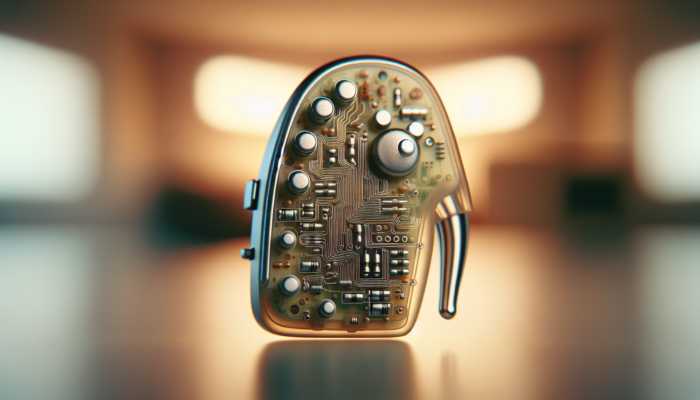
Close-up of analog hearing aid with visible circuitry, set against a quiet room background.

Analog hearing aids operate by directly amplifying sound, making them an essential tool for individuals seeking to enhance their auditory experience. While these devices primarily focus on volume adjustments, they do not significantly improve the clarity of sounds. This straightforward approach can be particularly beneficial for people with mild hearing loss who may not require the advanced features found in modern devices. Having been in use for decades, analog aids offer a reliable solution for those looking to amplify environmental sounds effectively. They provide a uniform amplification of all sounds within a given environment, which can be especially advantageous in quieter settings. Despite their limitations in terms of sound clarity and the management of surrounding noise, their affordability and ease of operation make them a favored option for many users.

Users of analog aids often value the familiar and uncomplicated design of these devices. Many report high levels of satisfaction due to their cost-effectiveness and intuitive usage. However, challenges may arise in more complex auditory environments, such as bustling restaurants or lively social gatherings, where background noise tends to overwhelm the amplified sounds. The absence of sophisticated sound processing capabilities can lead to user frustration and a less than optimal auditory experience, highlighting the importance of recognizing the inherent limitations of analog technology in various listening situations.

Revolutionizing Hearing with Digital Sound Processing

Digital hearing aids have transformed the hearing aid industry by converting sound waves into digital signals. This advanced processing allows for precise adjustments in both clarity and volume, effectively catering to the unique hearing requirements of each user. Utilizing cutting-edge algorithms, digital aids can distinguish between speech sounds and background noise, significantly enhancing the listening experience. This feature proves invaluable in challenging auditory environments, enabling users to engage in conversations without straining to differentiate sounds.

One of the remarkable features of digital hearing aids is their capacity to process sound in real-time. Users can immerse themselves in a rich auditory landscape that is both clear and comfortable. Sophisticated digital models can even analyze their surroundings to automatically adjust settings based on the acoustics of the environment. This level of sophistication is crucial for individuals with moderate to severe hearing loss, allowing them to enjoy a more natural sound quality that enhances social interactions and reduces auditory fatigue.

Evaluating Sound Quality: Analog vs. Digital

When it comes to sound quality, the contrast between analog and digital hearing aids is evident. Digital aids typically deliver superior sound quality along with enhanced noise reduction features. Users of digital devices frequently report a more natural sound experience, with the capability to filter out unwanted noise while concentrating on desired sounds, such as conversations. This selective amplification capability can lead to higher satisfaction levels and improved communication during various social interactions.

In contrast, analog aids amplify all sounds uniformly, which can make it challenging for users to discern speech amidst background noise. For example, an individual using an analog hearing aid in a crowded café may find it difficult to engage in conversation due to the overwhelming sounds of chatter and clattering dishes. The ability of digital aids to selectively amplify specific frequencies allows for clearer distinctions in sound, proving invaluable in everyday interactions. With the continuous evolution of digital technology, sound processing capabilities are advancing, ensuring that users receive the best possible auditory experience.

Exploring Customization Options for Hearing Aids

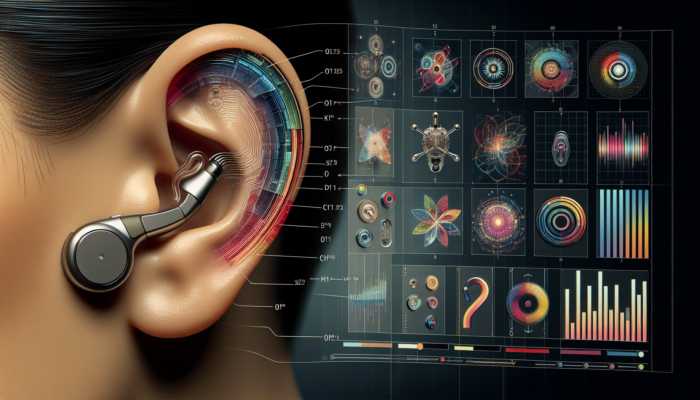
A close-up of an ear with a modern hearing aid, surrounded by colorful design options in a futuristic setting.

Analog Hearing Aids: Limited Customization Features

Customization options for analog hearing aids are relatively minimal. Users generally have the ability to adjust the volume manually, which may address basic hearing needs but lacks the ability for fine-tuning. This simplicity can appeal to users who prefer a straightforward experience without technical complications. However, the absence of customization options can lead to discomfort in varying environments, as users might struggle to adapt their devices to different sound levels and qualities experienced throughout their day.

For individuals with specific patterns of hearing loss, such as high-frequency loss, the inability to customize sound frequencies can be a significant limitation. Analog aids typically lack the advanced programming options that digital aids provide. Users may find themselves adjusting their listening environment rather than their devices, which can diminish their overall experience. Consequently, individuals experiencing more complex hearing challenges may find that exploring digital options offering tailored settings can greatly enhance their listening experience.

Maximizing Personalization with Digital Customization

Digital hearing aids are equipped with extensive customization capabilities, enabling users to create personalized listening preferences that align with their unique hearing profiles. These devices can be programmed with specific settings tailored for various environments, including quiet rooms, bustling streets, or crowded gatherings. Users can access these custom settings through specialized software, providing them the flexibility to adjust their hearing aids to suit their daily activities and specific auditory challenges.

The customization tools available for digital aids significantly enhance user comfort and overall satisfaction. By tailoring the audio experience to meet individual needs, users can enjoy a more natural sound environment that encourages effortless navigation through different auditory challenges. This personalized approach not only facilitates more engaging and fulfilling social interactions but also improves the overall quality of life. Furthermore, many digital aids now feature smartphone connectivity, allowing users to make real-time adjustments, further enhancing their auditory experience.

Enhancing User Experience Through Customization

Person adjusting modern digital hearing aid, surrounded by city street and quiet library, symbolizing customization and control.

The ability to customize digital hearing aids is pivotal in enriching the user experience. Many users report that having the option to adjust settings according to their surroundings leads to increased comfort and satisfaction. This level of personalization empowers users, enabling them to feel more in control of their hearing, which alleviates the stress often associated with navigating various listening environments. The freedom to adapt their hearing aids to suit different scenarios allows users to engage more fully in conversations and activities.

Moreover, the precision offered by digital aids can foster greater confidence in social settings, where hearing challenges are common. Users can participate in discussions without the persistent worry of missing out on critical details. This enhanced comfort not only improves their auditory experience but also positively impacts their overall well-being. The emphasis on personalization serves as a significant advantage of digital hearing aids, contributing to a more enjoyable and fulfilling life for individuals with hearing loss.

Advanced Customization Tools and Software for Hearing Aids

A variety of software tools are available for digital hearing aids, enabling users to make precise adjustments that align with their specific hearing requirements. These tools allow both audiologists and users to program hearing aids based on individual preferences and types of hearing loss. Software enhancements can encompass frequency adjustments, noise reduction settings, and specific amplification levels tailored to the user’s environment, ensuring optimal auditory performance.

Modern digital hearing aids often come equipped with companion apps for smartphones, allowing users to control their devices remotely. They can adjust volume levels or switch between settings with ease through these apps. Such convenience not only simplifies the process of adapting to different environments but also fosters greater engagement with their hearing aids. With the integration of advanced technology, the customization process has become increasingly user-friendly, ensuring that individuals can optimize their hearing experience to meet their lifestyles effectively.

Exploring Technology and Features in Hearing Aids

Understanding Analog Technology in Hearing Aids

Analog hearing aids operate on simpler technological platforms, which, while effective for a broad range of users, often lack the advanced features that are characteristic of modern hearing aids. Their primary function is to amplify sound, rendering them a cost-effective option for individuals experiencing mild to moderate hearing loss. However, this simplicity comes at the cost of additional features that significantly enhance the listening experience, including Bluetooth connectivity and sophisticated sound processing algorithms.

The straightforward nature of analog technology may be appealing for users who favor minimal fuss and ease of use. These devices do not require complex programming or intricate adjustments, which can be a considerable advantage for older individuals or those who prefer a traditional approach to hearing assistance. However, the trade-off is that users may miss out on the benefits provided by more advanced hearing technologies, especially in complex auditory environments. As the demand for feature-rich options increases, many individuals are opting for digital aids to leverage the latest advancements in hearing technology.

Harnessing the Power of Digital Technology in Hearing Aids

Digital hearing aids signify a remarkable progression in auditory technology, featuring advanced functionalities that substantially enhance the user experience. These devices utilize digital signal processing to deliver clearer sound quality, effective noise reduction, and feedback management. Furthermore, numerous digital aids now offer Bluetooth connectivity, enabling users to stream audio directly from their smartphones or other devices, which is particularly beneficial for those who enjoy listening to music or participating in phone calls.

Additionally, the incorporation of directional microphones within digital aids allows users to concentrate on sounds originating from specific directions while minimizing background noise. This feature is especially advantageous in crowded environments, such as busy restaurants or public transport, where distinguishing speech from surrounding noise can be challenging. The continuous evolution of digital hearing aids ensures that users can expect ongoing improvements in features and functionalities, keeping them at the forefront of hearing technology.

Anticipating Future Trends in Hearing Aid Technology

The horizon for hearing aid technology is promising, with digital devices anticipated to evolve further through ongoing research and development efforts. Emerging technologies, including artificial intelligence and machine learning, are set to revolutionize the hearing aid experience, potentially leading to even more personalized listening experiences where devices learn users’ preferences and automatically adjust settings based on their environments.

Moreover, the integration of telehealth services within hearing care represents another exciting trend on the horizon. Remote programming and adjustments can enable audiologists to fine-tune settings from a distance, providing users with enhanced convenience and accessibility. As digital hearing aids continue to adapt to the evolving needs of users, they are likely to become increasingly sophisticated, ensuring that individuals with hearing loss enjoy the best auditory experience possible.

Understanding Maintenance and Durability in Hearing Aids

Maintenance Requirements for Analog Hearing Aids

In terms of maintenance, analog hearing aids typically require less technical upkeep compared to their digital counterparts. Users often find that they need to make occasional volume adjustments, but overall, the simplicity of their technology means there are fewer components to manage. This straightforwardness can be appealing for users seeking a device that is easy to maintain without the necessity for regular software updates.

However, while analog aids may demand less technical maintenance, they often require more frequent adjustments to ensure optimal performance. Users might need to visit audiologists for fine-tuning or repairs, as wear and tear can impact the amplification quality over time. Additionally, the durability of analog aids tends to be lower than that of digital aids, as the technology does not benefit from the more robust materials and design enhancements seen in newer models.

Maintenance Considerations for Digital Hearing Aids

Digital hearing aids, while generally more durable, require regular software updates and maintenance to function optimally. This includes periodic checks and adjustments performed by audiologists to refine settings and ensure the technology operates efficiently. The advanced features of digital devices, such as noise reduction and feedback cancellation, may also necessitate updates to maintain their peak performance.

Despite the need for more frequent technical maintenance, many users find that the benefits of digital aids far outweigh the upkeep demands. Their increased reliability and longevity often make them a worthwhile investment. Furthermore, with proper care and routine check-ups, digital hearing aids can provide users with years of enhanced hearing experiences, proving to be a durable choice for those experiencing hearing loss.

Evaluating the Cost of Hearing Aid Upkeep

The cost of upkeep for hearing aids can vary significantly between analog and digital devices. Analog aids typically have lower initial costs and minimal ongoing expenses, making them an appealing option for budget-conscious individuals. However, the frequent adjustments required may ultimately lead to increased long-term costs, as users will need to make regular visits to audiologists for maintenance and fine-tuning.

Conversely, digital hearing aids generally feature higher initial prices and may involve more considerable ongoing costs due to software updates and potential repairs. Nevertheless, the advanced features and benefits they offer often justify the investment for users facing more complex hearing challenges. When considering the cost of upkeep, individuals must weigh both the financial implications and the overall improvements in quality of life that hearing aids can provide.

Assessing Power and Battery Life in Hearing Aids

Power Consumption in Analog Hearing Aids

Analog hearing aids usually consume less power than digital models, resulting in extended battery life. This energy efficiency can be particularly beneficial for users who prefer minimal hassle associated with frequent battery replacements. The straightforward operation of analog devices means that users can usually rely on them for longer periods before needing to change batteries, enhancing the overall user experience.

However, while the extended battery life is a significant advantage, it is vital to recognize that the sound processing capabilities of analog aids are limited. Users may find themselves sacrificing sound quality and advanced features in favor of longevity. This trade-off emphasizes the importance of understanding personal hearing needs and how they align with available technology choices.

Power Usage in Digital Hearing Aids

Digital hearing aids typically consume more power due to their advanced processing capabilities and features. As a result, users may have to change batteries more frequently compared to analog aids. Although this increased power consumption may be seen as a downside, many digital hearing aids now incorporate rechargeable batteries, providing a convenient solution that eliminates the need for regular battery changes.

The transition towards rechargeable technology not only addresses the power consumption issue but also enhances user convenience. Many users appreciate the ability to charge their hearing aids overnight, ensuring they are ready for the day ahead. Overall, advancements in battery technology are consistently improving the power efficiency of digital devices, helping to alleviate concerns related to battery life.

Innovations in Battery Technology for Hearing Aids

Battery technology is undergoing significant evolution, with improvements expected to benefit both analog and digital hearing aids. New developments in battery efficiency and longevity are set to enhance the overall performance of hearing aids, allowing users to enjoy longer durations of use without the need for frequent replacements. These advancements will cater to the growing demand for more reliable and user-friendly hearing solutions.

Innovations such as lithium-ion batteries are becoming increasingly common in digital aids, offering users greater convenience and efficiency. The trend towards rechargeable options is likely to shape the future of hearing aids, allowing for fewer concerns regarding battery changes and enhancing the overall user experience. As technology continues to advance, the benefits of improved battery technology will play a critical role in defining the next generation of hearing aids.

Accessibility and Affordability of Hearing Aids

The Affordability of Analog Hearing Aids

Analog hearing aids are often more affordable and widely available, making them suitable for individuals with basic hearing needs. Their lower price point makes them an attractive option for those who may not have the financial resources to invest in more technologically advanced devices. This accessibility allows individuals from various economic backgrounds to obtain the hearing assistance they need without incurring significant expenses.

However, while analog aids serve as a budget-friendly solution, their limited features may not adequately meet the needs of users with more complex hearing loss. Individuals requiring advanced functionality may ultimately benefit from investing in digital aids, despite the higher initial costs. The affordability of analog devices underscores the importance of evaluating personal hearing needs against long-term benefits versus upfront expenses.

Digital Hearing Aids: Accessibility and Investment

While digital hearing aids typically come with a higher price tag, they offer advanced features that are crucial for managing complex hearing loss. Their ability to deliver superior sound quality, effective noise reduction, and extensive customization options can significantly enhance the lives of users with moderate to severe hearing challenges. Investing in digital aids can lead to improved social interactions and overall quality of life for many individuals.

Despite their higher costs, numerous manufacturers and organizations provide financing options and assistance programs to facilitate access to the technology individuals need. Additionally, as technology continues to evolve, the prices of digital aids may decrease, making them more accessible to a broader population. This shift toward affordability in digital hearing aids is essential for ensuring that everyone has the opportunity to experience enhanced hearing capabilities.

Financial Considerations When Choosing Hearing Aids

Deciding between analog and digital hearing aids often depends on budget considerations and the severity of hearing loss. Individuals with mild hearing loss may find analog aids sufficient for their needs, while those facing more complex challenges might benefit significantly from the advanced features offered by digital aids, justifying the higher investment. Users must carefully assess their financial situations in relation to their hearing requirements to make an informed choice.

Additionally, it is crucial to consider the ongoing costs associated with hearing aids, such as maintenance, battery replacements, and necessary adjustments. While analog aids may have lower upfront costs, the cumulative ongoing expenses can add up over time. Ultimately, the decision between analog and digital aids should take into account both immediate financial implications and long-term quality of life improvements to ensure the best auditory experience possible.

User Feedback and Satisfaction with Hearing Aids

Insights from Analog Hearing Aid Users

Users of analog hearing aids frequently express satisfaction stemming from the simplicity and cost-effectiveness of these devices. Many appreciate the straightforward operation that does not require technical knowledge or complicated settings. For individuals who prefer a no-frills approach to hearing assistance, analog aids provide a familiar and effective solution that meets their basic needs.

However, feedback from users also highlights several limitations. Many individuals experience frustration in noisy environments where background noise can interfere with their ability to hear conversations clearly. While analog aids serve well for basic amplification, those who require more sophisticated sound management may find themselves leaning toward digital options as their hearing needs evolve. This dichotomy emphasizes the significance of individual assessment in selecting the most appropriate hearing aids.

Experiences of Digital Hearing Aid Users

Users of digital hearing aids often express appreciation for the advanced features and extensive customization options available to them. The ability to adjust settings according to specific listening environments greatly enhances user satisfaction. Many individuals report feeling more confident in social situations, where clear communication is crucial, thanks to the superior sound quality and effective noise reduction capabilities of digital aids.

Feedback from users also highlights the learning curve associated with digital devices. Some may initially feel overwhelmed by the technology; however, they often discover that the benefits far outweigh the initial challenges. The overall trend indicates an increase in satisfaction with digital aids as users become more accustomed to their features and functionalities. This growing trend reflects a broader recognition of the importance of tailored hearing solutions in enhancing quality of life.

Trends in Overall Satisfaction with Hearing Aids

There is a noticeable shift towards digital hearing aids, driven by their enhanced capabilities and user satisfaction. As more individuals become aware of the advantages of advanced technology, they are increasingly opting for digital solutions. This trend is not solely due to superior sound quality and customization options but also reflects the improved functionality that digital aids offer in various listening environments.

Furthermore, the ongoing evolution of digital technology, including the integration of artificial intelligence and telehealth services, continues to positively shape user experiences. As individuals explore the benefits of digital aids, many report significant improvements in their overall hearing satisfaction, emphasizing the importance of staying updated with technological advancements.

Comparative Feedback on Analog and Digital Hearing Aids

Users frequently compare the reliability and ease of use of analog aids with the technological advantages and learning curve associated with digital aids. Many appreciate the straightforward nature of analog technology, particularly for addressing basic hearing needs. However, as users’ hearing challenges become more pronounced, they may find themselves drawn to digital aids for their comprehensive features and adaptability.

The feedback illustrates an ongoing dialogue between simplicity and advanced functionality. While analog aids remain a viable option for some, digital aids are increasingly favored for their ability to offer tailored solutions that cater to complex hearing requirements. This ongoing evolution in user preferences underscores the importance of understanding the diverse needs of individuals with hearing loss.

Frequently Asked Questions About Hearing Aids

What distinguishes analog hearing aids from digital ones?

The primary distinction lies in sound processing: analog aids amplify sound directly, while digital aids convert sound into digital signals for precise adjustments in clarity and volume.

Which hearing aid type excels in handling background noise?

Digital hearing aids are generally superior for managing background noise due to their advanced sound processing capabilities, which allow users to focus on specific sounds.

Are analog hearing aids more affordable than digital models?

Yes, analog hearing aids tend to be less expensive upfront, but they may lack advanced features and require more frequent adjustments, impacting long-term costs.

How frequently should I change the batteries in my hearing aids?

The frequency of battery changes varies; analog aids typically have longer battery life, while digital aids may require more frequent changes due to their power consumption.

Can I customize my digital hearing aids to suit my needs?

Absolutely, digital hearing aids offer extensive customization options, allowing users to program settings based on their specific listening environments and preferences.

What features can I expect from digital hearing aids?

Digital hearing aids often include features such as Bluetooth connectivity, directional microphones, and advanced noise reduction capabilities that enhance user experience.

Is a prescription necessary for obtaining hearing aids?

Yes, a prescription or consultation with an audiologist is typically recommended to determine the most suitable hearing aid for your specific needs.

How long do hearing aids usually last?

On average, hearing aids can last about 3 to 5 years, but this lifespan can vary depending on the type of device and how well it is maintained.

Are rechargeable hearing aids a worthwhile investment?

Yes, rechargeable hearing aids can provide convenience by eliminating the need for frequent battery changes, making them a popular choice among users.

What steps can I take to enhance my hearing aid experience?

Regular maintenance, proper fitting, and utilizing customization options can significantly improve your overall hearing aid experience.

Discover our journey on X!

The post Analog vs. Digital Hearing Aids: Key Differences Explained appeared first on The Microsuction Ear Wax Removal Network.

Categories
Science & Technology System Performance

Hardware Integration’s Impact on System Performance: Fusing Worlds

In the current climate of rapidly advancing technology, the integration of hardware components has become indispensable for enhancing system performance. The amalgamation of both physical and virtual elements not only facilitates seamless operation but also unlocks a multitude of advantages for businesses and individuals alike. This article explores the significance of hardware integration and its profound impact on system performance, while elucidating the various benefits it provides.

Understanding the Concept of Hardware Integration for Optimal Performance

Hardware integration refers to the intricate process of amalgamating various physical components, including processors, memory modules, storage devices, and peripherals, into a seamlessly functioning system. This method involves the harmonious incorporation of hardware elements to work together efficiently, thereby enabling optimal performance and resource efficiency. Such integration can occur at multiple levels, ranging from individual computer systems to the hardware within specific devices or complex machines.

The essence of hardware integration lies in its ability to unify disparate components of a system, allowing them to communicate and interact effectively. By synergising processors, memory modules, storage devices, and peripherals, businesses can establish a cohesive system that operates with remarkable efficiency and maximises performance. This level of integration ensures that each hardware component collaborates seamlessly, effectively eliminating potential bottlenecks or inefficiencies that could impede system operations.

Maximising System Performance through Effective Hardware Integration

A modern server room with glowing, integrated hardware optimizing system resources and boosting productivity.
  1. Optimising Efficiency for Enhanced Performance: By integrating hardware components, businesses can achieve efficient utilisation of system resources. This process involves optimising the hardware configuration, which streamlines operations, reduces bottlenecks, and ultimately leads to improved overall efficiency.

When hardware components are successfully integrated, they work together efficiently, thereby maximising the utilisation of system resources. By optimising the hardware configuration, businesses can identify and eliminate redundant components or processes that might otherwise slow down system operations. This effective use of resources not only enhances overall system performance but also boosts productivity across various functions.

  1. Boosting Scalability for Future Growth: The integration of hardware provides the necessary flexibility to scale the system’s capabilities up or down in alignment with the evolving needs of the business. This adaptability ensures that the system can manage increased workload demands without sacrificing performance.

Scalability is a crucial component of system performance, particularly in today’s fast-paced business landscape. Hardware integration empowers businesses to effortlessly adjust their systems as demands evolve. Whether it involves adding more processors, increasing memory capacity, or expanding storage capabilities, this integration provides the necessary flexibility to accommodate growing operational workloads without compromising on performance.

  1. Minimising Latency for Faster Operations: The integration of hardware components significantly reduces latency, enabling quicker data processing and real-time interactions. This reduction is particularly critical in applications such as online gaming, cloud computing, and financial trading, where milliseconds can make a significant difference.

Latency refers to the delays experienced in data processing or transmission. In applications demanding real-time interactions or rapid data processing, minimising latency is essential. Through effective hardware integration, system components can be optimised to reduce delays, thereby ensuring swifter data processing. This is especially relevant in sectors such as online gaming, where even the slightest delay can detract from the user experience.

  1. Enhancing Reliability through Redundant Systems: Hardware integration facilitates the establishment of redundant systems, guaranteeing that the failure of one component does not result in complete system failure. This high degree of reliability minimises downtime and ensures uninterrupted operation.

Reliability is of paramount importance for any system, as unexpected downtime can lead to significant financial losses and tarnish an organisation’s reputation. Hardware integration enables the creation of redundant systems, where backup components can seamlessly take over in the event of a failure. By implementing duplicate hardware elements, businesses can ensure continuous operation and significantly mitigate the effects of potential failures.

  1. Strengthening Security with Integrated Systems: Integrated hardware systems can offer enhanced security features, such as hardware-level encryption and secure boot processes. These features provide an additional layer of protection for sensitive data, significantly reducing the risk of unauthorised access and cyber threats.

Security remains a top concern for businesses regarding their systems and sensitive data. Hardware integration enhances security measures by incorporating features like hardware-level encryption, secure boot processes, and built-in security protocols. These safeguards add an extra layer of defence to protect sensitive data, making it increasingly difficult for unauthorised individuals to gain access or launch malicious attacks.

Essential Considerations for Effective Hardware Integration

To fully leverage the potential of hardware integration and achieve optimal system performance, several key considerations must be taken into account:

1. Ensuring Compatibility and Interoperability Among Components

When integrating hardware components, it is imperative to verify compatibility and interoperability among various elements. Mismatched components or incompatible interfaces can hinder performance and lead to system malfunctions. Conducting comprehensive compatibility testing and adhering to industry standards is essential to mitigate such issues.

Compatibility and interoperability are critical factors to consider during the hardware integration process. It is vital to confirm that the various hardware components can function together seamlessly. Conducting thorough compatibility testing and adhering to established industry standards can significantly reduce the risk of encountering issues arising from incompatible components or interfaces.

2. Efficient Resource Allocation for Balanced Performance

A futuristic control room with a holographic display showing dynamic resource allocation across a network for balanced performance.

Effective resource allocation is fundamental to achieving optimal system performance. By thoroughly analysing workload requirements and distributing resources accordingly, businesses can avert resource bottlenecks and guarantee balanced utilisation across the system.

Resource allocation is a pivotal aspect influencing system performance. By carefully analysing workload demands, businesses can establish optimal resource distribution for elements such as CPU, memory, and storage. This ensures that each component receives the necessary resources, preventing bottlenecks and promoting balanced resource utilisation throughout the entire system.

3. Future-Proofing Hardware Integrations for Long-Term Success

In a swiftly changing technological landscape, it is crucial to consider future needs when integrating hardware components. Choosing flexible and upgradable hardware solutions allows businesses to stay abreast of emerging technologies and maintain compatibility with future advancements.

Future-proofing is essential to avoid the need for frequent hardware upgrades. When integrating hardware components, businesses should contemplate potential future advancements and shifts in technology. Opting for flexible and upgradable hardware solutions enables organisations to adapt to new technologies without necessitating a complete system overhaul.

4. Importance of Maintenance and Support for Integrated Systems

Regular maintenance and timely support are vital for sustaining the performance of integrated hardware systems. Ensuring access to reliable technical support and implementing a well-structured maintenance plan can help businesses address any arising issues promptly, thereby minimising downtime.

<pConsistent maintenance and prompt support are crucial for the smooth operation of integrated hardware systems. Establishing a comprehensive maintenance plan and having access to dependable technical support can enable businesses to deal with hardware issues swiftly. This proactive approach to maintenance minimises downtime and ensures that the system operates at peak performance levels.

Exploring Real-World Applications of Hardware Integration Across Industries

A futuristic factory showcasing integrated hardware systems in automotive, healthcare, and aerospace industries.

The influence of hardware integration is evident across diverse industries and sectors. Below are a few noteworthy examples:

1. Revolutionising the Internet of Things (IoT)

In IoT applications, hardware integration is crucial for establishing connections between physical devices and facilitating seamless communication with the virtual realm. Integrated hardware systems enable efficient data collection, processing, and real-time monitoring, which are essential for advancing smart city initiatives, industrial automation, and home automation.

In the realm of IoT applications, hardware integration is vital for linking physical devices and enabling communication with the digital world. Integrated hardware systems effectively collect data from various sensors, process it efficiently, and facilitate real-time monitoring. This functionality plays a significant role in numerous sectors, including the development of smart city initiatives, industrial automation, and home automation solutions.

2. Empowering Cloud Computing Solutions

Cloud computing heavily relies on hardware integration to deliver computing resources and services to users over the internet. Integrated server systems, networking components, and storage devices collaborate effectively to ensure smooth data processing, storage, and retrieval, allowing businesses to scale their operations and meet growing demands.

Hardware integration forms the backbone of cloud computing, enabling the delivery of computing resources and services over the internet. Integrated server systems, networking components, and storage devices work cohesively to guarantee efficient data processing, storage, and retrieval. This level of integration empowers businesses to scale their operations effectively, adapting to the increasing demands of cloud computing.

3. Enhancing Experiences in Virtual Reality (VR) and Augmented Reality (AR)

The immersive experiences provided by VR and AR applications depend significantly on high-performance hardware integration. Integrated graphics processing units (GPUs), sensors, and display devices collaborate to deliver realistic visuals and seamless interactivity, enriching user experiences in gaming, training, and simulation environments.

Hardware integration is fundamental for creating immersive experiences in VR and AR applications. The synergy between integrated graphics processing units (GPUs), sensors, and display devices is essential for providing realistic visuals and smooth interactivity. This level of integration dramatically enhances user experiences across various fields, including gaming, training, and simulation applications.

Harnessing the Power of Hardware Integration for Enhanced System Performance

The integration of hardware components is pivotal in shaping system performance, enabling businesses and individuals to fully leverage the advantages of a seamless blend of physical and virtual elements. By optimising resource allocation, enhancing efficiency, and bolstering reliability, integrated hardware systems facilitate improved scalability, reduced latency, and heightened security. However, ensuring compatibility, anticipating future requirements, and establishing robust maintenance plans are critical to unlocking the complete potential of hardware integration. Embracing this transformative approach to system architecture opens new avenues for innovation while harnessing the true power of technology.

1. Defining Hardware Integration: What Does It Entail?

Hardware integration involves the systematic process of merging various physical components, including processors, memory modules, storage devices, and peripherals, into a cohesive system. This method ensures that hardware elements work together harmoniously, facilitating optimal performance and efficiency.

2. Ways in Which Hardware Integration Enhances System Performance

Hardware integration enhances system performance in numerous ways:

  • Optimised Efficiency: The integration of hardware components allows for the effective utilisation of system resources, streamlining operations and minimising bottlenecks.
  • Scalability: Hardware integration provides the flexibility to adjust the system’s capabilities according to the evolving needs of the business, without compromising performance.
  • Reduced Latency: The integration of hardware components can significantly lower latency, enabling faster data processing and real-time interactions.
  • Improved Reliability: Hardware integration facilitates the establishment of redundant systems, ensuring uninterrupted operation even in the event of component failure.

3. Key Factors to Consider for Successful Hardware Integration

To achieve maximum system performance through hardware integration, it is important to consider the following:

  • Compatibility and Interoperability: Ensuring that different hardware components are compatible and can work seamlessly together.
  • Optimal Resource Allocation: Analysing workload requirements and allocating resources effectively to prevent bottlenecks and ensure balanced utilisation.
  • Future-Proofing: Considering future requirements and opting for flexible and upgradable hardware solutions to adapt to emerging technologies.
  • Maintenance and Support: Establishing a comprehensive maintenance plan and ensuring access to dependable technical support for prompt issue resolution.

4. Practical Applications of Hardware Integration Across Various Industries

Hardware integration is widely utilised in multiple sectors, including:

  • Internet of Things (IoT): Facilitating seamless communication between physical devices and the virtual world for smart city initiatives, industrial automation, and home automation.
  • Cloud Computing: Delivering computing resources and services over the internet through integrated server systems, networking components, and storage devices.
  • Virtual Reality (VR) and Augmented Reality (AR): Creating immersive experiences through integrated graphics processing units (GPUs), sensors, and display devices in gaming, training, and simulation environments.

Originally posted 2023-04-13 01:06:36.

Categories
Assistive Devices Science & Technology

Hearing Loss Tech: Innovations Shaping the Future

Last Updated on 16/04/2025 by Admin

Transformative Innovations Shaping the Future of Hearing Loss Technology

Recent technological advancements are revolutionizing the way we approach <a href="https://www.earwaxremoval.net/hearing-loss-a-global-concern-that-demands-attention/">hearing loss</a>. The remarkable evolution of hearing aids serves as a testament to our progress and a glimpse into the future. The next generation of hearing loss technology transcends mere amplification; it focuses on crafting a seamless auditory experience that integrates effortlessly into the daily lives of users across the globe, enhancing their overall quality of life.

Compact Design and Enhanced Comfort in Hearing Devices

Sleek, nearly invisible hearing aids resembling modern wireless earbuds, enhancing comfort and appeal.

Visualize a scenario where hearing aids are as discreet and comfortable as modern wireless earbuds. The latest strides in miniaturization have yielded devices that are nearly invisible, significantly enhancing the user experience. Gone are the days when bulky devices deterred individuals from seeking assistance; today’s models are sleek, stylish, and ergonomically designed to contour perfectly to the ear, enhancing their appeal to a wider demographic, particularly younger users who may have previously avoided such technology.

The focus on comfort is paramount. When hearing aids feel lightweight and unobtrusive, users are more inclined to wear them consistently, leading to improved outcomes in hearing health. Manufacturers are utilizing advanced materials that not only boost comfort but also facilitate extended wear, enabling individuals to participate in social interactions without feeling self-conscious about their devices. This shift towards comfort and usability is essential for encouraging adherence to hearing loss treatment.

Moreover, comfort goes beyond just the physical fit of the device; it encompasses intuitive user interfaces that simplify operation. Many of the latest models incorporate touch controls and voice commands, allowing users to make adjustments without the hassle of buttons. As these innovations progress, we can expect even more customized options that cater to individual preferences, fundamentally transforming the experience for those who depend on hearing aids for everyday communication.

Revolutionary Digital Signal Processing Technologies

At the core of contemporary hearing aids lies cutting-edge digital signal processing (DSP) technology. This groundbreaking innovation enhances sound quality while significantly minimizing background noise, enabling users to focus on the sounds that matter most. In noisy environments, such as crowded streets or bustling restaurants, users can engage in clear conversations without the usual distractions that have historically accompanied hearing aids.

Advanced algorithms are now capable of real-time sound analysis, effectively distinguishing between various voice frequencies and ambient noise levels. This capability allows users to experience a highly tailored listening experience, making the future of hearing loss technology incredibly adaptable. For example, some devices automatically modify their settings based on the surrounding environment, ensuring optimal hearing conditions in any situation.

Furthermore, DSP technology is also advancing features like directional microphones that focus on sounds coming from a specific direction while reducing unwanted noise from other areas. This represents a monumental shift for individuals in professional settings or social gatherings where clarity is crucial. As these technologies continue to evolve, we can anticipate substantial advancements in sound comprehension, leading to more immersive and natural listening experiences.

Enhanced Connectivity and Integration with Smart Devices

The digital revolution has ushered in an era of unparalleled connectivity, and the future of hearing loss technology aligns perfectly with this trend. Modern hearing aids are now designed for seamless integration with smartphones and other smart devices, transforming user control and accessibility. Imagine adjusting your hearing aid settings directly from your smartphone or receiving notifications directly into your device—this is now a reality.

At the forefront of this connectivity evolution is Bluetooth technology, which enables users to stream music, phone calls, and other audio directly into their hearing aids. This significantly enhances the listening experience, making everyday activities such as phone conversations or enjoying music much more enjoyable. The convenience factor is substantial, as users can manage their hearing aids effortlessly through intuitive applications with just a few taps.

Moreover, this integration extends beyond audio streaming. Smart hearing aids can synchronize with health applications to monitor changes in hearing health over time, providing invaluable insights. This data can assist audiologists during consultations, ensuring users receive personalized care and necessary adjustments for their devices. In the future, anticipate even more innovative applications that blend hearing technology with broader aspects of personal health management.

Innovative Wearable Technologies for Hearing Assistance

Futuristic wearable tech like smart glasses and earrings enhancing hearing in a vibrant urban setting.

The rise of wearable technology is not merely a trend; it represents a transformative movement that redefines how we manage and perceive hearing loss. The future of hearing loss technology increasingly emphasizes the integration of hearing assistance into everyday wearables, making these solutions discreet and accessible for everyone.

Integration of Hearing Assistance in Smart Glasses and Earbuds

The incorporation of hearing assistance into smart glasses and earbuds marks a groundbreaking advancement towards discreet solutions for hearing loss. This innovative technology utilizes the capabilities of existing devices to provide auditory support while users navigate their daily routines. Envision a pair of stylish smart glasses that not only enhance your vision but also enrich your hearing experience, facilitating effortless conversations.

Companies are actively developing earbuds equipped with advanced sound processing capabilities. These devices can automatically adjust to different environments, offering users the appropriate level of amplification and sound clarity needed for various settings. Whether attending a concert or sitting in a quiet café, these earbuds can intelligently adapt, enhancing the user’s auditory experience without drawing attention to their hearing assistance.

Additionally, the potential for cross-functionality is enormous. For instance, users could access real-time translation services through their earbuds, bridging language barriers in multicultural environments. This integration of hearing technology into everyday wearables not only enhances their appeal but fundamentally alters societal perceptions of hearing loss.

Innovative Bone Conduction Devices

Bone conduction technology presents an innovative solution for individuals experiencing specific types of hearing loss. By transmitting sound through vibrations in the bones of the skull, these devices bypass the outer and middle ear to directly stimulate the inner ear. This approach is particularly advantageous for those unable to use conventional hearing aids due to ear canal obstructions or chronic ear infections.

The design of bone conduction devices has evolved significantly, leading to sleek, comfortable wearables that can be utilized in numerous settings, from active lifestyles to social gatherings. Users can enjoy clear sound without the discomfort or stigma typically associated with traditional hearing aids. Additionally, many of these devices are waterproof, making them ideal for individuals engaged in active pursuits or water sports.

As ongoing research continues, we can anticipate further advancements that will enhance the effectiveness and accessibility of bone conduction technology, potentially offering solutions for a larger demographic. The future holds exciting possibilities for individuals with hearing challenges, enabling them to maintain active and engaged lifestyles free from the constraints of traditional hearing aids.

Advanced Health Monitoring Features

Sleek wearable hearing device displaying sound exposure levels and health alerts in urban setting.

The incorporation of health monitoring features into wearable hearing devices represents a significant leap forward in personal health management. These innovative devices not only assist with hearing but also track auditory health, providing users with valuable insights into their hearing conditions. Imagine a device that alerts you to changes in your hearing ability or offers feedback on your ear health.

These wearables can monitor sound exposure levels, advising users to take precautionary measures in environments that may cause hearing damage. For instance, if a user is subjected to excessive noise levels, the device can suggest taking breaks or utilizing hearing protection. This proactive approach empowers users to take charge of their hearing health actively.

Moreover, as the data collected through these devices becomes increasingly sophisticated, it can be shared with healthcare professionals for ongoing monitoring and personalized adjustments. This development underscores the importance of holistic health management, where hearing health is seamlessly integrated into overall wellness, paving the way for healthier living globally.

Innovations in Cochlear Implants and Beyond

Cochlear implants have emerged as a groundbreaking solution for individuals suffering from severe hearing loss, and ongoing advancements promise to enhance their effectiveness even further. The future of hearing loss technology is incredibly bright, with exciting innovations in implant technology and research paving the way for enriched auditory experiences.

Next-Generation Cochlear Implants

Next-generation cochlear implants are revolutionizing auditory perception with enhanced electrode designs and sophisticated signal processing capabilities. The latest models are engineered to optimize sound clarity while minimizing distortion, delivering users a more natural listening experience. These advancements are particularly crucial for individuals reliant on cochlear implants as their primary means of hearing.

Research into electrode configuration has yielded designs that more accurately mimic the natural structure of the cochlea, enabling more precise stimulation of auditory nerves. This results in clearer sound differentiation, especially in complex listening environments, such as crowded rooms or outdoor settings. These improvements significantly enhance user experience, making cochlear implants a more attractive option for both children and adults.

Moreover, the future holds the promise of wireless connectivity and integration with smart devices, allowing users to control their cochlear implants via mobile applications. This level of personalization offers unprecedented flexibility and user empowerment, enabling individuals to tailor their auditory experiences to their specific preferences and environments.

Auditory Brainstem Implants as a Viable Alternative

While cochlear implants have transformed hearing for many, they are not suitable for everyone. For individuals with auditory nerve damage, auditory brainstem implants (ABIs) provide an alternative solution by bypassing damaged pathways. These implants directly stimulate the brainstem, delivering sound information to the auditory centers of the brain, which can restore some degree of hearing.

Ongoing research is focused on enhancing ABI technology, including refining surgical techniques and device designs to improve sound quality. As technology advances, we can expect more effective ABIs to offer better sound clarity and a richer listening experience for users. This innovation signifies a significant leap in assistive technology, offering hope to those who have not been able to benefit from conventional hearing aids or cochlear implants.

The potential benefits of ABIs extend beyond hearing recovery; they also hold promise for improving the overall quality of life. As individuals regain auditory function, they may experience increased social engagement, enhanced mental health, and improved overall well-being. This underscores the necessity for ongoing research and development in the field of auditory implants.

Exploring Research into Auditory Regeneration

The pursuit of regenerating damaged auditory nerves and hair cells represents a frontier in hearing technology research that could fundamentally transform the treatment landscape for hearing loss. Scientists are investigating various approaches, such as gene therapy and stem cell research, to discover solutions that could restore natural hearing capabilities.

Recent studies have demonstrated promising results in regenerating hair cells in animal models, indicating the potential for similar breakthroughs in humans. If successful, such advancements could lead to treatments that not only prevent hearing loss but also reverse it, offering hope to millions globally.

This research is not solely about restoring hearing; it’s about transforming lives. Imagine a world where individuals born with hearing loss can enjoy the same auditory experiences as their peers. The implications of such advancements extend beyond technology—they could foster greater inclusivity and understanding in society, dismantling barriers associated with hearing loss.

As we look ahead, ongoing research into regeneration signifies a paradigm shift in how we approach hearing challenges. The potential for breakthroughs in this arena is substantial, offering a hopeful vision for the future of hearing health.

Harnessing Artificial Intelligence in Hearing Solutions

Artificial intelligence (AI) is making significant strides across various sectors, and the realm of hearing technology is no exception. The future of hearing loss technology is increasingly characterized by AI applications that enhance user experience and accessibility in remarkable ways, signaling the dawn of a new era in auditory solutions.

Customizing Sound Profiles with AI Technology

AI-driven technology is transforming how hearing aids are calibrated to meet individual user needs. By analyzing user preferences and hearing profiles, AI algorithms can create personalized sound profiles that adapt in real-time to the user’s environment. This means that whether you’re in a quiet library or a lively café, your hearing aid can automatically adjust to provide optimal sound clarity and comfort.

This personalized approach extends to various listening situations. For example, if a user frequently attends concerts, the AI can learn to prioritize music frequencies, enriching the auditory experience without compromising clarity in other contexts. This adaptability is vital for enhancing the quality of life for individuals with hearing loss, allowing them to engage fully in diverse auditory environments.

Moreover, the integration of AI into hearing aids can significantly enhance user experience through continuous learning. The more a user interacts with their device, the better it understands their preferences. This creates a feedback loop where the technology evolves alongside the user’s needs, ensuring a tailored experience that feels intuitive and seamless.

Real-Time Language Translation Capabilities

In our increasingly interconnected world, cross-linguistic communication is essential. AI applications in the future of hearing loss technology are simplifying understanding different languages through real-time audio processing. Imagine attending a multilingual event and effortlessly following conversations in multiple languages without missing a moment.

These AI-driven translation features function by analyzing spoken language and converting it into real-time translations that are transmitted straight to the user’s hearing aid. This technology fosters inclusivity and enriches educational and cultural experiences for users from diverse backgrounds. For instance, students in international classrooms can fully engage, breaking down barriers that once hindered communication.

As this technology advances, we can expect even greater accuracy and fluency in translations, further enhancing the user experience. Such capabilities could be transformative for travelers and expatriates, enabling them to immerse themselves in new cultures and communities without the anxiety of language barriers.

Predictive Maintenance for Enhanced Device Reliability

In a world where technology can be unpredictable, AI is stepping up to provide predictive maintenance for hearing devices. This innovation is essential for ensuring that devices operate optimally and that users experience minimal disruptions in their daily lives.

AI-driven systems can continuously monitor the performance of hearing aids, predicting potential malfunctions before they occur. By analyzing data from sensors within the device, the system can alert users to issues such as battery life or software updates, allowing for proactive maintenance. This not only enhances user satisfaction but also minimizes the likelihood of device failure during critical moments.

Furthermore, predictive maintenance extends beyond mere alerts. It can streamline the user experience by automating routine maintenance tasks, such as cleaning schedules or adjustments based on usage patterns. This level of foresight empowers users to stay ahead of potential issues, ensuring that their hearing aids remain reliable companions in their auditory journey.

As AI technology continues to progress, the future promises even more sophisticated predictive capabilities, enabling users to focus on what truly matters—enjoying life to the fullest without the constant worry of device malfunctions.

Telehealth Innovations in Hearing Care

The emergence of telehealth has significantly altered the healthcare landscape, and hearing care is no exception. The future of hearing loss technology is intricately linked to the growth of remote support and virtual audiology services, making hearing healthcare more accessible than ever before.

Remote Audiology Services Breaking Barriers

Virtual audiology services are dismantling traditional barriers to hearing care. Users can now access remote assessments and consultations, ensuring that hearing health remains a priority regardless of geographical constraints. This is especially beneficial for individuals residing in remote areas or those facing mobility challenges.

Through telehealth platforms, audiologists can carry out comprehensive assessments using advanced technology, facilitating accurate diagnoses and effective treatment plans without necessitating in-person visits. The convenience of virtual consultations allows users to receive timely care, reducing the risk of their hearing loss deteriorating due to delays in treatment.

Furthermore, the implementation of remote audiology services encourages continuous engagement between healthcare providers and users. Regular follow-ups and check-ins can be conveniently scheduled, ensuring that individuals receive ongoing support throughout their hearing journey.

Online Hearing Aid Fitting for Streamlined Adjustments

Traditionally, fitting hearing aids required multiple in-person appointments, but telehealth is reshaping this process. Online hearing aid fitting has become a viable option, enabling users to adjust and fine-tune their devices from the comfort of their homes.

Utilizing remote fitting technologies, audiologists can guide users through the adjustment process via video calls. This not only saves time but also enhances the user experience by providing immediate feedback and support. Users can witness real-time adjustments to their devices and comprehend how different settings affect their hearing.

As technology continues to evolve, anticipate even more sophisticated online fitting processes that incorporate machine learning algorithms to refine settings based on user feedback. This level of personalization and convenience is revolutionizing how individuals manage their hearing loss, making it easier and more efficient than ever.

Ongoing Monitoring and Support via Telehealth

The future of hearing loss technology involves continuous monitoring of hearing health and device performance through telehealth solutions. Wearable technology can provide real-time data, enabling both users and healthcare providers to track changes in hearing ability over time.

This continuous monitoring facilitates early detection of potential issues, ensuring that users receive timely interventions. For instance, if a user’s hearing ability declines, their audiologist can swiftly recommend adjustments to their hearing aids or suggest additional interventions. This proactive approach is crucial for maintaining optimal hearing health.

Moreover, ongoing support through telehealth platforms allows users to connect with audiologists whenever necessary. Whether they have inquiries about device settings or require advice on managing their hearing loss, users can easily access expert guidance. This level of support fosters a sense of empowerment, encouraging individuals to take an active role in their hearing care.

Professional Training in Telehealth for Audiologists

As telehealth becomes a standard practice in hearing care, training programs for audiologists and healthcare providers are essential. These programs equip professionals with the skills necessary to effectively utilize telehealth tools and deliver high-quality care remotely.

Training emphasizes best practices for virtual consultations, remote assessments, and online fitting procedures. Audiologists learn to leverage technology to enhance patient engagement, ensuring that users feel supported even from a distance. This focus on telehealth training signifies a shift in how hearing care is delivered, fostering a more responsive and adaptable healthcare system.

As the telehealth model continues to gain traction, we can expect an increasing number of professionals trained in these methodologies, ensuring that users receive the best possible care regardless of their location.

Advancements in Accessibility and Inclusivity in Hearing Technology

Accessibility and inclusivity are central to the future of hearing loss technology. As advancements continue, it is vital to prioritize creating solutions that cater to a diverse range of users, ensuring that everyone has access to the tools necessary for thriving in their daily lives.

Affordable Hearing Solutions for All

The development of cost-effective hearing technologies is crucial for expanding access to hearing care. The high cost of traditional hearing aids has historically posed a barrier for many individuals, especially those in low-income communities or developing regions.

Innovative solutions are emerging to tackle this challenge, including subscription models and financing options that make hearing aids more affordable. Additionally, companies are prioritizing the creation of budget-friendly devices that do not compromise on quality or functionality. These affordable solutions empower a wider audience to seek assistance for their hearing loss, promoting inclusivity in hearing healthcare.

Moreover, public-private partnerships and initiatives are working to provide hearing aids to those in need, further enhancing accessibility. Community programs and outreach efforts aim to educate individuals about their options, ensuring that everyone can benefit from the technological advancements in hearing.

Principles of Inclusive Design in Hearing Technology

Inclusivity in design is essential for creating hearing technologies that address the diverse needs of users. The future of hearing loss technology is centered on developing devices that consider varying levels of hearing loss, cultural differences, and user preferences.

Companies are increasingly adopting inclusive design principles, involving users in the development phase to gain valuable insights into their experiences and challenges. This collaborative approach ensures that technologies are user-friendly and cater to a wide array of lifestyles.

Furthermore, the emphasis on aesthetic appeal is critical. Many users prefer devices that blend seamlessly with their personal style rather than drawing attention to their hearing loss. By prioritizing inclusive design, manufacturers can create devices that empower individuals to feel confident while receiving the support they need.

Raising Awareness through Public Campaigns

Educating the public about hearing health and the benefits of early intervention is vital for diminishing stigma and promoting awareness. Public campaigns can play a significant role in encouraging individuals to seek assistance for hearing loss, emphasizing that it is never too late to address auditory challenges.

These campaigns can take various forms, from social media initiatives to community workshops, fostering conversations about hearing health. By highlighting the importance of regular hearing check-ups and the latest advancements in hearing technology, awareness campaigns can shift public perception and encourage individuals to prioritize their auditory health.

Moreover, collaboration with healthcare professionals and organizations can amplify the reach and impact of these campaigns. By working together, stakeholders can create a comprehensive approach to promoting hearing health, ultimately benefiting individuals and communities worldwide.

Creating Environments that Support Better Hearing

Innovations in hearing technology extend beyond devices; they encompass environmental adaptations that enhance auditory experiences. The future of hearing loss technology involves crafting environments that foster better hearing for users across various settings.

Advanced Noise Reduction Technologies

Noise reduction technologies are vital for improving hearing in challenging environments. Innovations in sound engineering focus on minimizing background noise, allowing users to concentrate on conversations or important sounds without distractions.

These technologies utilize sophisticated algorithms to filter out unwanted sounds, ensuring that users can enjoy clear, crisp audio. For example, in crowded public spaces or on public transportation, noise-canceling features can create a more pleasant listening environment, significantly improving the overall user experience.

Additionally, manufacturers are exploring the integration of noise reduction technologies into everyday products, such as public announcement systems and communal spaces. By prioritizing sound quality in various environments, we can create more inclusive spaces for individuals with hearing loss.

Effective Sound Enhancement Systems

Sound enhancement systems are invaluable tools for improving hearing in public spaces like theaters, lecture halls, and places of worship. These systems amplify sound and deliver it directly to users, ensuring they can fully participate in communal activities.

Integrating these systems with personal hearing devices can further enhance the experience. For instance, users can connect their hearing aids directly to sound enhancement systems, receiving clear audio tailored to their hearing profiles. This level of accessibility transforms how individuals engage in social and cultural events, fostering inclusivity in public life.

As communities recognize the significance of sound enhancement technologies, we can anticipate greater adoption and investment in these systems, creating environments where everyone can enjoy auditory experiences without barriers.

Smart Home Integration for Enhanced Accessibility

The integration of hearing technologies with smart home systems represents a significant advancement in creating accessible living environments. Imagine a home where doorbells, alarms, and notifications are directly connected to your hearing aids, ensuring you never miss an important sound.

Smart home integration allows users to customize their auditory experiences, providing alerts for various sounds within the home environment. For instance, users can receive notifications when someone is at the door or when smoke alarms are triggered, enhancing both safety and peace of mind.

Furthermore, this technology promotes independence for individuals with hearing loss, allowing them to manage their environments more effectively. As smart home technologies continue to evolve, expect to see even more seamless integrations that improve daily living for those with hearing challenges.

Acoustic Design Principles in Architecture

The principles of acoustic design in architecture are becoming increasingly relevant in creating spaces that optimize sound quality for improved hearing experiences. From concert halls to community centers, thoughtful architectural design can significantly influence how sound is perceived.

Architects are now factoring in the acoustic properties of materials and layouts to ensure sound travels efficiently and clearly within spaces. This is particularly crucial for public venues where auditory experiences are essential—such as in theaters, where sound clarity is vital for enjoyment.

Moreover, incorporating acoustic design principles in residential spaces can create more supportive environments for individuals with hearing loss. By prioritizing sound quality in architectural planning, we can enhance overall living experiences for everyone, fostering greater inclusivity.

Tailored Hearing Solutions for Individual Needs

The customization of hearing devices based on individual needs and environmental conditions is a hallmark of the future of hearing loss technology. Personalized hearing solutions ensure that users receive tailored auditory experiences that align with their unique lifestyles.

Advancements in technology are enabling the development of more sophisticated devices that adapt to various acoustic environments. For instance, users can establish preferences based on different settings—whether at home, work, or in social situations—to ensure optimal hearing.

This level of personalization not only enhances user satisfaction but also empowers individuals to take charge of their auditory experiences. As technology continues to improve, anticipate even more innovative solutions that prioritize user preferences and adaptability, creating a truly personalized approach to hearing loss.

Future Directions in Research and Development

The landscape of hearing technology is in a constant state of evolution, propelled by ongoing research and development. The future of hearing loss technology will be shaped by groundbreaking studies and innovations that promise to enhance the quality of life for individuals facing hearing challenges.

Exploring Nanotechnology in Hearing Solutions

Nanotechnology is emerging as a promising frontier in the treatment of hearing loss. Researchers are investigating how nanoscale materials can improve hearing devices and even contribute to potential cures for hearing loss. This includes utilizing nanomaterials to enhance sound transmission or developing nanoscale sensors for improved auditory detection.

The potential applications of nanotechnology in hearing devices are vast. For example, nanoscale sensors could provide real-time data on hearing health, enabling more precise adjustments and monitoring. This level of detail could lead to significant improvements in hearing aid functionality, making them more effective and responsive to user needs.

As research in this area progresses, we may witness revolutionary advancements that redefine our understanding of hearing loss and its treatment, offering hope to those affected by auditory challenges.

Genetic Therapies as a Groundbreaking Approach

The exploration of genetic therapies represents a groundbreaking approach to preventing and potentially reversing hearing loss. Research into gene editing technologies, such as CRISPR, is paving the way for treatments that target the genetic factors contributing to hearing loss.

Studies have shown promise in restoring hearing by repairing or replacing damaged genes associated with auditory function. If successful, these therapies could revolutionize how we address hearing loss, providing a proactive rather than reactive approach.

Furthermore, as our understanding of the genetics behind hearing loss expands, we can anticipate more targeted treatments that consider individual genetic profiles. This level of personalization in treatment could lead to more effective interventions, fundamentally changing the landscape of hearing care.

Innovative Approaches to Sound Therapy

Innovative sound therapy approaches are gaining traction as complementary treatments for hearing loss. These therapies focus on retraining the brain’s auditory processing abilities, helping individuals adapt to their hearing loss more effectively.

Techniques such as sound enrichment and auditory training are being integrated into hearing rehabilitation programs, enhancing the overall efficacy of traditional treatments. By combining sound therapy with technological advancements in hearing aids, users can achieve a more holistic approach to managing their hearing challenges.

As research continues to reveal the complexities of auditory processing, expect to see more refined sound therapy approaches tailored to individual needs. This progressive integration of sound therapy into hearing loss management signifies a promising future for auditory health.

Collaboration Across Disciplines for Innovation

The future of hearing technology will increasingly depend on collaboration across various disciplines. By uniting experts from fields such as audiology, engineering, neuroscience, and design, we can foster innovation that leads to more effective solutions for hearing loss.

These interdisciplinary collaborations can yield breakthroughs that address the multifaceted nature of hearing loss. For instance, engineers can partner with audiologists to develop devices that integrate seamlessly with the human auditory system, ensuring optimal performance and user experience.

Moreover, involving users in the design and testing phases is crucial for ensuring that solutions meet real-world needs. By prioritizing collaboration and inclusivity, we can create a more effective and comprehensive approach to hearing technology, benefiting individuals and communities worldwide.

Looking Ahead: The Bright Future of Hearing Loss Technology

The future of hearing loss technology is undeniably promising, with numerous advancements on the horizon. As we embrace innovation and collaboration, we can anticipate a world where individuals with hearing challenges have access to the best possible solutions. By emphasizing accessibility, inclusivity, and cutting-edge technology, we can empower individuals to lead fulfilling lives, dismantling the barriers associated with hearing loss.

Frequently Asked Questions

What are the latest advancements in hearing aid technology?

Recent advancements encompass miniaturization for enhanced comfort, improved digital signal processing for superior sound quality, and seamless connectivity with various devices, making hearing aids more user-friendly and effective.

How do bone conduction devices function?

Bone conduction devices transmit sound via vibrations in the skull bones, bypassing the outer and middle ear, making them suitable for individuals with certain types of hearing loss.

What role does artificial intelligence play in hearing technology?

AI enhances hearing technology by personalizing sound profiles, enabling real-time language translation, and facilitating predictive maintenance to improve device reliability.

What is the future outlook for cochlear implants?

Next-generation cochlear implants are being developed with advanced electrode designs and signal processing capabilities, enhancing sound clarity and overall user experience.

How is telehealth transforming hearing care?

Telehealth provides remote access to audiology services, enabling virtual assessments, online hearing aid fittings, and continuous monitoring of hearing health.

Why is accessibility crucial in hearing loss technology?

Accessibility ensures that individuals from diverse backgrounds can access hearing solutions, promoting inclusivity and enhancing the quality of life for those with hearing challenges.

What environmental adaptations support better hearing?

Innovations such as noise reduction technologies, sound enhancement systems, and smart home integrations are being developed to create more supportive acoustic environments for individuals with hearing loss.

How can sound therapy assist with hearing loss?

Sound therapy can help retrain the brain’s auditory processing abilities, aiding individuals in adapting to their hearing loss while complementing traditional treatments.

What is the significance of public awareness campaigns?

Public awareness campaigns educate individuals about hearing health, encouraging early intervention and reducing stigma associated with hearing loss.

How does research into nanotechnology affect hearing technology?

Nanotechnology has the potential to develop advanced hearing devices, improve sound transmission, and potentially lead to cures for hearing loss through innovative treatments.

Explore our world on X!

The post Hearing Loss Tech: Innovations Shaping the Future appeared first on The Microsuction Ear Wax Removal Network.

Categories
Health & Wellness Hearing Aids

Choosing the Right Hearing Aid: Your Essential Guide

Last Updated on 15/04/2025 by Admin

Identify and Understand Your Hearing Needs

Comprehensive Evaluation of Your Hearing Loss

A vital first step in selecting the ideal hearing aid tailored to your unique situation is undergoing a professional hearing evaluation. This crucial assessment will pinpoint the specific type and degree of your hearing loss, providing essential insights into your personal auditory challenges. Hearing loss can present in various degrees, ranging from mild to profound, making it imperative to grasp the intricacies of your individual situation before proceeding with any decisions.

Today’s audiologists employ cutting-edge technology to accurately evaluate your hearing capabilities. These assessments typically involve listening tests at various tones and frequencies, enabling you to assess your ability to perceive sounds across different volume levels. If you find it challenging to hear soft whispers, consonant sounds, or high-frequency tones, these indicators may suggest a need for hearing assistance.

In addition to formal testing, incorporating self-assessment tools, like questionnaires focused on your daily experiences and challenges, can enrich the evaluation process. This comprehensive approach will aid in fine-tuning your selection process, ensuring you choose a device that perfectly aligns with your specific hearing needs.

The outcomes of your hearing test will categorize your hearing loss into distinct types: conductive, sensorineural, or mixed. Each category necessitates unique technological solutions and support. Therefore, comprehending the specificities of your hearing loss empowers you to make enlightened choices when it comes to selecting your hearing aid.

Evaluate Your Lifestyle Factors for Hearing Aid Selection

As you navigate the intricate process of selecting the perfect hearing aid, considering your lifestyle is of utmost importance. Reflect on your daily activities, environments, and social interactions. For instance, if you often find yourself in bustling settings, such as crowded cafes or busy urban streets, features like noise cancellation and directional microphones become essential for a fulfilling auditory experience.

Your professional life may also significantly influence your hearing aid requirements. If your job involves a dynamic environment or demands constant verbal communication, prioritize models equipped with clarity-enhancing features. Conversely, if you primarily spend your time in quieter, home settings, a more basic hearing aid model may adequately meet your needs.

Additionally, take into account your hobbies and social preferences. Do you relish group activities, engage in public speaking, or enjoy attending concerts? Based on your interests, you might require hearing aids with advanced connectivity options, such as Bluetooth, to stream audio from various devices or connect to public sound systems.

Recognizing these lifestyle factors is crucial. They not only shape the features you seek in hearing aids but also enhance your overall quality of life by ensuring you remain engaged and connected with your surroundings.

Collaborate with a Hearing Care Specialist

To expertly navigate the complexities of choosing the right hearing aid, seeking the advice of a qualified hearing care professional can provide invaluable insights. These specialists offer personalized recommendations tailored to your specific hearing needs, empowering you to make informed decisions that best suit your lifestyle.

A specialist will initiate the process with a thorough evaluation, considering your previous test results and lifestyle factors. They can elucidate the various technologies available, helping you comprehend the advantages of different hearing aids in relation to your specific hearing loss type.

Moreover, the ongoing support provided by a specialist can encompass counseling about adapting to new hearing aids, maintenance tips, and troubleshooting assistance. This collaborative relationship is particularly beneficial for first-time users, who may feel overwhelmed by the myriad choices present in the modern market.

Regular check-ins with your hearing care professional are essential for making future adjustments. Hearing loss can evolve over time, and having a trusted specialist to assist with these adjustments is critical for maintaining optimal hearing health over the long term.

Thoroughly Evaluate Hearing Aid Technology Options

The realm of hearing aids is rich with technological innovations, and carefully assessing these options is a pivotal factor in selecting the right hearing aid for your needs. Hearing aids have evolved beyond simple devices, transforming into sophisticated technologies designed to enhance your auditory experience significantly.

From basic analog models to advanced digital solutions, the level of technology directly influences performance. Digital hearing aids offer greater customization possibilities, including programmable settings that can be modified for different environments. This adaptability ensures users derive maximum benefit from their devices in various situations.

Features such as noise reduction, feedback cancellation, and Bluetooth connectivity can dramatically enhance your overall auditory experience. For example, Bluetooth-enabled hearing aids can stream music directly from your smartphone, creating a seamless, enjoyable listening experience.

In addition to performance enhancements, the aesthetics of hearing aids have also improved significantly. Sleek designs and a variety of color options are available, appealing to those who value style alongside functionality.

Ultimately, your selection should strike a harmonious balance between cutting-edge technology and your personal preferences, resulting in a hearing aid that elevates your listening experience while seamlessly fitting into your lifestyle.

Explore Different Types of Hearing Aids

Versatile Behind-the-Ear (BTE) Hearing Aid Models

When considering your options, Behind-the-Ear (BTE) hearing aids stand out as a versatile choice for individuals of all ages. Their design features a compact case that rests behind the ear, connected to an earpiece via a thin tube. This style is particularly favored due to its durability and the extensive array of technological features it offers.

BTE models cater to various degrees of hearing loss, ranging from mild to profound. Their larger build allows for enhanced amplification and superior sound quality, making them ideal for users requiring significant auditory support. Furthermore, the extended battery life of BTE hearing aids reduces the frequency of changes, providing added convenience.

The open-fit design of some BTE models permits natural sound to enter the ear canal, which can be advantageous for individuals with mild to moderate hearing loss who wish to retain some ambient sound perception.

Crucially, BTE hearing aids often come equipped with advanced technologies, including noise reduction and directional microphones, which enhance speech clarity in noisy environments. This feature is particularly beneficial for users frequently engaged in social settings or group conversations.

For those concerned about visibility, modern designs are sleek and discreet, blending seamlessly with various skin tones. The adaptability of BTE models makes them a preferred choice worldwide, meeting a diverse range of user needs.

Custom-Fit In-the-Ear (ITE) Hearing Aid Models

In-the-Ear (ITE) hearing aids provide a custom fit that conforms to the unique shape of your ear, delivering exceptional comfort and superior sound quality. These devices fit entirely within the outer ear, making them less obtrusive than traditional BTE models while maintaining excellent functionality.

One of the standout benefits of ITE models is their ease of handling, particularly for individuals with dexterity challenges. These aids are often equipped with features such as directional microphones and volume control, empowering users to adjust their experience according to their immediate surroundings.

ITE devices accommodate a broad spectrum of hearing loss levels, rendering them versatile. They deliver enhanced sound amplification and are particularly efficient in moderately loud environments, such as social gatherings or public events.

Additionally, contemporary ITE models incorporate advanced technology that can automatically adjust settings based on the user’s environment. This intelligent functionality simplifies the listening experience, ensuring clarity, regardless of background noise.

For users who prioritize aesthetics, ITE hearing aids come in a variety of colors and styles, ensuring they can find a design that aligns with their personal preferences. The fusion of comfort, performance, and style makes ITE models an attractive choice for many individuals.

Nearly Invisible Completely-in-Canal (CIC) Hearing Aid Models

For those seeking a discreet hearing solution, Completely-in-Canal (CIC) hearing aids are nearly invisible and ideal for individuals experiencing mild to moderate hearing loss. These aids fit snugly within the ear canal, making them an excellent choice for users who prioritize aesthetics without sacrificing functionality.

CIC hearing aids benefit from their compact design, which allows for a more natural perception of sound. However, this smaller size does present challenges regarding battery size and available features; they typically offer fewer advanced functions than larger models. Nonetheless, advancements in technology have enabled manufacturers to incorporate features like noise reduction and feedback cancellation without compromising on size.

Users often appreciate the comfort of CIC models, as their custom fit can prevent the discomfort sometimes associated with bulkier hearing aids. Importantly, they are less susceptible to wind noise, a common issue that can detract from the listening experience.

While CIC hearing aids may not be suitable for every type of hearing loss, they serve as an excellent option for those desiring a subtle, effective hearing solution. The minimal visibility and comfort provided make them a popular choice for many individuals around the globe.

Essential Features to Consider in Hearing Aids

Advanced Noise Reduction Technology

Navigating through bustling environments can pose challenges for individuals with hearing loss. This is where advanced noise reduction technology becomes invaluable when assessing how to select the right hearing aid. Noise reduction features enable users to concentrate on conversations while minimizing background disturbances.

Numerous modern hearing aids utilize multiple microphones to differentiate between background noise and speech. This advanced technology isolates the sounds you wish to hear while suppressing unwanted noise, thereby enhancing overall clarity. In crowded settings—such as restaurants or social gatherings—this feature proves indispensable, allowing for meaningful interactions without the annoyance of overwhelming sounds.

Some devices offer adaptive noise cancellation, which automatically adjusts settings based on the surrounding environment. For instance, if you transition from a quiet room to a bustling street, the hearing aid will recognize the change and optimize its settings accordingly. This adaptability ensures users enjoy a seamless listening experience, regardless of their location.

When evaluating noise reduction technology, seek devices that provide customizable settings. This feature allows you to personalize the sound profile to your preferences, ensuring that your hearing aids operate at their best for your unique auditory experiences.

Ultimately, advanced noise reduction technology not only enhances sound quality but significantly contributes to improved social interactions, empowering users to engage more fully with the world around them.

Directional Microphones: Enhancing Your Listening Experience

In the pursuit of identifying the ideal hearing aid, the inclusion of directional microphones is a feature that deserves considerable attention. These microphones are engineered to focus on sounds emanating from a specific direction—typically from the front—making them particularly advantageous in social settings.

Directional microphones excel in environments where background noise can be overwhelming, such as crowded restaurants or public spaces. By isolating speech from surrounding sounds, users can participate in conversations with greater ease, alleviating the strain often associated with competing noises. This technology fosters a more natural listening experience, enabling individuals to engage socially without feeling distanced from the conversation.

Some models provide different directional settings, allowing you to adjust the focus based on your surroundings. For instance, in a group setting, you may prefer a setting that amplifies voices directly in front of you, while a more open setting could work better for one-on-one discussions in quieter areas.

The effectiveness of directional microphones can significantly influence your quality of life, enhancing communication and diminishing the fatigue commonly experienced by individuals with hearing loss. When evaluating potential hearing aids, ensure this feature is included in the model you consider, as it plays a crucial role in fostering social engagement and overall satisfaction.

Convenience of Rechargeable Batteries in Hearing Aids

When exploring essential features in hearing aids, considering models equipped with rechargeable batteries could revolutionize your experience in selecting the right hearing aid for you. These devices offer unparalleled convenience, eliminating the hassle of frequently replacing disposable batteries—a task that can be cumbersome and costly over time.

Rechargeable hearing aids have made significant strides in technology. Many now boast extended battery life, capable of lasting an entire day on a single charge. This advancement not only enhances user experience but also minimizes the environmental impact associated with disposable batteries.

Some models come with portable charging cases, allowing for quick top-ups throughout the day. This is especially beneficial for individuals who are often on the go, ensuring their hearing aids remain operational without interruption.

Additionally, manufacturers have developed fast-charging capabilities, enabling users to recharge their devices in less than an hour. This feature is particularly critical for those who might forget to charge their hearing aids overnight and require a quick solution during the day.

In summary, the shift towards rechargeable batteries reflects a growing trend in the industry aimed at enhancing user convenience and sustainability. When evaluating hearing aids, consider this feature, as it significantly simplifies day-to-day use.

Prioritize Comfort and Fit in Hearing Aids

Choosing Between Custom and Standard Sizing Options

The significance of comfort cannot be overstated when selecting a hearing aid, making the decision between custom and standard sizing a crucial factor in choosing the right hearing aid for you. Custom hearing aids are molded to fit the distinctive contours of your ear, providing a snug and comfortable fit. This personalized touch enhances the overall wearing experience and can improve sound quality since the aids sit optimally within the ear canal.

Conversely, standard-sized models are often more budget-friendly and can serve as an excellent starting point for those new to hearing aids. While they may not offer the same level of customization as bespoke models, advancements in design mean they come with a variety of sizes and styles that cater to different ear shapes.

Choosing between custom and standard options often hinges on individual preferences and budget considerations. For users who regularly wear their hearing aids for extended periods, investing in custom models may be advantageous, as they can help prevent discomfort and ear fatigue.

On the other hand, if you are still exploring hearing aids and are uncertain of your long-term needs, standard models provide a practical solution while allowing you to evaluate your preferences without significant financial commitments.

Ultimately, the objective is to find a hearing aid that fits comfortably while delivering outstanding audio performance, ensuring you can fully engage in your daily activities.

Material and Design Considerations for Hearing Aids

Selecting the appropriate material for your hearing aid can significantly influence your comfort and durability. Opting for devices made from hypoallergenic materials is essential in selecting the right hearing aid, especially for individuals with sensitive skin or allergies.

Modern hearing aids are crafted from a variety of materials, including soft silicone and durable plastics. These materials not only enhance comfort but also offer moisture and sweat resistance, which is crucial for those living in humid conditions or leading active lifestyles.

The design of hearing aids has also evolved significantly, with sleek, modern aesthetics gaining popularity. A range of colors is available to match skin tones or personal style preferences, helping users feel more confident in their devices.

The shape of the hearing aid is equally essential. Smaller, more discreet designs like CIC models may appeal to individuals seeking a low-profile solution, while larger models might offer more features and capabilities.

Ultimately, the combination of material and design should prioritize comfort, functionality, and personal expression, ensuring that users can enjoy their hearing aids without compromise.

Significance of Trial Periods for Hearing Aids

Engaging in a trial period is a critical component of ensuring you’ve selected the right hearing aid for your unique needs. Many providers offer trial periods, allowing users to evaluate comfort and overall performance prior to making a final purchase. This trial phase is immensely beneficial as it provides firsthand insight into how the hearing aid integrates into your daily life.

During this trial period, pay close attention to how the device performs in various environments. Are there any discomforts? Is the sound quality satisfactory? This phase is an opportunity to test features such as noise reduction and directional microphones in real-world situations, providing you with crucial insights into how well the hearing aid meets your auditory needs.

Additionally, take advantage of the opportunity to consult with your hearing care professional throughout the trial. They can assist you in adjusting settings and troubleshooting any issues, ensuring you gain maximum benefit from your trial experience.

Being proactive during the trial period can ultimately lead to discovering a hearing aid that significantly enhances your quality of life. Don’t hesitate to ask questions or voice concerns; this feedback is vital in making an informed decision.

Stay Informed on Technological Advancements in Hearing Aids

The Impact of Bluetooth Connectivity in Hearing Aids

The emergence of Bluetooth connectivity in hearing aids signifies a transformative shift in selecting the right hearing aid for your needs. This feature facilitates direct audio streaming from smartphones, tablets, and other devices, greatly enhancing the listening experience in ways previously unimagined.

Imagine attending a presentation where you can stream the speaker’s voice directly into your hearing aids, effectively eliminating background noise and distractions. This capability goes beyond mere convenience; it substantially improves clarity and comprehension in various contexts, whether at work or during social interactions.

Many modern hearing aids also support phone calls, music, and even television audio streaming. This versatility enriches your daily experience, allowing you to enjoy your favorite songs or participate in conversations without the need for additional devices.

Moreover, Bluetooth connectivity enables the use of smartphone applications to control various settings on your hearing aids. Users can adjust volume levels, switch listening programs, and even monitor battery life directly from their smartphones. This level of user control enhances satisfaction, making hearing aids feel more integrated into everyday life.

As technology continues to advance, the potential for innovation in hearing aids expands. Bluetooth connectivity represents just one facet of this evolution, significantly enhancing the overall user experience.

The Role of Artificial Intelligence in Hearing Aids

Artificial Intelligence (AI) is revolutionizing the hearing aid industry, playing a significant role in selecting the right hearing aid for you. Smart hearing aids utilize AI algorithms to automatically adapt to different listening environments, providing a seamless auditory experience.

AI personalizes the listening experience by learning from user preferences and behaviors. For instance, if you frequently adjust your settings for quieter environments, the hearing aid can recognize this pattern and automatically adjust itself in similar situations without requiring your intervention.

This technology also improves sound clarity by differentiating between speech and background noise, ensuring that users can focus on conversations even in noisy settings. By analyzing the auditory landscape, AI-equipped hearing aids significantly alleviate the cognitive load often associated with hearing loss.

Furthermore, AI in hearing aids can offer insights into user habits and preferences, allowing for better customization and ongoing enhancements. This adaptability means users can enjoy a more tailored experience, resulting in increased satisfaction and usability.

As AI technology continues to develop, its integration into hearing aids is likely to become even more sophisticated, offering additional features to enhance the overall hearing experience.

Benefits of Telecoil Compatibility in Hearing Aids

For individuals who frequently engage in public spaces, telecoil compatibility is an advantageous feature to consider when evaluating how to select the right hearing aid. Telecoils are small copper coils embedded within hearing aids, designed to capture signals from teleloop systems commonly found in theaters, churches, and other public venues.

Utilizing a telecoil can significantly enhance sound quality in these environments, as it connects directly to the sound system, minimizing background noise and providing a clearer listening experience. This feature can enrich engagement in social and cultural events, making it easier to follow conversations or presentations.

When considering telecoil compatibility, it’s also essential to check for the presence of teleloop systems in your locality. Many public venues are gradually adopting this technology, enhancing accessibility for individuals with hearing aids.

Additionally, telecoils can also improve phone conversations, allowing users to connect directly to landline phones equipped with telecoil technology. This direct connection reduces interference and enhances sound quality, making phone calls more manageable and enjoyable.

In conclusion, telecoil compatibility is a vital feature for users who frequently attend public events, ensuring they can fully engage with their environment and experience rich auditory interactions.

Enhancing Hearing Aid Functionality with Smartphone Apps

The rise of smartphone applications has significantly improved user interaction with hearing aids, making them a crucial element in selecting the right hearing aid for you. Many modern hearing aids are compatible with dedicated apps that enable users to effortlessly control and customize their devices.

These applications often provide a user-friendly interface, allowing adjustments to volume, sound profiles, and environmental settings directly from your smartphone. This convenience ensures immediate access to customization options without needing to fumble with small buttons on the hearing aid itself.

Some apps also offer additional functionalities, such as tracking hearing aid performance, monitoring battery life, and providing real-time feedback regarding sound quality. This level of engagement empowers users, enabling them to take control of their hearing experience.

Moreover, the capability to save personalized settings for various environments—such as restaurants, concerts, or quiet spaces—streamlines transitions between different listening scenarios. This feature helps ensure optimal performance and comfort across diverse settings.

As technology advances, the integration of smartphone apps into the hearing aid experience will likely continue to expand, offering even more functionalities to enhance overall user satisfaction.

Understanding Cost and Insurance for Hearing Aids

Comprehending Price Range Factors

When selecting hearing aids, grasping the price range is vital in choosing the right hearing aid for you. Hearing aids can vary dramatically in cost, influenced by technology levels, brands, and features.

Basic models may be available at a lower price point, but these often lack advanced features that enhance the user experience—such as noise reduction, Bluetooth connectivity, or automatic adjustments. On the other hand, premium models boasting the latest technology can reach several thousand dollars.

Establishing your budget is essential before delving into the selection process. Consider not only the initial purchase cost but also potential ongoing expenses, including maintenance, batteries, and follow-up appointments with hearing care providers.

Many providers offer payment plans or financing options to make these devices more accessible. It’s crucial to explore these options, especially if you find a model that meets your needs but exceeds your budget.

Ultimately, investing in quality hearing aids can significantly enhance your quality of life, making it an essential consideration for those navigating hearing loss.

Navigating Insurance Coverage for Hearing Aids

Understanding insurance coverage can be a central aspect of determining how to pick the right hearing aid for you. Unfortunately, in many regions, hearing aids are often not fully covered by health insurance plans. It’s essential to carefully review the specifics of your policy, as coverage can vary widely.

Some plans may provide partial reimbursement for hearing aids, while others might cover audiological evaluations and follow-up appointments without covering the devices themselves. Familiarizing yourself with your insurance benefits can help you budget effectively and minimize out-of-pocket expenses.

In some countries, government programs or initiatives exist to assist with the financial burden of obtaining hearing aids. Researching local support services and governmental programs can yield valuable resources to help alleviate costs.

If you discover that your insurance coverage is limited, consider discussing alternative options with your hearing care professional. Some manufacturers may provide discounts or financing plans to help make hearing aids more affordable for users.

Navigating insurance can be complex, but being informed will empower you to make decisions that align with both your financial situation and hearing needs.

Exploring Financing Options for Hearing Aids

Investigating financing options can greatly facilitate affording hearing aids, enhancing your experience of selecting the right hearing aid for you. Numerous providers offer flexible payment plans that allow you to distribute the cost over time, making these essential devices more accessible.

Consider discussing payment plans directly with your audiologist or hearing aid provider. They may have partnerships with financial institutions that offer low-interest options specifically for healthcare-related purchases.

Some manufacturers also have special financing programs, allowing you to make manageable monthly payments while still receiving your hearing aids upfront. These arrangements can alleviate financial strain and help you prioritize your auditory health without sacrificing quality or options.

Additionally, you might want to explore health savings accounts (HSAs) or flexible spending accounts (FSAs) if your employer provides them. These accounts allow you to allocate pre-tax dollars for medical expenses, including hearing aids, further reducing your overall costs.

Ultimately, exploring and utilizing financing options can assist you in securing the best hearing aids for your needs without enduring undue financial hardship.

Maintenance and Care for Hearing Aids

Effective Cleaning and Storage Techniques

Proper maintenance and care are crucial for extending the lifespan and optimizing the performance of your hearing aids. As you contemplate how to select the right hearing aid, remember that cleaning and storage practices play a significant role in ensuring ongoing functionality.

Begin with consistent cleaning routines. Use a soft, dry cloth to wipe down the exterior of the hearing aids each day. This simple practice helps eliminate dust, moisture, and earwax accumulation, all of which can hinder sound quality.

Many models include specific cleaning tools and kits to assist with maintaining the delicate components of your devices. Familiarize yourself with the recommended cleaning techniques for your specific model, as requirements may vary.

For storage, be sure to keep your hearing aids in a cool, dry place when not in use. Avoid leaving them in hot environments, such as a car, which can damage the electronic components. Utilizing a protective case can also prevent accidental damage and keep your devices safe.

Integrating these cleaning and storage best practices into your routine will not only enhance the performance of your hearing aids but also prolong their lifespan, ensuring you enjoy quality sound for years to come.

Understanding Warranty and Repair Options

Familiarizing yourself with the warranty and repair options provided by your hearing aid manufacturer is essential in choosing the right hearing aid for you. Most reputable brands offer warranties that cover defects in materials and workmanship, typically ranging from one to three years.

Take the time to review the warranty policy thoroughly. Some warranties may also encompass additional services, such as loss or damage coverage, while others may solely cover repairs. Knowing what is included will help you make a more informed purchasing decision.

If your hearing aids require repairs, it’s essential to understand the process. Generally, you will need to return your device to the manufacturer or your hearing care professional for servicing. Turnaround time can vary, so inquire about estimated repair durations to understand how long you might be without your device.

Additionally, ask about the availability of loaner devices while your hearing aids are undergoing repairs. Some providers may offer this service, allowing you to maintain your auditory experience during the repair process.

Ultimately, awareness of warranty details and repair services can provide peace of mind, ensuring that you can address any issues promptly and effectively.

Efficient Battery Management for Hearing Aids

Effective battery management is essential for maintaining optimal performance in hearing aids, making it a key consideration in selecting the right hearing aid for you. Understanding how to properly manage and replace batteries can significantly impact your overall experience.

For traditional battery-operated devices, familiarize yourself with the size and type required. Most hearing aids utilize either zinc-air batteries or lithium batteries, which necessitate different handling techniques. Regularly check the battery life, as depleted batteries can detract from sound quality and overall performance.

A battery tester can be a helpful tool for monitoring battery health. Knowing when to replace batteries can prevent inconvenient situations where your hearing aids suddenly stop functioning due to low power.

If you choose rechargeable models, establish a routine for charging them. Many devices can be charged overnight, but understanding the specific charging times for your model is vital. Quick charge options are available in modern hearing aids, ensuring you can replenish batteries during short breaks.

Effective battery management not only ensures the longevity of your devices but also enhances user satisfaction by minimizing disruptions to your hearing experience.

Understanding User Preferences in Hearing Aids

Customization of User Preferences in Hearing Aids

The ability to customize user preferences in hearing aids is a crucial consideration when exploring how to select the right hearing aid. Many modern devices allow users to tailor their settings to align with their unique listening preferences and lifestyles, substantially enhancing enjoyment and satisfaction.

Considerations for user preferences can range from sound profiles to notification settings. For example, users may have the opportunity to adjust treble and bass levels, modify noise cancellation settings, or even choose directional microphone preferences based on their environment.

Additionally, some hearing aids come equipped with the ability to set specific profiles for different activities—like watching television, attending social gatherings, or participating in outdoor events. This feature allows for seamless transitions without the need for constant manual adjustments.

The integration of smartphone apps further enhances user preferences. Through these applications, users can control their hearing aids remotely, making adjustments on the fly without needing to manipulate small buttons or switches on the device itself.

The importance of user preferences cannot be understated. A hearing aid that aligns with your individual needs and preferences will significantly improve your auditory experience, ensuring you can engage more fully with the world around you.

Your Hearing Aid Questions Answered: FAQs

What are the best hearing aids for severe hearing loss?

For severe hearing loss, Behind-the-Ear (BTE) models are often the best choice due to their powerful amplification capabilities and advanced features. Consulting with a hearing specialist can help tailor recommendations to your specific needs and preferences.

How do I know if I need a hearing aid?

If you experience difficulty hearing conversations, frequently ask people to repeat themselves, or struggle to follow dialogues in noisy environments, it may be time to consult a hearing professional for assessment and possible hearing aid recommendations tailored to your needs.

Are hearing aids covered by insurance?

Coverage for hearing aids can vary widely depending on your health insurance plan. Some providers offer partial reimbursement, while others may not cover hearing aids at all. Always verify the specifics of your policy for details to ensure you understand your coverage options.

How long do hearing aid batteries last?

The lifespan of hearing aid batteries depends on usage and the type of battery. Traditional zinc-air batteries typically last between 5 to 14 days, while rechargeable batteries can last up to several years with proper care and maintenance.

Can I wear hearing aids if I have a lot of earwax?

Excessive earwax can obstruct sound quality and potentially damage hearing aids. Regular cleaning and maintenance can help manage this issue, but you should consult a healthcare professional if earwax buildup becomes a concern.

How often should I have my hearing aids checked?

It’s recommended to have your hearing aids evaluated at least once a year by a hearing care professional. Regular check-ups ensure optimal performance and allow for necessary adjustments based on your evolving hearing needs.

What is the average cost of hearing aids?

The average cost of hearing aids can range from $1,000 to $4,000 per device, depending on features, technology, and brand. It’s important to consider both initial and ongoing expenses when budgeting for your hearing needs.

How do I clean my hearing aids?

Regular cleaning involves using a soft, dry cloth to wipe down the exterior of the hearing aids, along with utilizing any manufacturer-specific cleaning tools. Avoid moisture and follow care guidelines to optimize performance and longevity.

Can I listen to music with my hearing aids?

Yes, many modern hearing aids come equipped with Bluetooth technology, allowing users to stream audio from smartphones, tablets, or other devices directly into their hearing aids for an enhanced listening experience.

How long do hearing aids typically last?

With proper care and maintenance, hearing aids can last anywhere from 3 to 7 years. Factors such as usage, care routines, and advancements in technology can influence their longevity. Regular check-ups can help extend their lifespan and ensure they remain functional.

Explore our world on X!

The post Choosing the Right Hearing Aid: Your Essential Guide appeared first on The Microsuction Ear Wax Removal Network.


Categories
Audio Innovation Science & Technology

Audífonos: Transforming Daily Life Through Sound

Last Updated on 12/04/2025 by Admin

Transform Your Daily Life with Hearing Aids: An Essential Guide

The integration of Hearing aids into everyday life profoundly alters the experience for individuals facing hearing loss. These devices not only enhance the quality of hearing but also serve as a catalyst for a richer, more fulfilling life. It is vital to explore the numerous advantages that hearing aids provide across various facets of daily living, allowing for improved engagement and interaction.

Enhancing Interpersonal Communication with Hearing Aids

Diverse friends wearing modern hearing aids, laughing and conversing in a bustling café.

One of the most significant transformations brought about by hearing aids is the enhancement of interpersonal communication. Individuals with hearing loss frequently struggle to follow conversations, leading to misunderstandings and frustrations. With hearing aids, sound frequencies are amplified, making it easier to understand speech in both noisy and quiet environments.

Clear hearing not only improves the quality of interactions but also strengthens personal relationships. Friendships deepen when individuals can actively participate in conversations, share laughter, and enjoy meaningful moments together. This return to effective communication not only benefits the individual but also enriches the lives of those around them, fostering a sense of community and connection.

Moreover, improved communication can have a positive impact on mental health. Feeling connected and understood reduces the sense of isolation often associated with hearing loss. Consequently, using hearing aids is not merely a technical adjustment; it is a significant step toward a more fulfilling and rewarding life.

Boosting Confidence in Social Settings with Hearing Aids

Confidence in social situations is often diminished by the inability to actively engage in conversations. The use of hearing aids can be transformative in this regard. By enabling individuals to hear clearly, these devices provide the opportunity to engage and contribute during social events, whether at family gatherings, community activities, or dinners with friends.

This increase in active participation not only fosters richer interactions but also has a direct impact on self-esteem. Individuals who previously felt insecure in social settings often experience a renewed sense of belonging and self-efficacy. Conversations flow more naturally, and the fear of missing out on parts of interactions diminishes significantly.

Furthermore, simply wearing hearing aids can be empowering. The visibility of these devices often shifts social perceptions, associating the use of technology with proactivity and problem-solving. In this context, hearing aids do not merely enhance hearing; they also serve as symbols of personal and social empowerment.

The Positive Impact of Hearing Aids on Mental Health

The connection between hearing and mental health is profound and multifaceted. Hearing loss can contribute to increased stress and anxiety as individuals continually strive to keep up with conversations and avoid challenging situations. The use of hearing aids has been shown to significantly alleviate these symptoms.

Enhancing hearing contributes to an overall sense of well-being. Individuals tend to feel more relaxed and less anxious when they can fully engage in their daily activities. This positive change also reflects in sleep quality, mood, and social interactions, all of which are important factors influencing overall mental health.

Additionally, using hearing aids may help prevent more severe disorders, such as depression. By facilitating communication and connection, the sensation of isolation that often accompanies hearing loss is diminished. Thus, hearing aids are not just tools for enhancing hearing; they are essential for promoting a more balanced and healthy mental and emotional life.

Transform Your Daily Life with Hearing Aids: Workplace Benefits

Modern office setting with professionals using hearing aids, enhancing communication and productivity around a conference table.

The workplace is another area where hearing aids prove their value. In an increasingly dynamic work environment, the ability to communicate effectively is crucial for success. Hearing aids not only provide sound clarity but also offer a range of benefits that directly impact productivity and collaboration at work.

Improving Workplace Productivity with Hearing Aids

The ability to hear instructions and conversations clearly is fundamental to enhancing workplace productivity. In work environments where communication can be fast-paced and technical, hearing aids enable employees to catch essential details that might otherwise be missed. This not only improves the quality of work but also reduces time wasted on clarifications and repetitions.

An employee using hearing aids can participate in meetings with greater confidence, contributing valuable ideas and feedback. This not only benefits the individual but also fosters a collaborative environment where everyone feels valued. Effective communication facilitates the flow of information, which is vital for project development and problem-solving.

Moreover, enhanced communication can lead to greater job satisfaction. When employees feel heard and understood, their engagement and motivation increase, resulting in lower turnover rates and a more positive work atmosphere.

Facilitating Team Collaboration with Hearing Aids

Effective collaboration is a pillar of any workplace. Hearing aids play a crucial role in facilitating team collaboration by improving communication among team members. In diverse teams, where every voice matters, the ability to listen and be heard is essential for achieving common goals.

Hearing aids allow discussions to flow uninterrupted, promoting open and constructive dialogue. This is especially important in meetings where innovative ideas are discussed or critical decisions are made. Including all team members, regardless of their hearing challenges, enriches group dynamics and enhances creativity.

Additionally, using hearing aids can reduce the frustration often associated with poor communication. By eliminating auditory barriers, the workplace environment improves, resulting in stronger and more collaborative work relationships. Trust between colleagues is built when everyone can participate fully.

Access to Training and Professional Development Opportunities

Career advancement is a common aspiration among employees. However, hearing loss can limit access to training and development opportunities. Hearing aids remove these barriers, allowing individuals to benefit from courses, workshops, and seminars more effectively.

With hearing aids, employees can absorb information during training sessions, facilitating the learning and application of new skills. This not only enhances individual performance but can also contribute to the growth of the organization by fostering a well-trained and competent team.

Furthermore, incorporating auditory technology into training programs can be a key differentiator in talent retention. Companies that support employees with audiological needs not only demonstrate a commitment to diversity but also create a more inclusive environment that promotes professional development for all.

Transform Your Daily Life with Hearing Aids: Embracing Modern Technology

Technology has advanced rapidly, and modern hearing aids stand as a testament to these developments. The integration of technology into the design of hearing aids not only enhances the auditory experience but also redefines how individuals interact with their surroundings.

Technological Advancements in Hearing Aids

Today’s hearing aids are equipped with a variety of advanced features that significantly enhance the auditory experience. From Bluetooth connectivity to noise cancellation, these devices have become increasingly sophisticated and adaptive to user needs.

Bluetooth connectivity allows users to sync their hearing aids with phones, computers, and other devices, offering a personalized auditory experience. This means individuals can enjoy music, make calls, and participate in video conferences with exceptional sound quality, all through their hearing aids.

Moreover, automatic adaptation technologies adjust sound based on the environment. For instance, hearing aids can detect whether the user is in a noisy or quiet location and adjust amplification accordingly. This not only enhances hearing quality but also eliminates the need for constant manual adjustments, making daily use simpler.

Personalization and Custom Fitting of Hearing Aids

Personalization is a crucial aspect of hearing aid design. Each individual experiences different levels of hearing loss and has unique preferences regarding how they wish to hear the world around them. Modern hearing aids allow for precise adjustments to meet these individual needs.

Audiology professionals conduct thorough evaluations to determine the type of hearing loss and the user’s sound preferences. Based on this information, hearing aids can be programmed to amplify specific frequencies and filter out unwanted background noise. This customization ensures that each user has an optimal and comfortable hearing experience.

Additionally, many brands offer companion apps that enable users to make further adjustments to their hearing aids from their smartphones. This means they can modify settings like volume and balance in real time, quickly adapting to different situations and environments.

Integration with Smart Devices: The Future of Hearing Aids

The integration of hearing aids with smart devices is a growing trend that transforms how individuals interact with technology. This connectivity allows users to control their hearing aids more efficiently and enjoy a richer auditory experience.

Hearing aids can connect to smartphones, tablets, and other devices, enabling direct sound streaming. This means users can listen to music, podcasts, or audiobooks directly through their hearing aids, eliminating the need for additional devices. This functionality not only enhances the auditory experience but also simplifies daily life.

Moreover, integration with virtual assistants like Siri or Google Assistant allows users to access information and control their devices using voice commands. This accessibility is particularly valuable for those who wish to maintain connectivity without additional complications.

Transform Your Daily Life with Hearing Aids: Family Impact

Family plays a fundamental role in everyone’s life, and hearing aids can significantly impact family dynamics. From improving communication to facilitating participation in activities, these devices are key to strengthening family bonds.

Enhancing Family Communication with Hearing Aids

Effective communication is essential within any family, and hearing aids play a pivotal role in this regard. For those facing auditory challenges, hearing aids can remove barriers that hinder interaction with other family members. This results in smoother and more meaningful conversations where everyone can engage and be heard.

Hearing aids enable parents to actively participate in their children’s lives, whether during daily conversations, school events, or recreational activities. This not only enriches family relationships but also provides children with a sense of security and emotional support, knowing that their parents are present and attentive.

Additionally, improved communication can help reduce conflicts and misunderstandings within the family. By being able to listen and comprehend better, discussions become more constructive, contributing to a more harmonious and collaborative family environment.

Participation in Family Activities Made Easier with Hearing Aids

Hearing aids also allow individuals to fully enjoy family activities without the auditory barriers that previously limited their participation. Whether at a family gathering, a sporting event, or an outing, the ability to hear clearly contributes to a more enriching experience.

With hearing aids, users feel included in group conversations and can relish shared moments, fostering a sense of belonging. Activities that once felt challenging or uncomfortable now become opportunities to create valuable memories and strengthen family ties.

Moreover, active involvement in family activities can positively impact emotional well-being. Individuals who use hearing aids often feel more connected and less isolated, contributing to a healthier and happier family dynamic.

Providing Emotional Support and Understanding within the Family

The use of hearing aids can strengthen emotional bonds within the family. The ability to listen and communicate effectively helps build trust and understanding. This emotional support is essential for the well-being of all family members.

When a family member uses hearing aids, it opens up a dialogue about the importance of hearing and communication. This can lead to greater empathy and understanding among everyone, creating an environment where each person feels valued. Conversations about auditory experiences can demystify hearing loss, fostering a better understanding of each individual’s needs.

Additionally, the emotional support provided by family can be a crucial factor in adapting to the use of hearing aids. The understanding and encouragement of loved ones can facilitate the transition, making the process smoother and more positive. Ultimately, hearing aids not only enhance hearing but also enrich the emotional fabric of the family.

Transform Your Daily Life with Hearing Aids: User Experiences

Personal stories from hearing aid users are powerful testimonies to how these devices can transform lives. Through shared experiences, we can gain deeper insights into the benefits and challenges faced by individuals who utilize hearing aids.

User Testimonials of Hearing Aid Experiences

User testimonials of hearing aids are valuable resources for understanding the real impact of these devices. Many individuals have shared moving stories about how their hearing aids have changed their lives, allowing them to reconnect with friends and loved ones.

For instance, a user may recount how, after years of isolation, the use of hearing aids enabled them to once again participate in family and social events. The joy of hearing their children’s laughter or engaging in conversations with friends can be indescribable. These testimonials highlight the power of hearing aids in restoring joy and connection to daily life.

Additionally, many users emphasize the importance of finding the right model that suits their needs. Success stories often include details about how the personalization and fitting of hearing aids have improved their auditory experiences, allowing them to enjoy life more fully.

Adapting to the Use of Hearing Aids: Tips from Users

Adapting to the use of hearing aids can be a process, and shared experiences can offer valuable advice. Many users suggest that patience is key and that taking the time to get accustomed to new sounds is essential. Consistent practice and exposure to different environments are critical for successful adaptation.

Some users also recommend participating in support groups where they can share experiences and learn from others. These groups not only provide a space to discuss challenges but also offer a supportive community that can be invaluable during the adaptation process.

Adaptation also requires a willingness to make adjustments. Users may find that certain environments require different settings on their hearing aids. Learning to make these adjustments effectively is part of the adaptation process and contributes to a more satisfying auditory experience.

Comparing Models and Brands of Hearing Aids

The diversity of hearing aid models and brands available can be overwhelming. However, user experiences can provide invaluable insights into what works best for each individual. Some may prefer hearing aids that are more discreet, while others may value advanced features like Bluetooth connectivity.

Comparisons between different brands and models highlight the importance of considering factors such as comfort, battery life, and ease of use. Stories from users who have tried multiple options can assist others in making informed decisions and finding the hearing aid that best suits their needs.

Furthermore, the quality of customer service and technical support are also aspects that users find important. Positive experiences with after-sales service can significantly influence overall satisfaction with hearing aids and the likelihood of recommending a specific brand.

Transform Your Daily Life with Hearing Aids: Considerations for Seniors

Hearing loss is a common challenge among the elderly population, and hearing aids can offer an effective solution. However, there are specific considerations to keep in mind when selecting and using hearing aids in this demographic.

Specific Benefits of Hearing Aids for Older Adults

Hearing aids can significantly enhance the quality of life for seniors. As individuals age, hearing loss may affect not only communication but also mental and emotional health. The use of hearing aids helps seniors stay connected with loved ones and engage in social activities.

Improved hearing can reduce the risk of social isolation, a common issue among the elderly. By hearing clearly, seniors can enjoy meaningful conversations and participate in events that once felt challenging. This translates to a more active and fulfilling life.

Additionally, hearing aids may help prevent cognitive decline. Recent studies suggest that improving hearing may be linked to a reduced risk of dementia and other cognitive disorders. This underscores the importance of addressing hearing loss in the elderly as part of a comprehensive strategy for healthy aging.

Challenges and Solutions in Using Hearing Aids for Seniors

Despite the benefits, using hearing aids can also present challenges for older adults. Adapting to technology can be a complicated process, and many may feel overwhelmed by the variety of options available. Education and support are crucial in this context.

It is essential for seniors to receive training on how to use and maintain their hearing aids. This includes learning how to make adjustments, change batteries, and clean the devices. Training sessions provided by audiology professionals can be extremely helpful, instilling the confidence needed to use hearing aids effectively.

Moreover, selecting the right model is crucial. Some seniors may benefit from hearing aids that are simpler and easier to use, while others may prefer devices with more advanced features. Consulting with a specialist can help identify the best option for each individual.

The Impact of Hearing Aids on Dementia Prevention

The relationship between hearing loss and the risk of dementia has been the subject of numerous studies. Research suggests that individuals with hearing loss are more likely to develop dementia compared to those who maintain healthy hearing. This highlights the importance of addressing hearing loss, especially among the elderly.

The use of hearing aids can play a crucial role in preventing dementia. By improving hearing, social engagement and cognitive activation are encouraged, which can help maintain brain health. Social interaction and mental engagement are key factors in reducing the risk of cognitive decline.

Additionally, awareness of this connection may motivate more seniors to seek help for their hearing loss. Recognizing the benefits not only for hearing but also for mental health promotes a proactive approach to auditory care in older adults.

Transform Your Daily Life with Hearing Aids: Maintenance Tips

Proper maintenance of hearing aids is essential to ensure optimal functioning and prolong their lifespan. Many users may not be familiar with best care practices, which can impact the quality of their auditory experience. Here, we explore some fundamental tips for maintaining hearing aids.

Daily Care of Hearing Aids

Daily care of hearing aids is crucial for maintaining their performance. This includes regularly cleaning the devices to remove buildup of earwax, dust, and moisture. Proper cleaning not only improves sound quality but also prevents long-term damage.

Users should follow manufacturer recommendations on how to clean their hearing aids. This may include using soft cloths, specialized cleaning tools, and cleaning solutions, depending on the model. Additionally, it is important to store hearing aids in a dry and safe place when not in use, avoiding exposure to extreme temperatures.

Another important aspect of daily care is battery checking. Battery life varies by model and usage, so it is essential to monitor regularly and have backup batteries available. Timely battery changes ensure that hearing aids function without interruptions.

Troubleshooting Common Problems with Hearing Aids

Despite proper care, users may encounter common technical issues with their hearing aids. Some frequent problems include sound distortion, lack of volume, or inability to connect to devices. Identifying and troubleshooting these issues can be challenging, but there are some simple solutions.

If a hearing aid produces distorted sound, there may be a buildup of earwax or dirt in the microphone or speaker. Cleaning these components can quickly resolve the issue. If the volume is too low, checking settings and adjusting the volume may suffice.

In cases of connectivity issues, such as lack of Bluetooth connection, users should ensure their devices are updated and that the Bluetooth function is enabled. Resetting the connection or rebooting the device may also help resolve connectivity problems.

When to Seek Professional Service for Hearing Aids

If problems persist despite care and troubleshooting efforts, it may be necessary to seek professional service. There are clear indicators that it is time to consult a specialist, such as sudden changes in sound quality, discomfort while using hearing aids, or fitting issues.

Audiology professionals can conduct thorough assessments and make necessary adjustments to ensure that hearing aids function optimally. This may include reprogramming devices, changing components, or even recommending a different model if needed.

Additionally, users should schedule regular check-ups regardless of whether they encounter problems or not. Periodic visits to an audiology professional ensure that hearing aids remain in good condition and that any changes in hearing are addressed promptly.

Transform Your Daily Life with Hearing Aids: Education and Resources

Education and access to resources are fundamental to maximizing the benefits of hearing aids. As the landscape continues to evolve, it is essential for users to stay informed about available options and how to use their devices effectively.

Support Programs and Subsidies for Hearing Aids

Acquiring hearing aids can be costly, and many users may not know that there are support programs and subsidies available. Governmental and non-profit organizations often provide financial assistance to help individuals access auditory devices.

Subsidy programs may vary by region, so it is important to research available options. Some organizations also offer loan programs, allowing individuals to try different models before making a purchase decision.

Additionally, hearing health clinics often have information about local and national resources that can assist individuals in obtaining the hearing aids they need. Staying informed about these opportunities can facilitate access to quality devices.

Ongoing Education and Workshops on Hearing Aids

Ongoing education is key to the effective use of hearing aids. Many audiology professionals offer workshops and educational sessions that provide information on the use and maintenance of hearing aids. Participating in these workshops can be extremely beneficial, as they allow users to learn from experts and share experiences with others.

These workshops may also cover topics such as adapting to the use of hearing aids, troubleshooting common issues, and the latest innovations in auditory technology. Ongoing education helps users feel more confident and competent in using their devices.

Moreover, online platforms and digital resources provide access to additional information about hearing aids. Video tutorials, blogs, and discussion forums are excellent ways to stay updated on best practices and tips for auditory care.

Online Communities and Forums for Hearing Aid Users

Participating in online communities and forums can be particularly beneficial for hearing aid users. These platforms provide a space where users can share experiences, ask questions, and receive support from others facing similar challenges.

Online communities are valuable resources for those seeking practical advice, recommendations on hearing aid models, and emotional support. Connecting with other users can help reduce feelings of isolation and foster a sense of community among those experiencing hearing loss.

Additionally, many online communities host virtual events where users can engage in discussions and learn about relevant topics. These spaces not only offer support but also serve as a source of information and resources that can enhance the user experience.

Transform Your Daily Life with Hearing Aids: Future Trends and Innovations

As technology advances, the future of hearing aids promises to be even more exciting and transformative. Current innovations and trends are shaping how individuals experience hearing and connectivity.

Future Innovations in Hearing Aids

Future hearing aids are expected to focus on greater personalization and functionality. Upcoming models may incorporate even more advanced technologies, such as artificial intelligence algorithms that adapt sound in real time based on the user’s environment and preferences.

Additionally, hearing aids are anticipated to integrate further with other health devices, enabling holistic monitoring of hearing health and overall well-being. For example, future hearing aids could collect data on physical activity and mental well-being, providing valuable insights for both users and their healthcare professionals.

Improvements in battery life and comfort are also on the agenda. Lighter and more comfortable materials are being developed, making hearing aids even more pleasant to wear throughout the day.

The Impact of Artificial Intelligence on Hearing Aids

Artificial intelligence (AI) is revolutionizing how we interact with technology, and hearing aids are no exception. AI is expected to enhance the auditory experience by allowing automatic and personalized adjustments based on user preferences and context.

Hearing aids equipped with AI can learn and adapt to the user’s hearing patterns, optimizing sound for different environments. This means that users will enjoy a more natural and comfortable auditory experience, regardless of their location.

Moreover, AI can facilitate communication in difficult situations, such as in noisy environments or during conversations with multiple speakers. By identifying and prioritizing relevant sounds, AI-equipped hearing aids can help users hear better in challenging circumstances.

Trends in Hearing Accessibility

As awareness of hearing accessibility grows, trends are emerging that aim to eliminate barriers for individuals with hearing loss. This includes promoting policies that ensure access to auditory devices and hearing health services.

Accessibility initiatives are also leading to the creation of more inclusive environments where individuals with hearing loss can fully participate. This includes implementing assistive technologies in public spaces and training staff to assist those facing auditory challenges.

Furthermore, education about hearing loss and the importance of hearing aids is on the rise. Awareness campaigns are helping to destigmatize the use of hearing aids, fostering greater social acceptance and encouraging individuals to seek solutions.

FAQs

What are the main benefits of using hearing aids?

Hearing aids improve communication, boost confidence in social settings, and enhance mental health by reducing anxiety and stress associated with hearing loss.

How can hearing aids affect interpersonal relationships?

By facilitating clearer communication, hearing aids strengthen personal relationships, allowing for more meaningful interactions and connections.

What impact do hearing aids have on work productivity?

Hearing aids enhance understanding of instructions and improve participation in meetings, leading to increased productivity in the workplace.

Are there any modern technologies integrated into hearing aids?

Yes, modern hearing aids often feature Bluetooth connectivity, noise cancellation, and automatic sound adjustment based on the environment.

How do hearing aids improve family communication?

Hearing aids allow family members to communicate effectively, fostering deeper connections and participation in family activities.

What challenges do older adults face when using hearing aids?

Older adults may struggle with technology adaptation and require education on maintenance and usage to fully benefit from hearing aids.

How can users maintain their hearing aids effectively?

Daily cleaning, checking battery life, and following manufacturer guidelines are essential for maintaining hearing aids in optimal condition.

What resources are available for financial assistance with hearing aids?

Various government programs and non-profit organizations offer financial aid and subsidies to help individuals acquire hearing aids.

What future innovations can we expect in hearing aids?

Future hearing aids are expected to incorporate advanced AI technology, enhanced personalization, and improved connectivity with other devices.

How does hearing loss relate to mental health?

Untreated hearing loss can lead to increased feelings of isolation and anxiety; using hearing aids can mitigate these effects and enhance overall mental well-being.

Explore our journey on X!

The post Audífonos: Transforming Daily Life Through Sound appeared first on The Microsuction Ear Wax Removal Network.