Categories
Health & Wellness Hearing Technology

Hearing Aids and Cloud Technology: An In-Depth Overview

Transforming Hearing Aids with Cloud Connectivity

Enhancing Wireless Connectivity for Better Hearing

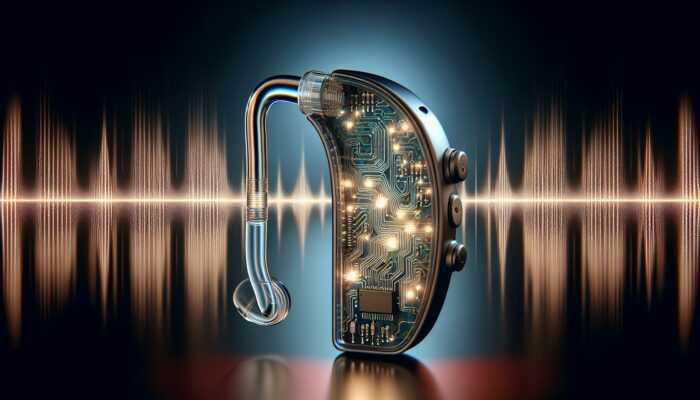
Futuristic hearing aid connected to cloud, data streams symbolizing remote adjustments across continents.

The revolutionary impact of cloud technology in hearing aids is evident in their ability to connect wirelessly to the cloud. This seamless integration facilitates robust data transfer and enables audiologists to perform remote adjustments, fundamentally transforming the user experience. Devices can communicate in real time, allowing audiologists to make immediate changes to hearing aid settings. For instance, a resident in Sydney may realize that their hearing aids are not aligned with their preferences after relocating. A quick wireless connection to the cloud allows an audiologist based in London to adjust the settings on the spot, ensuring optimal performance despite the geographical distance.

The implications of this technology extend far beyond mere convenience. Wireless integration enhances communication between hearing aids and a variety of devices, allowing users to stream music, phone calls, and other audio directly. Whether navigating a bustling market in Thailand or enjoying a peaceful day in a park in Switzerland, users can experience a customized auditory environment, effortlessly adapting to the surrounding sounds. Additionally, this wireless technology reduces the need for physical adjustments, promoting user independence and significantly enhancing the overall hearing experience for individuals across the globe.

Seamless Data Synchronization Across Devices

The efficiency of cloud technology in hearing aids is greatly enhanced by the feature of data synchronization. This functionality ensures that hearing aid settings are automatically synchronized across multiple devices, creating a cohesive user experience. Whether a user transitions from a smartphone to a tablet, the change occurs smoothly and without disruption. Consider a traveler in Brazil who utilizes both a smartphone and a tablet; with synchronized settings, switching devices becomes effortless, as there’s no need to manually adjust the hearing aids—everything remains consistent, ensuring peace of mind.

Data synchronization also plays a pivotal role in crafting a more personalized hearing experience. Users can modify settings on one device, and those alterations automatically reflect across all connected devices in real time. This level of integration is critical for maintaining optimal performance, particularly in diverse auditory environments. For individuals with specific auditory requirements, such as those living in urban versus rural settings, having synchronized settings guarantees that they are always prepared for their surroundings, ultimately enhancing overall satisfaction and usability.

Instantaneous Real-Time Updates for Enhanced Performance

The capability of delivering real-time updates exemplifies the transformative power of cloud technology in modern hearing aids. Users benefit from automatic firmware and software updates, improving the functionality and longevity of their devices without necessitating physical visits to an audiologist. For example, a user in New Delhi may receive an immediate update that enhances their hearing aid’s noise-cancellation feature, allowing them to enjoy clearer sound even amidst the chaos of crowded festivals or busy streets.

These real-time updates also empower manufacturers to respond swiftly to user feedback and emerging technologies. By leveraging cloud technology, companies can implement enhancements based on analytics of user behavior and preferences. This agile responsiveness is crucial in a rapidly evolving technological landscape, ensuring that hearing aids remain effective as they adapt and improve. With continuous enhancements delivered directly to their devices, users are encouraged to embrace new features that significantly elevate their quality of life, fulfilling the connectivity demands of today’s modern users.

Comprehensive Data Storage and Management Solutions

A futuristic data center with glowing servers and vibrant energy streams, symbolizing data storage solutions.

Robust and Secure Cloud Storage for User Data

At the core of cloud technology in hearing aids lies the assurance of secure cloud storage. The sensitive information collected by hearing aids—including user preferences, usage statistics, and audiological data—is stored securely to safeguard user privacy and data integrity. This level of security is crucial, as users may be apprehensive about sharing personal details without a guarantee of safety. Advanced encryption techniques and strict access controls ensure that only authorized personnel can access this information, fostering a strong sense of trust between users and manufacturers.

The implications of secure cloud storage extend beyond privacy concerns; they also significantly enhance user experience. For instance, a user in Cape Town can feel assured that their hearing aid data is protected, allowing them to explore various features without fear of unauthorized exposure. Furthermore, manufacturers can utilize aggregated data—anonymized and secure—to improve product offerings and tailor services to meet the diverse needs of users across different cultures and regions.

Convenient Data Accessibility for Users

The accessibility of data is another essential component of cloud technology in hearing aids. Users can effortlessly access their hearing aid data from any internet-connected device, providing greater convenience and control over their auditory experience. Picture a person in Tokyo checking their hearing aid performance data through an app on their laptop while savoring a cup of tea; this ease of access empowers users to make informed adjustments to their settings based on real-time feedback.

Moreover, data accessibility supports informed decision-making. Users can analyze their hearing patterns and preferences, leading to more personalized settings tailored to their unique auditory experiences. This global perspective is vital for users across different geographic locations, as varying environments significantly influence auditory needs. For instance, a user in the tranquil countryside of New Zealand may require different settings compared to someone navigating the vibrant streets of New York City, illustrating the importance of personalized adjustments for optimal hearing.

Leveraging Data Analytics for Enhanced User Experience

User in Mexico City market with hearing aid; data analytics overlay fine-tuning device settings for optimal sound.

Cloud-based analytics play a crucial role in transforming the experiences of hearing aid users. By harnessing the vast amounts of data collected, manufacturers can gain valuable insights into users’ hearing aid usage patterns. This information can inform personalized adjustments and enhance the overall functionality of hearing aids. For example, a user in Mexico City might notice their device struggles in noisy environments; data analytics can identify these patterns, allowing audiologists to fine-tune settings accordingly, thus ensuring users have the best possible experience in any auditory setting.

Additionally, data analytics can illuminate trends that benefit the entire community of users. By understanding common challenges faced by users in various regions—such as difficulties with wind noise in rural areas or challenges encountered in crowded public transportation—manufacturers can proactively develop solutions. This global approach to problem-solving ensures that advancements in hearing aid technology are rooted in real-world usage, leading to devices that truly meet the diverse needs of users worldwide.

Remote Adjustments and Ongoing Support for Users

Telehealth Services Revolutionizing Audiology

The integration of telehealth services into cloud technology in hearing aids signifies a major advancement in user support. Audiologists can now remotely adjust hearing aids, providing essential assistance without the need for in-person visits. This capability is invaluable for users in remote areas or those facing mobility challenges. Imagine an elderly individual residing in a small town in Canada receiving timely adjustments from an audiologist located halfway across the globe. This accessibility not only promotes better hearing outcomes but also fosters a sense of connection between users and healthcare professionals.

Telehealth also streamlines the process of obtaining support and troubleshooting. Users can quickly report issues and receive immediate feedback on necessary adjustments for their devices. This dynamic interaction enhances satisfaction and can lead to quicker resolutions of problems, reflecting a shift towards a more patient-centered model in audiology. The ease of accessing expert advice from anywhere in the world is a game-changer for users, empowering them to take charge of their hearing health.

Incorporating User Feedback for Continuous Improvement

Incorporating user feedback into the development and adjustment of hearing aids exemplifies the collaborative nature of cloud technology in hearing aids. Cloud platforms facilitate effortless communication between users and audiologists, allowing for quick reporting of issues and suggestions for improvements. A user in Buenos Aires, for example, can share their experiences with a specific feature, prompting manufacturers to consider enhancements or modifications that better align with user needs and expectations.

This feedback loop is essential for ongoing improvement, as it allows manufacturers to adapt quickly to user preferences and market demands, driving innovation in design and functionality. Furthermore, users feel valued when their feedback is acknowledged and acted upon, fostering a positive relationship between consumers and manufacturers. By nurturing this two-way communication, hearing aids can evolve in ways that genuinely reflect the needs and desires of users worldwide.

Convenient Scheduled Maintenance for Optimal Performance

The capability to schedule maintenance through cloud technology in hearing aids introduces a new level of convenience for users. With cloud connectivity, audiologists can organize routine check-ups and updates without the need for physical visits. This not only saves time but ensures that users’ devices are consistently optimized for performance. For instance, a busy professional in Berlin can schedule a remote maintenance check during their lunch break, ensuring their devices remain in excellent condition without disrupting their daily routine.

This proactive approach to maintenance is critical for maintaining optimal hearing aid functionality. Regular checks can preemptively address potential issues, minimizing downtime and ensuring that users enjoy a seamless auditory experience. The global reach of cloud technology means that users in diverse environments—from the vibrant streets of São Paulo to the tranquil landscapes of Norway—can benefit from the same level of service and support, reinforcing the universal appeal of modern hearing aids.

Personalization and Customization for Enhanced User Experience

Creating Tailored User Profiles for Unique Experiences

The emergence of user profiles in hearing aids illustrates an impressive application of cloud technology in enhancing personalization. By enabling the creation of tailored user profiles, hearing aids can adapt to individual preferences and lifestyles, ensuring optimal auditory experiences. For instance, a student in a university setting may require different settings during lectures compared to casual social gatherings. This flexibility in user profiles allows for quick transitions, seamlessly accommodating varying acoustic environments.

This personalized approach extends beyond simple adjustments. User profiles can store preferences for different environments, such as quiet rooms, crowded venues, or outdoor settings. This adaptability empowers users worldwide, from urban dwellers in Tokyo to rural residents in Australia, allowing them to experience the best possible hearing in any situation. The cloud’s capability to store and synchronize these profiles means that users can switch devices or locations without sacrificing audio quality or personal preferences.

Utilizing Adaptive Learning for Enhanced Hearing Aid Functionality

Adaptive learning is a significant factor in the overall effectiveness of cloud technology in hearing aids. Many modern hearing aids incorporate algorithms that analyze usage patterns over time, allowing them to adjust automatically to user preferences and environmental changes. For example, a user in Paris may notice their device gradually becomes more adept at filtering out background chatter in cafés, thanks to its learning capabilities. This intelligent adaptation creates a more intuitive user experience, as the device learns and evolves alongside the individual’s needs.

The implications of adaptive learning are profound. Users benefit from devices that can tailor sound settings based on their unique listening habits, reducing the necessity for constant manual adjustments. This feature not only increases satisfaction but also encourages users to engage more actively with their hearing aids, fostering a deeper understanding of their auditory environment. As technology continues to advance, adaptive learning will play an increasingly vital role in creating personalized auditory experiences that cater to individuals around the globe.

Designing Custom Soundscapes for Unique Listening Experiences

The ability to create and store custom soundscapes represents a new frontier in the personalization of hearing aids through cloud technology. Users can design unique auditory environments that cater to specific activities or settings, greatly enhancing their overall listening experience. Whether it’s a calming soundscape for meditation or an immersive environment for enjoying music, these customizations enable a level of personalization that was previously unattainable.

For instance, a user in Los Angeles might design a soundscape that incorporates the sounds of ocean waves while blocking out urban noise. This tailored auditory experience can transform everyday activities, making them more enjoyable and engaging. The cloud’s ability to store these custom soundscapes ensures that users can access them from any connected device, promoting a seamless integration of technology into daily life. As users around the world explore diverse auditory landscapes, the potential for creativity and expression in sound becomes virtually limitless.

Integration with Other Devices for Enhanced Functionality

Smartphone Compatibility for Streamlined User Experience

The seamless integration of hearing aids with smartphones through cloud technology significantly enhances user experience and functionality. By allowing users to connect their hearing aids directly to their smartphones, they can enjoy features such as streaming phone calls, music, and navigation prompts. Imagine a user in Mumbai receiving a phone call while navigating through a crowded marketplace; the connectivity enables them to hear the caller clearly without any external noise interference.

Smartphone compatibility also provides users with a convenient interface for managing their hearing aid settings. Through specialized apps, users can quickly adjust audio levels, access user profiles, and even receive updates or alerts regarding their devices. This accessibility is particularly beneficial for younger, tech-savvy users who expect seamless integration across devices. The ability to control hearing aids from a smartphone fosters a sense of independence, as users can tailor their experience without needing assistance from audiologists.

Smart Home Device Integration for Comprehensive Connectivity

The interaction of hearing aids with smart home devices marks a significant advancement in cloud technology in hearing aids. Cloud connectivity allows hearing aids to communicate with various smart home systems, enhancing user experience beyond mere hearing assistance. For example, a user in a smart home in Singapore can configure their hearing aids to work in conjunction with home automation systems, enabling alerts for doorbells, alarms, or even cooking timers to be transmitted directly to their devices.

This integration ensures that users remain connected to their surroundings in a comfortable and efficient manner. The ability to receive notifications through hearing aids not only enhances safety but also fosters a more cohesive living experience. As smart home technology continues to evolve, the synergy between hearing aids and home devices will deepen, offering users worldwide a holistic approach to their auditory and living environments.

Wearable Technology Integration for Comprehensive Health Monitoring

The incorporation of wearable technology into the ecosystem of cloud technology in hearing aids provides users with comprehensive monitoring of their health and hearing. Integration with fitness trackers, smartwatches, and other wearables allows users to access health metrics alongside their auditory data. For instance, a fitness enthusiast in London could monitor their physical activity while receiving alerts from their hearing aids simultaneously, streamlining their daily routines.

This integration extends the functionality of hearing aids, enabling them to serve not only as auditory devices but also as wellness tools. By analyzing data from wearables, hearing aids can adjust settings based on the user’s physical state. For example, if a user is engaged in a high-intensity workout, their hearing aids may enhance sound clarity to improve situational awareness. This multifaceted approach to health and hearing monitoring represents a significant leap forward, offering users a comprehensive understanding of their well-being in diverse contexts.

Enhancing User Experience through Technological Advancements

Promoting Ease of Use for All Users

The user-friendly nature of modern hearing aids is significantly enhanced by cloud technology in hearing aids. With intuitive interfaces and streamlined connectivity, using hearing aids has become simpler than ever. The incorporation of cloud-based features allows for straightforward adjustments to settings, making them accessible to users of all ages. For instance, an older user in Johannesburg can easily navigate an app on their smartphone to adjust settings without feeling overwhelmed by complicated menus or jargon.

This ease of use not only promotes user independence but also encourages greater engagement with hearing aids. When users can effortlessly manage their devices, they are more likely to utilize them consistently, leading to improved hearing outcomes. As technology continues to evolve, the focus on creating accessible and user-friendly interfaces will ensure that hearing aids remain relevant and effective for diverse populations worldwide.

Commitment to Continuous Improvement in Hearing Technology

The cloud technology underlying hearing aids fosters a culture of continuous improvement by leveraging data collected from users. Every interaction with a hearing aid contributes to a comprehensive understanding of user preferences and behaviors. Manufacturers can analyze this data to identify trends and areas for enhancement, resulting in ongoing updates and refinements to hearing aid design. A user in Toronto, for instance, may benefit from an upgrade that enhances the device’s performance in challenging acoustic environments, thanks to analytics derived from global user data.

This commitment to improvement reflects the evolving needs of users across different cultures and environments. As manufacturers adapt to these needs, the quality of hearing aids continues to rise, ensuring that users experience cutting-edge technology tailored to their unique auditory challenges. This dedication to excellence resonates with users globally, emphasizing the importance of feedback-driven innovation in the audio technology landscape.

Empowering Users with Control and Independence

Cloud-based tools empower users to take control of their hearing aids, significantly enhancing their independence and confidence. By providing access to data and settings, users can adjust their devices based on personal preferences and changing environments. For a user in Istanbul, having the ability to modify settings directly through an app fosters a sense of agency that was previously unattainable. This empowerment transforms the user experience, allowing individuals to engage more fully in their daily lives.

Moreover, user empowerment extends to the ability to set up custom soundscapes, access remote support, and schedule adjustments. This level of control minimizes the need for frequent visits to audiologists while still ensuring that support is readily available when required. As users embrace this autonomy, they are more likely to explore their hearing aids’ capabilities, leading to richer auditory experiences and improved overall satisfaction.

Personalization as a Key Element of User Satisfaction

The role of personalization in hearing aids is greatly enhanced through cloud technology in hearing aids. By allowing users to tailor their settings and preferences, modern hearing aids offer a unique auditory experience that caters specifically to individual needs. Whether a user is in a quiet library in Berlin or a lively café in Rio de Janeiro, the ability to access personalized settings ensures that they can adapt to their environment with ease and comfort.

This focus on personalization not only provides immediate benefits but also fosters long-term satisfaction. Users who feel that their devices cater to their specific needs are more likely to engage with their hearing aids consistently, leading to improved outcomes. As personalization becomes increasingly integral to hearing aid technology, users around the world will continue to enjoy enhanced auditory experiences that reflect their unique lifestyles and preferences.

Accessing Remote Support for Immediate Assistance

The convenience of remote support is a hallmark of cloud technology in hearing aids. With cloud connectivity, users can access assistance in real-time, ensuring that they receive immediate help when needed. A user in Melbourne can connect with their audiologist for support without the necessity for an in-person visit, streamlining the process and reducing potential barriers to care.

This remote support capability is especially valuable for users who may face mobility challenges or who live in remote areas. By providing access to expert advice and quick adjustments, cloud technology empowers users to maintain optimal hearing health. As the demand for accessible healthcare continues to grow globally, the integration of remote support in hearing aids exemplifies a progressive approach to user care and satisfaction.

Future Innovations Shaping the Hearing Aid Industry

Integrating AI for Smarter Hearing Aids

The future of hearing aids is set for transformation with the integration of artificial intelligence (AI) into cloud technology in hearing aids. AI-driven advancements will enhance sound processing capabilities, allowing devices to learn and adapt to user preferences more intuitively. Users in diverse environments—from bustling urban centers to tranquil rural settings—will benefit from personalized auditory experiences tailored to their unique listening habits.

AI will also enable predictive algorithms that can anticipate user needs based on historical data, making automatic adjustments seamless. For instance, as a user enters a noisy environment, their hearing aids could proactively enhance speech clarity while minimizing background noise, providing a seamless audio experience that significantly elevates their quality of life. As AI technology continues to evolve, the potential for more sophisticated and responsive hearing aids will greatly impact users worldwide, ushering in a new era of auditory technology.

Advancing Predictive Maintenance for Proactive Care

Predictive maintenance is another exciting prospect emerging from cloud technology in hearing aids. By analyzing usage data and performance metrics, future hearing aids could alert users to potential issues before they arise. For example, a user in Lagos might receive a notification indicating that their battery life is dwindling or that an adjustment is necessary for optimal performance, fostering proactive care and enhancing user experience.

This anticipatory approach will not only improve user experience but also extend the lifespan of devices. By addressing issues before they escalate, manufacturers can ensure that users enjoy uninterrupted service, minimizing the risk of hearing aid malfunctions. The integration of predictive maintenance represents a significant advancement in user-centered design, promoting reliability and satisfaction across diverse markets.

Enhancing Connectivity for Seamless Integration

Future innovations in cloud technology in hearing aids will likely include enhanced connectivity options, improving the integration of devices within the Internet of Things (IoT). As more smart devices enter the market, hearing aids will evolve to interact with an even broader range of technologies, creating a more interconnected experience. Imagine a user in a smart home setting receiving notifications from appliances directly through their hearing aids, enhancing their daily routines and overall quality of life.

This enhanced connectivity will also foster seamless integration with health monitoring devices, allowing users to track both auditory and physical health metrics in real-time. As connectivity improves, users will enjoy a more holistic understanding of their well-being, reinforcing the essential role that hearing aids play in overall health management. The future promises a world where hearing aids seamlessly integrate into the fabric of daily life, providing unparalleled benefits for users globally.

Leveraging Advanced Data Analytics for Personalization

The evolution of advanced data analytics within the cloud framework will significantly impact cloud technology in hearing aids. By harnessing the power of big data, manufacturers will analyze user behavior and preferences in unprecedented detail. This capability will enable the creation of more personalized hearing aid settings, ensuring that devices are tailored to individual needs and environments.

As advanced analytics become increasingly sophisticated, they could also support machine learning algorithms that continuously refine performance based on user interactions. For example, a user in Cairo may benefit from hearing aids that enhance their settings based on their audiological history and daily activities. The potential for data-driven personalization represents a transformative step forward in hearing aid technology, making devices smarter and more adaptable to users worldwide.

Addressing Challenges and Implementing Effective Solutions

Ensuring Data Security in the Cloud

Ensuring data security is paramount in cloud technology in hearing aids, as the sensitive information stored in the cloud can be vulnerable to breaches. Manufacturers must prioritize robust security measures, including end-to-end encryption and multi-factor authentication, to safeguard user data. As global concerns about privacy continue to rise, users need assurance that their personal information is protected and secure.

This challenge presents an opportunity for manufacturers to distinguish themselves through their unwavering commitment to data security. By transparently communicating security measures and adhering to strict compliance regulations, companies can build trust and confidence among users. In a world where technology increasingly intersects with privacy concerns, proactively addressing data security will be crucial for the sustainable growth and acceptance of the hearing aid industry.

Frequently Asked Questions About Cloud Technology in Hearing Aids

What advantages does cloud technology offer to hearing aids?

Cloud technology facilitates remote adjustments, real-time updates, secure data storage, and personalized user experiences, significantly enhancing the overall functionality and convenience of hearing aids.

How do hearing aids connect to the cloud?

Hearing aids connect to the cloud using wireless technology, enabling seamless data transfer and providing remote access to settings and support from audiologists.

Can audiologists perform remote adjustments on hearing aids?

Yes, audiologists can make remote adjustments to hearing aids through cloud connectivity, allowing for timely support without requiring in-person visits.

What is the concept of adaptive learning in hearing aids?

Adaptive learning enables hearing aids to analyze user preferences and environmental changes over time, automatically adjusting settings for an optimized auditory experience.

How is data security ensured for users of hearing aids?

Manufacturers deploy robust security measures, such as encryption and multi-factor authentication, to protect sensitive user data stored in the cloud.

Can users create custom soundscapes using their hearing aids?

Yes, users can create and store custom sound environments in the cloud, enhancing their listening experiences based on personal preferences and settings.

What role does AI play in the future of hearing aids?

AI will enhance sound processing, enable predictive algorithms for user needs, and contribute to more intuitive and personalized hearing aids that adapt to individual preferences.

How can users access their hearing aid data?

Users can access their hearing aid data from any device with internet connectivity, allowing for greater convenience and control over their settings and preferences.

What implications does predictive maintenance have for hearing aids?

Predictive maintenance can alert users to potential issues before they occur, ensuring uninterrupted service and extending the lifespan of the devices through proactive care.

How does cloud technology enhance the overall user experience?

Cloud technology simplifies device management, facilitates remote support, and fosters personalization, ultimately improving user satisfaction and engagement with their hearing aids.

Explore our journey on X!

The post Hearing Aids and Cloud Technology: An In-Depth Overview appeared first on The Microsuction Ear Wax Removal Network.

Categories
Health & Wellness Hearing Technology

Hearing Aids Explained: A Brief History and Overview

Last Updated on 01/07/2025 by Admin

Discover the Fascinating Origins of Hearing Aids

Unveiling the First Hearing Devices: Ear Trumpets

Ear trumpets from the 17th and 18th centuries, made of metal, wood, and paper, symbolizing early hearing aid innovation.

The remarkable journey of hearing aids commenced with the creation of ear trumpets, which were innovative devices designed to capture and amplify sound waves directly into the ear. These early aids were crafted from various materials, including metal, wood, and even paper, molded into a funnel or cone shape to effectively gather sounds from the surrounding environment. The historical significance of these devices is intriguing; during the 17th and 18th centuries, individuals with hearing impairments often faced social marginalization. The introduction of the ear trumpet symbolized a pivotal move towards greater inclusion and accessibility for those affected by hearing loss.

While the ear trumpet served as a functional tool, its awkward design posed challenges for users. Proper positioning was essential for effectively capturing sound, often leaving users struggling to hear in bustling, noisy environments. This limitation ignited a wave of innovation aimed at enhancing the effectiveness and practicality of such devices, paving the way for future advancements in hearing technology.

The 19th century witnessed a surge in the popularity of ear trumpets, particularly across Europe and North America. Inventors began experimenting with diverse materials and designs, resulting in an array of trumpet shapes tailored to the varying needs of users. Interestingly, as these devices gained acceptance in public spaces, the social stigma associated with hearing loss began to diminish. Despite these advancements, early hearing aids still struggled to provide a holistic solution for all types of hearing loss, leaving users with ongoing challenges.

Tracing the Evolution of Ear Trumpets

The evolution of ear trumpets stands as a testament to human creativity, showcasing gradual improvements in both design and functionality. Initially, these devices were basic cones that simply focused sound waves, but over time, they evolved into more elaborate shapes—such as bell-shaped or spiral designs. These enhancements were not only visually appealing; they significantly increased sound collection efficiency, making it easier for users to hear conversations and ambient sounds in various settings.

The materials used in crafting ear trumpets also underwent remarkable advancements. Early models were often constructed from heavy metals or woods, making them cumbersome for everyday use. As society began to embrace modern materials like plastics and lighter metals, the design of ear trumpets became more user-friendly and portable. This transformation not only improved user comfort but also facilitated greater mobility, allowing users to carry their aids without feeling encumbered.

Cultural attitudes towards ear trumpets shifted as these devices gained popularity. The stigma associated with hearing loss began to wane, especially as notable artists and intellectuals began to use them openly. This growing acceptance laid the groundwork for further advancements in hearing assistance technology, fostering a more inclusive society for individuals with hearing challenges.

Identifying the Limitations and Challenges of Early Hearing Aids

Despite their practicality, early hearing aids encountered numerous limitations that impeded widespread adoption. The bulkiness of ear trumpets often resulted in social stigma, as users frequently felt self-conscious about their appearance. This concern was exacerbated by the fact that many designs were not easily concealable, drawing attention to the user’s hearing impairment, which could discourage them from using these devices in public.

Moreover, the amplification capabilities of these devices were limited, often resulting in distorted sounds or insufficient amplification of softer voices. Users frequently faced difficulties in crowded or noisy environments, where background noise could easily overwhelm the faint sounds they were trying to discern. This lack of adaptability led many potential users to forgo hearing aids altogether, choosing instead to isolate themselves from social interactions.

The combination of size, social stigma, and inadequate sound amplification presented significant hurdles in the early days of hearing aids. These challenges underscored the pressing need for innovation and development in the field, ultimately setting the stage for the emergence of electronic hearing aids in the 20th century.

Revolutionary Developments in Electronic Hearing Aids

Futuristic transparent hearing aid with advanced circuitry, set against urban tech progress.

The Groundbreaking Invention of the Carbon Hearing Aid

The early 20th century heralded a transformative era in the realm of hearing aids with the advent of the carbon hearing aid. This pivotal technological advancement was propelled by the emergence of new electronic components, enabling inventors to transcend the limitations of traditional ear trumpets. The carbon hearing aid utilized carbon microphones to convert sound waves into electrical signals, amplifying them before transmitting them directly into the user’s ear.

The introduction of this device marked a revolutionary shift in how individuals with hearing impairments engaged with the world around them. For the first time, users enjoyed a significant enhancement in sound quality and amplification. The carbon hearing aid transformed the auditory experience, allowing users to participate more fully in conversations and reducing the social isolation that often accompanied hearing loss.

However, despite these advancements, the carbon hearing aids were not without their challenges. They were frequently bulky and required substantial power sources, which could sometimes limit their portability. Nonetheless, the introduction of this device represented a monumental leap forward in auditory technology, sparking further innovations in the years to come.

Advancements through Vacuum Tube Technology

The 1930s marked the introduction of vacuum tube technology into hearing aids, representing another revolutionary advancement in sound amplification. Vacuum tube hearing aids were significantly smaller and more powerful than their carbon predecessors, providing enhanced sound quality and greater flexibility for users. These devices employed vacuum tubes to amplify sound signals, resulting in a clearer and more reliable auditory experience.

One of the notable strengths of vacuum tube technology was its ability to enhance sound fidelity, enabling users to access a broader range of frequencies. This improvement was particularly beneficial for individuals with partial hearing loss, as it allowed them to detect sounds that were previously inaudible. The heightened sound quality contributed to a greater societal acceptance of hearing aids, as users felt more comfortable engaging in social situations.

However, it is important to recognize that vacuum tube hearing aids still retained a relatively bulky design and required regular maintenance, which made them less than ideal for everyday use. The technology was also power-intensive, necessitating frequent battery replacements. Despite these challenges, the introduction of vacuum tube technology set the foundation for future innovations that would address these issues.

The Impact of Early Adoption of Electronic Hearing Aids

People with electronic hearing aids happily conversing at a lively community event, demonstrating improved social engagement.

As electronic hearing aids began to gain traction, their societal impact became increasingly apparent. Technological advancements allowed individuals with hearing impairments to reconnect with their surroundings, improving their overall quality of life. For many, the ability to hear clearly transformed their social interactions, enabling them to participate in conversations and activities they had previously avoided due to their hearing loss.

The proliferation of electronic hearing aids contributed to a broader cultural shift regarding hearing loss. The stigma surrounding the use of these devices began to dissipate, paving the way for increased acceptance and understanding. This transformation was not just a change in perception; it underscored the importance of accessibility and inclusivity for all individuals, regardless of their hearing abilities.

Another critical aspect of early adoption was the role of healthcare professionals in advocating for these devices. Audiologists and hearing specialists played an instrumental role in educating patients about the benefits of electronic hearing aids, encouraging wider acceptance. Their efforts helped demystify the use of hearing aids, bridging the gap between users and non-users and fostering a supportive community.

Transition to Transistor-Based Hearing Aids

The introduction of transistor technology in the 1950s represented a significant evolution in hearing aids. Transistor-based hearing aids were not only smaller and more portable but also offered improved reliability compared to earlier models. This miniaturization made it easier for users to wear their devices without feeling self-conscious, promoting broader acceptance and integration of hearing aids into daily life.

The sound quality of transistor hearing aids saw remarkable enhancements as well. These devices provided superior amplification and clarity, allowing users to enjoy a more natural listening experience. The technological progress enabled users to engage in conversations even in challenging auditory environments, such as bustling restaurants or crowded public spaces. This was a pivotal moment for many individuals, enabling them to reclaim their social lives and interact more freely.

Moreover, the affordability of transistor technology meant that hearing aids became accessible to a wider audience. Manufacturers could produce these devices at lower costs, making them available to individuals who may have previously viewed hearing aids as financially out of reach. This accessibility played a crucial role in increasing the number of people benefiting from hearing aids worldwide, further altering societal perceptions of hearing loss.

The Transistor Revolution in Hearing Aids

The Miniaturization of Hearing Aids

The transistor revolution fundamentally reshaped the design and functionality of hearing aids, particularly regarding their size. This period marked a shift towards miniaturization, allowing devices to become significantly smaller and more discreet. Users no longer felt encumbered by bulky equipment, which had previously served as a psychological barrier. The transition to compact hearing aids enabled individuals to incorporate their devices seamlessly into their daily lives, fostering a sense of normalcy and acceptance of their hearing aids.

The advantages of miniaturization extended beyond mere aesthetics. Smaller devices frequently translated to improved comfort for users, enabling them to wear hearing aids for extended periods without discomfort. This increased wearability was crucial in ensuring users could benefit from their devices throughout the day, ultimately enhancing their auditory experience and encouraging consistent use.

The trend toward miniaturization also inspired a wave of creativity among manufacturers. Innovative designs emerged, with hearing aids crafted in various shapes and colors to appeal to diverse user preferences. This customization aspect not only improved user satisfaction but also encouraged greater acceptance among younger generations, who often prioritize style and appearance in their choices.

Experience the Enhanced Sound Quality of Transistor Hearing Aids

One of the standout features of transistor-based hearing aids was the remarkable improvement in sound quality. The transition from vacuum tubes to transistors facilitated more precise sound amplification and processing. Users benefitted from a more natural auditory environment, allowing them to distinguish different tones and frequencies more effectively, which significantly enhanced their overall listening experience.

The improved sound quality had a profound impact on users’ social interactions. Individuals could engage in conversations without straining to hear, fostering more meaningful connections with friends and family. The clarity provided by transistor technology enabled users to enjoy music, television, and other auditory experiences in ways they had never imagined, further enriching their lives.

Moreover, this enhanced sound quality played a critical role in the rehabilitation of individuals with hearing impairments. Audiologists and speech therapists observed that users were better able to comprehend speech and respond more effectively, which was especially important for those undergoing auditory training or rehabilitation. The advancements in sound processing heralded a new era of support for individuals with hearing loss.

Improving Accessibility and Affordability of Hearing Aids

The democratization of hearing aids through transistor technology significantly enhanced their accessibility and affordability. As manufacturers produced smaller and more reliable devices, economies of scale allowed for lower prices. This shift made hearing aids attainable for a broader audience, including individuals from various socioeconomic backgrounds, ultimately fostering a more inclusive society.

The increased affordability of transistor hearing aids was particularly impactful in developing nations, where access to healthcare and assistive devices can be limited. Lower-cost options opened new avenues for individuals who would otherwise remain isolated due to their hearing impairments. Organizations and non-profits began recognizing the urgent need for affordable hearing solutions, leading to initiatives aimed at providing these essential devices to underserved populations.

Additionally, the availability of various models and price points enabled users to select devices that catered to their specific needs and budgets. This variety empowered individuals to take charge of their hearing health, fostering a sense of agency that had previously been lacking in the realm of hearing aids.

Enhanced Battery Life in Hearing Aids

The transition to transistor technology not only revolutionized the design and functionality of hearing aids but also significantly improved their battery life. Older hearing aids that relied on vacuum tubes often had limited battery life, necessitating frequent changes and causing inconvenience for users. In contrast, transistor-based hearing aids were more energy-efficient, allowing users to enjoy longer periods of use without the hassle of constant battery replacements.

This enhancement in battery life was crucial for promoting consistent device use. Users no longer had to worry about their devices dying at inconvenient moments, which could lead to frustration and diminished trust in their hearing aids. The reliability of longer-lasting batteries encouraged greater user commitment, enabling individuals to wear their devices throughout the day without fear of interruption.

Moreover, advancements in battery technology contributed to the environmental sustainability of hearing aids. As manufacturers prioritized energy-efficient designs, the demand for disposable batteries decreased, resulting in a positive impact on the environment. Users could feel good about their choices, knowing that their devices contributed to a reduced ecological footprint while still providing essential auditory support.

Embracing Digital Hearing Aids

Transitioning to Cutting-Edge Digital Technology

The late 20th century marked a monumental turning point in the history of hearing aids with the shift from analog to digital technology. Digital hearing aids revolutionized sound processing capabilities, enabling unprecedented advancements in how sound was amplified and delivered to users. By converting sound waves into digital signals, these devices could analyze and manipulate sound with remarkable precision, enhancing the overall auditory experience.

One of the most significant benefits of digital technology was the ability to customize sound settings for individual users. These devices could be programmed to filter out background noise, enhance speech recognition, and adjust to various auditory environments. This level of adaptability proved to be a game-changer for users, allowing them to engage more fully in conversations and social settings without feeling overwhelmed by external noise.

As digital technology advanced, users also experienced significant improvements in sound fidelity. The algorithms utilized in these devices enabled them to process complex auditory environments more effectively, ensuring that users could discern speech amidst background noise. This technological breakthrough transformed the user experience, prompting a broader acceptance of hearing aids in diverse social contexts.

Customizable Features for Enhanced User Control

The introduction of programmable features in digital hearing aids marked a significant leap forward in user control and personalization. For the first time, users could tailor their devices to meet their unique hearing needs and preferences. Audiologists began utilizing computerized fittings to adjust settings based on individual audiograms, ensuring that each user received a customized auditory experience.

This personalization extended beyond basic adjustments, with many digital hearing aids offering multiple programs for different environments. Users could effortlessly switch between settings for quiet conversations, noisy gatherings, or outdoor activities with the simple press of a button. This flexibility allowed individuals to navigate various social situations with confidence, significantly enhancing their quality of life.

In addition to customizable sound profiles, many digital hearing aids began incorporating advanced features like feedback cancellation, which eliminated annoying whistling sounds that often occurred with older models. These innovations not only improved user satisfaction but also fostered greater confidence in wearing hearing aids, as users could now enjoy a seamless auditory experience.

Enhancing the User Experience with Digital Hearing Aids

The digital era brought substantial enhancements to the overall user experience, setting a new standard for auditory devices. Noise reduction technologies became commonplace, enabling users to filter out unwanted sounds while focusing on conversations or important audio cues. This capability proved particularly beneficial in crowded environments, where background noise could frequently drown out essential sounds, making communication challenging.

Directional microphones emerged as another groundbreaking feature in many digital hearing aids. These microphones could identify the source of sounds and prioritize them based on their direction. Consequently, users could engage in conversations more effortlessly, as their devices would amplify sounds coming from in front of them while minimizing noise from the sides and behind. This technology transformed how individuals interacted with their surroundings, making social engagements more enjoyable and less stressful.

The enhanced user experience was not limited to sound quality; it also encompassed improved comfort and design. Digital hearing aids often featured ergonomic designs that facilitated extended wear without discomfort. Furthermore, advancements in materials led to devices that were lighter and less intrusive, thereby promoting user acceptance and satisfaction.

Seamless Connectivity and Integration of Hearing Aids

As technology progressed, digital hearing aids began to incorporate seamless connectivity with smartphones and other devices. This integration allowed users to control their hearing aids through mobile apps, simplifying adjustments, program changes, and battery life monitoring. The convenience of app-based control empowered users to take charge of their auditory experiences like never before.

Moreover, the ability to stream audio directly from smartphones or other devices transformed how users interacted with media. Whether listening to music or taking phone calls, individuals could enjoy a more immersive auditory experience without the need for additional accessories. This level of connectivity not only enhanced the functionality of hearing aids but also made them more appealing to younger users accustomed to technology-rich environments.

The integration of digital hearing aids with smart home devices further extended their capabilities. Users could connect their hearing aids to home assistants, enabling voice-activated control of various settings. This innovation exemplified the direction in which hearing aid technology was headed: towards greater integration with the increasingly interconnected world around us, enriching the user experience.

Advanced Signal Processing for Optimal Sound Quality

The implementation of advanced algorithms in digital hearing aids has had a profound impact on both sound quality and user experience. These sophisticated signal processing techniques allow devices to analyze sound in real-time, dynamically adjusting amplification levels based on the user’s environment. This capability ensures that users experience the highest possible sound quality, regardless of their surroundings.

Advanced signal processing also plays a crucial role in managing hearing aid feedback. Feedback, often characterized by bothersome whistling sounds, can pose a significant issue for users. Modern algorithms can swiftly detect and mitigate feedback, allowing users to enjoy clear sound without interruption. This technological advancement has been pivotal in increasing user confidence and satisfaction with their hearing aids.

Furthermore, the incorporation of machine learning capabilities into hearing aids is paving the way for even more personalized experiences. Devices can learn from users’ preferences and behaviors, adapting their settings over time to better meet individual needs. This level of personalization not only enhances the user experience but also promotes a more natural integration of hearing aids into daily life.

Exploring Modern Innovations in Hearing Aids

Revolutionizing Hearing Aids with Wireless Connectivity

Modern hearing aids are increasingly equipped with wireless connectivity features, allowing for seamless interaction with a wide array of devices. This capability has opened up new avenues for users, facilitating audio streaming directly from smartphones, televisions, and other multimedia sources. The result is a richer auditory experience that enhances both entertainment and communication for individuals with hearing impairments.

Wireless connectivity also enables users to receive phone calls through their hearing aids, eliminating the need for additional accessories. This convenience has transformed how individuals communicate, allowing them to engage in conversations without the hassle of holding a phone to their ears. The integration of hearing aids with smartphones has made it easier for users to stay connected with friends, family, and colleagues, significantly improving their overall quality of life.

Moreover, the ability to connect hearing aids to smart devices has led to innovative applications that enhance user control. Mobile apps provide users with the ability to customize settings in real-time, monitor battery life, and even access customer support resources. This level of connectivity empowers individuals to take charge of their hearing health like never before, fostering a sense of independence.

The Game-Changing Impact of Rechargeable Batteries

The development of rechargeable batteries has been a game-changer in the world of hearing aids. Gone are the days of frequent battery replacements, which could be both inconvenient and costly. Modern rechargeable hearing aids offer users the convenience of simply placing their devices on a charging dock at the end of the day, ensuring they are fully powered for the next day’s activities.

Rechargeable batteries not only enhance convenience but also contribute to environmental sustainability. With fewer disposable batteries being used, users can feel good about their eco-friendly choices. This shift aligns with broader societal trends towards sustainability and responsibility, making rechargeable hearing aids an appealing option for environmentally-conscious consumers.

Additionally, the advent of rapid charging technology means that users can enjoy longer battery life with shorter charging times. This is particularly beneficial for those who may forget to charge their devices overnight or for users who need a quick power boost before heading out. The increased reliability of rechargeable batteries has further solidified their place in modern hearing aid designs.

Smartphone Integration for Enhanced User Control

The integration of hearing aids with smartphones has revolutionized how users interact with their devices. Mobile apps have become essential tools for managing hearing aids, offering users unprecedented control over their settings and features. This level of customization allows individuals to tailor their auditory experiences based on their specific preferences and needs.

Users can adjust volume levels, switch programs, and even access remote support from audiologists through their smartphone apps. This convenience fosters a sense of independence and empowerment, as individuals can manage their hearing health more effectively. Moreover, the app-based approach provides users with valuable insights into their hearing habits, enabling them to make informed decisions about their auditory health.

Beyond basic management features, many apps offer advanced functionalities such as soundscape personalization, allowing users to create specific auditory environments tailored to their preferences. This level of customization enhances the overall user experience, making hearing aids more adaptable to varying social situations and personal needs.

Looking Towards the Future of Hearing Aids

The Role of Artificial Intelligence in Hearing Aid Evolution

The integration of artificial intelligence (AI) into hearing aids promises to revolutionize the future of auditory technology. AI has the potential to enhance sound processing and personalization, allowing devices to learn and adapt to individual users’ preferences and behaviors over time. This level of sophistication could lead to previously unimaginable advancements in the quality of life for individuals with hearing impairments.

One of the most exciting prospects of AI in hearing aids is its ability to analyze complex auditory environments. Future devices may be able to identify specific sounds, such as speech, and prioritize them while filtering out irrelevant background noise. This capability would significantly improve users’ experiences in challenging auditory settings, such as crowded events or noisy public spaces.

Additionally, AI could facilitate real-time adjustments to hearing aid settings based on user feedback and preferences. Imagine a hearing aid that learns your favorite settings for different environments—whether you’re at home, in a restaurant, or attending a concert—automatically adjusting itself to provide optimal sound quality. This personalized approach would not only enhance user satisfaction but also foster greater trust in hearing aid technology.

Exploring the Potential of Implantable Devices

The future of hearing aids may also shift towards implantable devices, offering a more permanent and discreet solution for individuals with hearing loss. These innovations could potentially provide a seamless alternative to traditional external hearing aids, significantly improving comfort and usability. Implantable devices could be designed to work directly with the auditory nerve, bypassing damaged structures within the ear.

Such advancements could be particularly beneficial for individuals with severe or profound hearing loss who have found traditional hearing aids ineffective. The potential for implantable hearing devices to deliver clear, natural sound may dramatically enhance the quality of life for those affected by hearing impairments.

As research and technology in this area continue to evolve, we might witness the development of minimally invasive procedures for implantation, reducing recovery times and complications. This shift toward implantable options could not only enhance auditory experiences but also reshape societal perceptions of hearing loss and assistive devices.

The Future of Wireless Connectivity in Hearing Aids

Advancements in wireless technology will continue to enhance hearing aids’ ability to connect seamlessly with smartphones and other devices. Future innovations may allow for even greater integration with smart home systems, enabling users to control their entire auditory environment through a single interface. Imagine a world where your hearing aids adjust automatically based on your surroundings, optimizing sound quality without any manual intervention.

Additionally, improved wireless connectivity could lead to collaborative features, allowing users to share settings and experiences with others. This sharing capability could further enhance community support for individuals with hearing loss, fostering a sense of connection and understanding among users.

As the world becomes increasingly interconnected, the role of hearing aids as a vital tool for communication and social engagement will only grow. The future promises exciting possibilities that will enhance user experiences and integration across various aspects of life.

Advancements in Personalization: A Bright Future for Hearing Aids

The future of hearing aids is poised to deliver unprecedented advancements in personalization, empowering users to create tailored auditory experiences like never before. As technology evolves, the capacity of hearing aids to adapt to individual needs will continue to expand. From customizable sound profiles to user-driven adjustments, the next generation of hearing aids will offer a level of personalization that significantly enhances user satisfaction.

Imagine hearing aids that can analyze your listening habits and preferences over time, automatically adjusting settings based on your environment and activities. This level of personalization will not only enhance user comfort but also foster greater confidence in using hearing aids. The combination of machine learning and user feedback will drive this evolution, promoting a seamless integration of hearing aids into daily life.

Furthermore, advancements in teleaudiology will enable remote support and adjustments from audiologists, allowing users to receive tailored care without the need for frequent in-person visits. This accessibility will empower users to maintain their hearing health more effectively, facilitating optimal auditory experiences.

The future of hearing aids holds tremendous promise, with innovations in AI, implantable devices, wireless connectivity, and personalization set to transform the landscape. As technology continues to evolve, users can look forward to a world where hearing aids enhance not only their auditory experiences but also their overall quality of life.

Frequently Asked Questions About Hearing Aids

What are hearing aids and how do they function?

Hearing aids are electronic devices engineered to amplify sound for individuals with hearing loss, significantly improving their ability to engage in communication and interact with their environments. They operate by capturing sound through a microphone, amplifying it via an internal amplifier, and delivering it to the user’s ear through a speaker. Modern hearing aids often incorporate advanced technology to enhance sound quality and processing capabilities.

What types of hearing aids are available?

Numerous types of hearing aids exist, including behind-the-ear (BTE), in-the-ear (ITE), and completely-in-canal (CIC) models. Each type offers various features and amplification levels that cater to different user needs and preferences.

How do I select the right hearing aid for myself?

Choosing the right hearing aid involves evaluating your hearing loss severity, lifestyle requirements, budget, and personal preferences. Consulting a qualified audiologist can assist you in identifying the best option tailored to your specific needs.

Are hearing aids covered by insurance plans?

Coverage for hearing aids varies between insurance providers, with some plans covering part or all of the associated costs. It’s crucial to verify the specifics with your insurance provider to understand your coverage options.

How frequently should hearing aids be serviced?

Hearing aids should ideally be serviced at least once a year for maintenance, cleaning, and adjustments. Regular check-ups ensure optimal performance and extend the lifespan of the devices.

Can I use hearing aids in conjunction with my smartphone?

Many modern hearing aids come equipped with wireless connectivity features, allowing users to connect them to smartphones for streaming audio, adjusting settings, and managing features through dedicated applications.

What should I do if my hearing aid malfunctions?

If your hearing aid is not working properly, start by checking the battery, cleaning the device, and ensuring it is fitted correctly. Should issues persist, consulting an audiologist for professional assistance is advisable.

What is the typical lifespan of a hearing aid battery?

The longevity of a hearing aid battery depends on usage and battery type. Typically, disposable batteries last between 3 to 7 days, while rechargeable models can sustain power for several days on a single charge.

Are there any side effects associated with using hearing aids?

While hearing aids are generally safe, some users may experience discomfort or minor ear irritation. Proper fitting is essential, and consulting a professional can help address any issues that arise.

Explore our world on X!

The post Hearing Aids Explained: A Brief History and Overview appeared first on The Microsuction Ear Wax Removal Network.

Categories
Health & Wellness Hearing Technology

Hearing Aids Explained: How They Work and Their Benefits

Comprehensive Overview of Hearing Aid Types

Discover the Benefits of Behind-the-Ear (BTE) Hearing Aids

Behind-the-ear (BTE) hearing aids are highly adaptable devices that comfortably rest behind the ear. They are connected to a custom-fitted earpiece via a slender tube, making them suitable for various levels of <a href="https://www.earwaxremoval.net/family-support-in-hearing-loss-a-comprehensive-guide/">hearing loss</a>, ranging from mild to profound. One of the standout advantages of BTE hearing aids is their powerful amplification capabilities, which can drastically enhance sound clarity and volume. This feature is especially beneficial for those who may struggle to hear in challenging auditory environments. Additionally, BTE models are user-friendly and easy to manipulate, making them a favored option among seniors and individuals who may find more intricate devices challenging to manage.

BTE hearing aids frequently come equipped with cutting-edge features such as Bluetooth connectivity, allowing users to stream audio directly from smartphones, televisions, and other devices. This capability is particularly advantageous for those who enjoy multimedia experiences but face difficulties when hearing through standard speakers. Furthermore, the larger design of BTE hearing aids typically allows for longer battery life compared to smaller models, ensuring extended functionality and convenience for users throughout their day.

In addition to their technological advancements, BTE hearing aids provide extensive customization options. Users can select from a wide range of colors and styles, enabling them to express their unique personalities while benefiting from enhanced hearing capabilities. Consequently, BTE hearing aids not only fulfill a practical function but also empower users to maintain their individuality and sense of style.

Experience the Discretion of In-the-Ear (ITE) Hearing Aids

In-the-ear (ITE) hearing aids are meticulously crafted to fit snugly within the outer ear, offering a discreet solution for individuals experiencing varying degrees of hearing loss, from mild to severe. Each device is custom-made to conform to the unique shape of the wearer’s ear, ensuring both comfort and a visually appealing appearance. This embedded design provides ease of use while minimizing the visibility of the hearing aid, making it a stellar choice for individuals who prioritize aesthetics without sacrificing functionality.

Modern ITE hearing aids are equipped with advanced technologies that significantly enhance sound quality. Many contemporary models integrate noise reduction technology, which effectively filters out unwanted background noise, thereby improving speech clarity in bustling or noisy environments. This feature is particularly advantageous in social situations, where users rely on clear communication without distractions. Additionally, ITE models often include directional microphones, enabling users to easily identify the source of sounds, further enriching their auditory experience and making conversations more engaging.

Another significant benefit of ITE hearing aids is their intuitive controls, which can be easily adjusted by the user. Certain models offer programmable settings, allowing users to fine-tune their hearing experience based on specific environments, such as quiet rooms or lively restaurants. This level of personalization ensures that wearers can enjoy an enhanced auditory experience that aligns with their individual lifestyles and preferences.

Uncover the Advantages of Completely-in-Canal (CIC) Hearing Aids

Completely-in-canal (CIC) hearing aids are renowned for their nearly invisible design, as they sit deeply within the ear canal. This discreet placement makes them an appealing choice for individuals who prioritize aesthetics while still requiring substantial auditory support. CIC devices cater to those experiencing mild to moderate hearing loss, and their custom fit guarantees comfort and stability during daily activities, allowing users to go about their lives with confidence.

Despite their compact size, CIC hearing aids do not compromise on functionality. Many of these devices are equipped with cutting-edge features, including digital signal processing and feedback cancellation, which provide users with clear sound while minimizing unwanted whistling noises. Additionally, CIC hearing aids benefit from their proximity to the eardrum, which enhances sound quality and delivers a more natural listening experience, making everyday interactions more enjoyable.

However, potential users should consider that CIC hearing aids come with certain limitations. Their small design may restrict some features available in larger models, such as Bluetooth connectivity or extended battery life. Therefore, it’s crucial for users to assess their specific requirements and preferences when selecting a hearing aid style. Consulting with a qualified hearing specialist can help determine whether a CIC model aligns with their individual hearing needs.

Explore the Versatility of Receiver-in-Canal (RIC) Hearing Aids

Explore the Versatility of Receiver-in-Canal (RIC) Hearing Aids Receiver-in-canal (RIC) hearing aids represent a harmonious blend of the advantages offered by both BTE and ITE models. They feature a compact behind-the-ear component linked to a receiver that sits within the ear canal. This design fosters a discreet appearance while delivering exceptional sound quality and amplification capabilities. RIC hearing aids are suitable for a broad spectrum of hearing loss levels, making them a flexible option for a diverse group of users seeking effective auditory solutions.

Receiver-in-canal (RIC) hearing aids represent a harmonious blend of the advantages offered by both BTE and ITE models. They feature a compact behind-the-ear component linked to a receiver that sits within the ear canal. This design fosters a discreet appearance while delivering exceptional sound quality and amplification capabilities. RIC hearing aids are suitable for a broad spectrum of hearing loss levels, making them a flexible option for a diverse group of users seeking effective auditory solutions.

One of the most notable features of RIC hearing aids is their superior sound quality. The receiver positioned within the ear canal captures sound more naturally, enhancing the overall listening experience. Additionally, many RIC models are equipped with advanced technologies, such as automatic sound adjustment systems that adapt the hearing aid based on surrounding noise levels. This functionality ensures users enjoy an optimal auditory experience regardless of whether they are at home, in a crowded café, or attending a lively concert.

RIC hearing aids also embrace modern connectivity options. Numerous models support Bluetooth technology, allowing users to stream audio directly from compatible devices. This feature caters to the rising demand for seamless integration with smartphones, tablets, and televisions. Moreover, the open-ear design of RIC aids often creates a more natural sound environment, enabling users to engage in conversations without feeling isolated or disconnected from their surroundings.

Essential Components of Hearing Aids Explained

The Role of Microphones in Hearing Aids

The microphone is a fundamental component of hearing aids, serving as the primary interface between the user and their auditory surroundings. It captures sound waves from the environment and converts them into electrical signals for further processing. The quality and strategic placement of microphones significantly influence the device’s performance, as they must accurately detect a vast array of sounds, ranging from soft whispers to loud noises.

Most modern hearing aids are equipped with multiple microphones to enhance sound capture capabilities. Directional microphones, in particular, are invaluable as they focus on sounds originating from in front of the user while minimizing background noise from other directions. This design proves especially beneficial in challenging listening environments, such as crowded restaurants or busy streets, where users need to concentrate on conversations without distraction or confusion.

The integration of advanced technologies has led to the development of adaptive microphones capable of adjusting their sensitivity based on the user’s environment. For instance, in quieter settings, the microphones may pick up softer sounds, while in louder scenarios, they may prioritize speech, ensuring that users experience optimal sound quality regardless of their surroundings. These innovations empower users to navigate diverse auditory landscapes, greatly enhancing their overall listening experience.

The Importance of Amplifiers in Hearing Aids

The Importance of Amplifiers in Hearing Aids The amplifier serves a crucial role in hearing aids by boosting the strength of electrical signals generated by the microphone. This amplification process is vital as it transforms the captured sounds into clear audio that users can hear. The effectiveness of the amplifier directly impacts the quality of sound reproduction, making it an essential component for individuals with hearing loss seeking clarity and understanding in their auditory experiences.

The amplifier serves a crucial role in hearing aids by boosting the strength of electrical signals generated by the microphone. This amplification process is vital as it transforms the captured sounds into clear audio that users can hear. The effectiveness of the amplifier directly impacts the quality of sound reproduction, making it an essential component for individuals with hearing loss seeking clarity and understanding in their auditory experiences.

Modern hearing aids utilize sophisticated amplification technologies that allow for customizable settings tailored to individual preferences and needs. Users can adjust amplification levels according to their specific hearing loss patterns, ensuring they receive the appropriate amount of sound enhancement. This level of personalization is key to ensuring that users feel both comfortable and confident while engaging with their auditory environment, enhancing their overall quality of life.

Furthermore, advancements in digital signal processing have significantly improved amplifier functionality. Many devices now feature automatic gain control, which adjusts amplification based on surrounding sound levels. This means users can enjoy a consistent auditory experience, whether they are in a quiet room or a bustling outdoor setting, resulting in improved clarity and comfort that allows them to participate in conversations and social interactions with greater ease.

Understanding the Function of Speakers in Hearing Aids

The speaker, often referred to as the receiver in hearing aids, is responsible for converting the amplified electrical signals back into sound waves that users can hear. This component is integral to the overall performance of hearing aids, as it determines the quality and clarity of the sound output. The positioning and type of speaker can significantly affect the listening experience, making it a crucial part of the device’s design and functionality.

Advanced hearing aids typically feature speakers designed to produce high-fidelity sound. These speakers are engineered to minimize distortion, ensuring users receive a natural and accurate representation of the sounds in their surroundings. The quality of the speaker directly influences how users perceive speech and other vital sounds, making it essential for effective communication and overall auditory satisfaction.

Moreover, many modern hearing aids incorporate multiple speakers to optimize sound delivery. This multi-speaker system enhances sound separation and clarity, particularly in challenging listening situations. Utilizing innovative technologies such as feedback cancellation systems further improves speaker performance, ensuring users enjoy a pleasant auditory experience without the discomfort of whistling or distortion, allowing for more natural and enjoyable conversations.

How Hearing Aids Operate: An In-Depth Look

The Process of Sound Processing in Hearing Aids

Sound processing is a fundamental aspect of how hearing aids operate, transforming incoming sounds into clear auditory signals. The primary aim of sound processing is to enhance speech intelligibility while effectively reducing background noise. This capability is especially crucial for individuals with hearing loss, as they may struggle to distinguish speech in noisy environments, making it challenging to engage in conversations.

Modern hearing aids employ sophisticated sound processing algorithms that analyze incoming sounds in real-time. These algorithms identify various sound patterns, allowing the device to prioritize speech frequencies while filtering out less relevant noises. For example, in a bustling café, the hearing aid can focus on the voice of a conversation partner while minimizing the clatter of dishes and background chatter, thereby providing users with a significantly improved listening experience.

Additionally, advanced sound processing capabilities enable hearing aids to adapt seamlessly to different acoustic environments. Many devices come equipped with automatic settings that adjust sound processing based on the user’s surroundings. This means that whether the user is at home, in a meeting, or attending a concert, the hearing aid can optimize its performance for the best auditory experience. Such versatility is essential for fostering effective communication and social engagement among users with hearing loss, enriching their interactions with the world around them.

Exploring Digital Signal Processing (DSP) in Hearing Aids

Digital signal processing (DSP) technology has transformed the functionality of hearing aids, enabling them to analyze and modify sound signals in real-time. DSP allows hearing aids to perform complex calculations swiftly, enhancing sound quality and user experience. This technology is particularly valuable for individuals with hearing loss, as it addresses various auditory challenges in a highly effective manner.

One of the primary advantages of DSP is its capacity to create customized sound profiles based on individual hearing needs. Through thorough audiological assessments, audiologists can program hearing aids to match the user’s unique hearing loss characteristics, ensuring that the amplification provided is tailored specifically to their requirements. This level of personalization significantly enhances speech clarity and overall auditory comfort, allowing users to engage more fully with their environments.

Moreover, DSP technology facilitates advanced features such as noise reduction and feedback cancellation. Noise reduction algorithms can effectively minimize background sounds, enabling users to focus on speech and other important auditory signals. Meanwhile, feedback cancellation systems work to eliminate the annoying whistling sounds that can occur when sound escapes the ear canal and re-enters the microphone. By addressing these common auditory issues, DSP enhances the overall performance of hearing aids, making them more user-friendly and effective.

The Importance of Feedback Cancellation in Hearing Aids

Feedback cancellation is a vital aspect of hearing aid technology that enhances the user experience by preventing unwanted whistling or feedback sounds. This phenomenon occurs when sound escapes the ear canal and is picked up again by the microphone, creating a feedback loop that results in a high-pitched noise. Such feedback can be distracting and uncomfortable for users, making effective feedback cancellation essential for a pleasant auditory experience.

Modern hearing aids utilize sophisticated digital feedback cancellation algorithms that detect and neutralize these feedback loops in real-time. By continuously monitoring sound levels, the hearing aid can identify potential feedback occurrences and adjust its settings accordingly. This proactive approach ensures that users enjoy a seamless auditory experience without the annoyance of whistling sounds, enhancing their overall listening comfort.

The effectiveness of feedback cancellation can significantly impact the user’s comfort and confidence. By minimizing the likelihood of these disruptive noises, users can engage more freely in conversations and social situations, thereby enhancing their overall quality of life. Furthermore, the integration of feedback cancellation technology allows for greater flexibility in fitting styles, as users can feel assured wearing hearing aids without the fear of feedback issues affecting their auditory experience.

The Functionality of Directional Microphones in Hearing Aids

Directional microphones are a key feature in many modern hearing aids, designed to enhance the user’s ability to hear speech in noisy settings. Unlike omnidirectional microphones, which pick up sound from all directions, directional microphones focus on sounds coming from a specific direction, typically from the front. This design is particularly beneficial for individuals who frequently find themselves in crowded or noisy environments, such as restaurants, social events, or public transportation.

By prioritizing sounds from the front, directional microphones significantly improve speech intelligibility, allowing users to engage more effectively in conversations. This feature is especially important for individuals with hearing loss, who may struggle to discern speech in the presence of background noise. The ability to focus on speech amidst surrounding sounds can greatly improve the quality of social interactions and overall communication.

In addition to enhancing speech recognition, directional microphones can be adjusted based on the user’s environment. Many hearing aids featuring this capability allow users to switch between directional and omnidirectional modes, providing flexibility for varying listening situations. For instance, users may prefer omnidirectional mode in quiet settings where background noise is minimal, while switching to directional mode in louder environments for improved clarity. This adaptability ensures that users can enjoy an optimal listening experience tailored to their specific needs and preferences.

The Significance of Automatic Gain Control in Hearing Aids

Automatic gain control (AGC) is a crucial feature in hearing aids that automatically adjusts the volume based on surrounding sound levels. This technology ensures that users receive an appropriate level of amplification, regardless of their environment. For individuals with hearing loss, this adaptability is essential for maintaining auditory comfort and clarity across various listening situations.

When users enter a noisy environment, AGC technology automatically increases amplification to help them hear important sounds and speech. Conversely, in quieter settings, the hearing aid reduces amplification to prevent overwhelming the user with excessive sound. This dynamic adjustment enhances overall listening comfort and ensures that users can engage effectively in conversations without straining to hear what others are saying.

Moreover, AGC technology plays an integral role in preserving the longevity of hearing aids. By preventing sudden spikes in volume that can lead to discomfort, AGC minimizes the likelihood of feedback and distortion, contributing to a more enjoyable auditory experience. This feature is particularly beneficial for users who frequently transition between different environments, such as moving from a quiet home setting to a bustling public space, ensuring seamless auditory adaptation.

The Multifaceted Benefits of Using Hearing Aids

Enhancing Communication for Improved Connections

Utilizing hearing aids significantly enhances communication capabilities, allowing users to engage more fully in conversations. For individuals with hearing loss, effective communication is often hindered by the inability to hear speech clearly, leading to misunderstandings and feelings of isolation. Hearing aids bridge this communication gap by amplifying sound and improving speech intelligibility, fostering meaningful interactions across various social contexts.

The social implications of enhanced communication are profound. Individuals who wear hearing aids frequently report stronger relationships with family, friends, and colleagues. By actively participating in conversations without the constant strain of straining to hear, users can enjoy richer social experiences that contribute to their emotional well-being. This improved ability to connect with others directly correlates with reduced feelings of loneliness and isolation, which often accompany hearing loss.

Moreover, improved communication extends beyond personal interactions. Many users find that their professional lives also benefit from the clarity and confidence that hearing aids provide. Whether in meetings, collaborating with team members, or engaging with clients, the ability to hear clearly enhances performance and productivity in various work settings. Ultimately, the benefits of improved communication powered by hearing aids extend across personal and professional dimensions, enriching users’ lives in multifaceted ways.

Enhancing Personal Safety Through Better Auditory Awareness

The impact of hearing aids on personal safety is substantial. By improving the ability to hear warning signals, alarms, and other important sounds, hearing aids contribute significantly to overall awareness and safety in daily life. For individuals with hearing loss, the inability to hear these critical sounds can pose serious risks, particularly in emergency situations where timely responses are essential.

Many users report feeling more secure when wearing hearing aids, as they can better detect sounds like car horns, sirens, or smoke alarms. This heightened awareness enables them to respond promptly to potential dangers, effectively reducing the likelihood of accidents or injuries. Whether navigating busy streets, crossing intersections, or simply being aware of one’s surroundings at home, hearing aids play a vital role in facilitating a safer living environment for users.

Additionally, the benefits of enhanced safety extend to caregivers and family members of individuals with hearing loss. Knowing that their loved ones can hear essential sounds fosters peace of mind, allowing for a more relaxed and supportive living environment. This sense of security empowers users to engage in daily activities with greater confidence, ultimately contributing to a higher quality of life.

Boosting Confidence Through Better Hearing

Wearing hearing aids often leads to a significant boost in confidence for individuals with hearing loss. The ability to hear clearly enhances self-esteem, allowing users to engage more fully in conversations and social settings. This newfound confidence can transform how individuals interact with others, leading to more fulfilling personal and professional relationships that enrich their lives.

Many users share inspiring stories of how hearing aids have helped them reclaim their social lives. With improved communication abilities, they feel more comfortable participating in group discussions, attending events, and reconnecting with friends and family. This revitalization of social engagement acts as a catalyst for broader changes in life, encouraging users to pursue new interests and activities they may have previously avoided due to hearing challenges.

Furthermore, increased confidence positively impacts mental health. Users who feel more connected to their surroundings and relationships report lower levels of anxiety and depression associated with hearing loss. The empowerment that comes from effectively communicating with others fosters a sense of belonging and acceptance that is crucial for overall well-being and happiness.

Supporting Cognitive Health Through Enhanced Hearing

Research has established a strong connection between hearing loss and cognitive decline, indicating that untreated hearing loss can contribute to conditions such as dementia. Hearing aids play a pivotal role in maintaining cognitive health by reducing the cognitive load required to process sounds. When individuals can hear clearly, they expend less mental effort struggling to understand speech and other auditory signals, allowing them to focus on interactions and experiences fully.

By alleviating this cognitive burden, hearing aids may help preserve cognitive function over time. Users often find they can engage in conversations and activities without experiencing mental fatigue, promoting a healthier mental state. Additionally, the social engagement facilitated by hearing aids can further stimulate cognitive activity, reinforcing neural connections and supporting overall brain health, thus creating a positive feedback loop for cognitive wellness.

Moreover, wearing hearing aids can help stave off feelings of isolation that may lead to depression and cognitive decline. By maintaining social connections and actively participating in conversations, users keep their minds active and engaged. This holistic approach to hearing health not only improves auditory experiences but also contributes to a more vibrant and fulfilling life for those with hearing loss.

Adapting to Life with Hearing Aids

Navigating Initial Discomfort with Hearing Aids

For many new users, the experience of wearing hearing aids can come with a degree of initial discomfort. This may manifest as a sensation of fullness in the ear or slight pressure as the device is fitted. Such discomfort is a common part of the adjustment process and typically subsides over time as users become accustomed to the feeling of wearing hearing aids on a daily basis.

Understanding that initial discomfort is a normal part of the experience can help users remain patient during the adaptation period. Many audiologists recommend gradually increasing the number of hours spent wearing hearing aids to allow the user’s ears and brain to adjust to the amplified sounds. By starting with shorter periods and progressively extending wear time, users can ease into the experience and reduce the likelihood of overwhelming discomfort.

It’s also essential for new users to communicate openly with their audiologists about their experiences with discomfort. Audiologists can make necessary adjustments to the hearing aids to improve fit and comfort, ensuring that users can enjoy the benefits of their devices without unnecessary discomfort. This collaborative approach fosters a positive experience and encourages users to embrace their hearing aids as valuable tools for enhancing their quality of life.

Understanding the Adaptation Period for Hearing Aids

The adaptation period is a crucial phase for individuals adjusting to hearing aids, involving both physical acclimatization and cognitive adjustments. It typically takes time for the brain to process amplified sounds accurately, especially for those who have experienced hearing loss for an extended period. During this time, users may need to exercise patience and commitment to fully reap the benefits of their devices.

As users begin to hear sounds they may have long forgotten—such as the rustling of leaves, the chirping of birds, or the subtlety of conversations—they may initially feel overwhelmed. This heightened awareness is a positive indicator that the hearing aids are functioning effectively and signifies the start of a new auditory journey. Users should embrace this phase as an opportunity to rediscover the richness of their environment and the sounds that surround them.

Engaging in regular practice and gradually exposing oneself to different listening environments can aid in the adaptation process. Users might benefit from participating in group conversations, attending events, or simply enjoying quiet time in nature. The more they interact with varying soundscapes, the more comfortable they will become with their hearing aids, ultimately leading to a more fulfilling auditory experience that enhances their daily lives.

The Value of Professional Support in Adjusting to Hearing Aids

Ongoing support from audiologists is invaluable for individuals adjusting to hearing aids. Audiologists play a pivotal role in ensuring that hearing aids meet the user’s needs and preferences, providing professional guidance throughout the process. Regular check-ups allow for adjustments and fine-tuning of the hearing aids, enhancing the overall user experience.

During follow-up appointments, audiologists can assess the user’s experience, address any concerns, and make necessary modifications. This may include adjusting amplification settings or fine-tuning specific features to ensure optimal performance tailored to the user’s lifestyle. Users should feel empowered to communicate openly with their audiologists, sharing feedback about their experiences and any challenges they encounter along the way.

Moreover, audiologists can provide education and resources to help users navigate common issues associated with hearing aids, such as maintenance and care. By fostering a collaborative relationship, users can feel confident that they have the support they need to maximize the benefits of their hearing aids, ultimately enhancing their quality of life and auditory experiences.

Essential Maintenance and Care for Hearing Aids

Establishing a Daily Cleaning Routine for Hearing Aids

Regular cleaning of hearing aids is essential for maintaining optimal performance and ensuring longevity. Over time, earwax, moisture, and debris can accumulate on the devices, potentially impacting sound quality and functionality. Users should establish a daily cleaning routine to keep their hearing aids in top condition, ensuring that they continue to deliver clear sound.

Daily cleaning should involve gently wiping down the exterior of the hearing aids with a soft, dry cloth to remove any surface dirt or moisture. Special attention should be paid to the microphone and speaker openings, as these areas can be particularly susceptible to blockage. Many manufacturers provide specific cleaning tools designed to assist in maintaining hearing aids, making the process straightforward and highly effective for users.

In addition to daily cleaning, users should schedule regular professional servicing to ensure their hearing aids receive comprehensive care. Audiologists can conduct thorough inspections, identify potential issues, and perform necessary repairs or adjustments. This proactive approach to maintenance helps extend the lifespan of hearing aids and ensures that users enjoy consistent, high-quality auditory experiences that enhance their daily lives.

Effective Battery Management for Hearing Aids

Proper battery management is crucial for the uninterrupted use of hearing aids. Many models utilize disposable batteries, while others are rechargeable, each requiring specific care to ensure optimal performance. Users should be aware of their hearing aid’s battery type and implement best practices for effective battery management.

For disposable batteries, it’s essential to monitor battery life and replace them promptly to avoid unexpected outages. Users are advised to keep spare batteries on hand, especially when traveling or in situations where access to replacements may be limited. Storing batteries in a cool, dry place can also help extend their lifespan, ensuring that users can consistently rely on their hearing aids throughout the day.

Rechargeable hearing aids offer the convenience of eliminating the need for frequent battery replacements. Users should ensure they charge their devices fully each night and follow the manufacturer’s guidelines for battery care and longevity. Regularly cleaning the charging ports and ensuring that connections are secure can help prevent charging issues, ensuring that hearing aids are ready for use whenever needed.

The Importance of Professional Servicing for Hearing Aids

Regular professional servicing is key to ensuring the longevity and effectiveness of hearing aids. Audiologists play a vital role in maintaining the performance of these devices, conducting comprehensive check-ups that address potential issues before they escalate. Users should schedule regular appointments to ensure that their hearing aids continue to function optimally and meet their auditory needs.

During servicing appointments, audiologists can perform thorough inspections to identify any signs of wear or damage. This proactive approach allows for timely repairs and adjustments, ensuring that users benefit from the latest technologies and features available in hearing aids. By maintaining an ongoing relationship with their audiologists, users can stay informed about advancements in hearing aid technology and make necessary updates as needed.

Moreover, professional servicing extends beyond technical adjustments. Audiologists can provide valuable insights into the user’s experience, offering personalized recommendations for optimizing hearing aids based on specific lifestyle needs. This collaborative approach ensures that users receive comprehensive support for their auditory health and well-being, leading to a more fulfilling life enhanced by effective hearing.

Protecting Hearing Aids from Moisture Damage

Protecting hearing aids from moisture is essential for preventing damage and ensuring functionality. Excessive moisture can affect the internal components of hearing aids, leading to malfunctions or reduced performance. Users should implement strategies to safeguard their devices from moisture exposure, particularly in humid environments or during physical activities that may cause sweating.

One effective method of moisture protection is to store hearing aids in a dehumidifying container or drying kit overnight. These products are designed to absorb excess moisture, keeping hearing aids dry and functioning optimally. Additionally, users can consider using moisture-proof covers or protective sleeves when wearing their devices in damp conditions, providing an added layer of protection against moisture-related issues.

It’s also important for users to avoid wearing hearing aids while swimming or engaging in activities that may expose them to excessive moisture. By taking proactive measures to protect hearing aids from moisture, users can extend their lifespan and maintain the quality of their auditory experiences, ensuring that their hearing aids remain reliable and effective.

Best Practices for Handling and Storing Hearing Aids

Proper handling and storage of hearing aids when not in use are essential for preventing physical damage and prolonging their lifespan. Users should develop a routine for safely storing their devices, ensuring they are protected from potential hazards such as pets, children, or accidental drops that can cause damage.

When not wearing hearing aids, users should store them in a designated case or container to prevent dust accumulation and physical damage. The storage location should be cool and dry, away from direct sunlight or excessive heat, which can adversely affect the performance of the devices. Following these best practices helps ensure that hearing aids remain in excellent condition for reliable use.

Additionally, users should handle hearing aids with care, avoiding unnecessary pressure or twisting when inserting or removing them. Taking time to learn the correct techniques for handling hearing aids can prevent physical damage and ensure a comfortable fit. By prioritizing proper handling and storage, users can enjoy the longevity and effectiveness of their hearing aids, enhancing their overall auditory experience.

Frequently Asked Questions About Hearing Aids

What exactly are hearing aids?

Hearing aids are electronic devices specifically designed to amplify sound for individuals with hearing loss. They consist of several components, including a microphone, amplifier, and speaker, working together to enhance the user’s ability to hear and comprehend sounds in their environment effectively.

How do hearing aids operate?

Hearing aids function by capturing sound through a microphone, converting it into electrical signals, amplifying those signals, and then delivering the amplified sound through a speaker into the ear canal. This intricate process allows users to hear sounds more clearly and engage more fully in conversations.

What types of hearing aids are available on the market?

There are various types of hearing aids, including behind-the-ear (BTE), in-the-ear (ITE), completely-in-canal (CIC), and receiver-in-canal (RIC) models. Each type offers unique features and benefits tailored to the wearer’s specific needs and preferences.

How do I choose the most suitable hearing aid for my needs?

Choosing the right hearing aid involves considering factors such as the degree of hearing loss, lifestyle, and personal preferences. It’s essential to consult with a qualified audiologist who can provide guidance and recommend the best options based on individual requirements and auditory needs.

What is the typical lifespan of hearing aids?

The lifespan of hearing aids can vary based on factors such as usage, care, and technology advancements. Generally, hearing aids last between three to seven years. Regular maintenance and professional servicing can extend their longevity, ensuring they continue to provide optimal performance.

Can I wear hearing aids while exercising or engaging in physical activities?

Yes, many hearing aids are designed to be worn during physical activities; however, it’s crucial to protect them from moisture. Users should consider using moisture-resistant covers or storing them in a secure place during excessive sweating or swimming to maintain their functionality.

What are the best practices for maintaining my hearing aids?

Maintaining hearing aids involves regular cleaning, effective battery management, professional servicing, moisture protection, and careful handling and storage when not in use. Following these practices can significantly enhance performance and the overall longevity of the devices.

Will hearing aids provide relief from tinnitus symptoms?

While hearing aids are primarily designed to amplify sound, many users report experiencing relief from tinnitus symptoms. By enhancing external sounds, hearing aids can help mask the internal sounds associated with tinnitus, providing a more comfortable listening experience for users.

Do I need a prescription to obtain hearing aids?

Yes, a prescription from an audiologist or hearing care professional is typically required to obtain hearing aids. An assessment of hearing loss is necessary to determine the appropriate type and settings for the devices, ensuring they meet the user’s specific needs.

Are hearing aids covered by insurance plans?

Coverage for hearing aids varies widely among insurance plans. Some plans may cover part or all of the costs associated with hearing aids, while others may not provide any coverage. It’s essential to check with the insurance provider for specific details regarding coverage and financial support.

Join us on our journey on X!

The post Hearing Aids Explained: How They Work and Their Benefits appeared first on The Microsuction Ear Wax Removal Network.
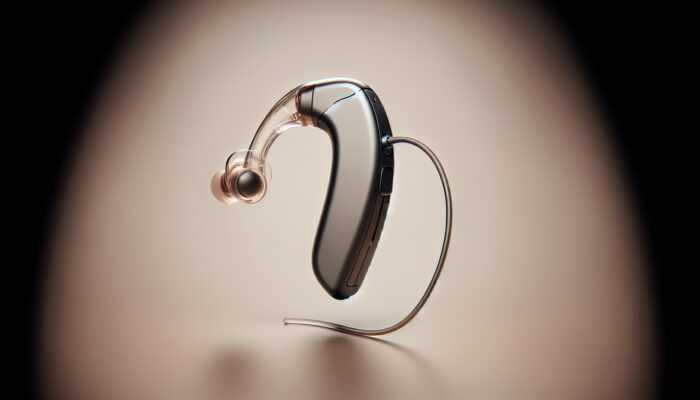
Categories
Health & Wellness Hearing Technology

IoT’s Influence on Hearing Health: A Comprehensive Overview

Last Updated on 21/04/2025 by Admin

Exploring the Transformative Impact of IoT on Hearing Health

The rapid advancement of technology has ushered in a revolutionary phase in healthcare, especially concerning hearing health. The impact of IoT on hearing health is substantial, enabling real-time monitoring and management of auditory conditions through a network of interconnected devices. To fully comprehend this transformative shift, it’s essential to first understand the concept of IoT and its implications in the medical field.

Understanding the Concept of IoT

The Internet of Things (IoT) represents an extensive network of interconnected devices that communicate and exchange data effortlessly. This network encompasses a wide array of devices, from everyday household appliances to specialized medical instruments. In the realm of healthcare, IoT is fundamentally changing how patient data is collected, analyzed, and utilized, significantly enhancing the quality of care and improving patient outcomes across various conditions, including those related to hearing.

By facilitating seamless communication between devices, the impact of IoT on hearing health is clearly visible. Picture a future where your hearing aid not only amplifies sounds but also monitors your auditory patterns and surrounding environments. This level of interconnectedness allows for comprehensive data collection and informed health decisions, ultimately leading to improved hearing health and enhanced quality of life.

Understanding the Crucial Role of IoT in Modern Healthcare

The role of IoT in contemporary healthcare is critical, as it provides essential tools for the continuous monitoring of various health conditions, including those affecting hearing. IoT devices are capable of collecting valuable data on patient behavior, environmental noise levels, and user experiences with their devices. This data is invaluable for healthcare professionals, as it aids in accurate diagnosis and the customization of interventions tailored to individual needs.

In the specific context of hearing health, these innovative devices can effectively track how different environments influence a person’s auditory capabilities. By analyzing the gathered data, audiologists can refine treatment plans, ensuring that interventions are not only personalized but also highly effective. This proactive approach to care encapsulates the essence of the impact of IoT on hearing health, illustrating how technology can enhance patient outcomes.

Recognizing the Importance of Hearing Health in Overall Well-Being

Hearing health is not just a component of overall well-being; it is fundamental to effective communication, cognitive function, and social engagement. Impaired hearing can lead to social isolation and cognitive decline, making proactive management essential for maintaining quality of life. The impact of IoT on hearing health aims to tackle these challenges head-on by providing innovative solutions that respond to individual needs and circumstances.

Thanks to advancements in IoT technology, monitoring and managing hearing health has become increasingly accessible. For example, individuals can now use smart hearing aids equipped with IoT functionalities that adjust settings according to surrounding noise levels, ensuring optimal hearing in various settings. This focus on enhancing hearing health not only improves life quality but also highlights the vital role that IoT plays in modern healthcare.

Innovative IoT Devices for Comprehensive Hearing Monitoring

The rise of IoT technologies has led to the creation of specialized devices specifically designed to monitor and enhance hearing health. These advancements are transforming the landscape of auditory care, providing users with unprecedented levels of support and responsiveness to their needs.

Diverse Types of IoT Hearing Devices Available Today

The market for IoT hearing devices is experiencing rapid growth, offering a range of options from smart hearing aids to cutting-edge cochlear implants. Smart hearing aids can connect seamlessly to smartphones, allowing users to customize their hearing experiences through dedicated mobile applications. These devices often feature automatic adjustments based on sound levels and environmental changes, significantly enhancing user comfort and overall auditory experience.

Moreover, cochlear implants have also advanced due to IoT technology. Some modern implants can be programmed and adjusted via mobile devices, enabling audiologists to provide remote adjustments to better cater to patient needs. The variety and sophistication of IoT hearing devices exemplify the impact of IoT on hearing health, making it easier than ever for individuals to actively manage their auditory well-being.

Understanding How IoT Devices Operate for Hearing Monitoring

IoT devices crafted for hearing monitoring operate using sophisticated sensors and algorithms that collect and transmit data to healthcare professionals. These devices measure various metrics, including sound exposure levels, frequency response, and even user satisfaction ratings. The data collected can then be analyzed to create a detailed profile of an individual’s hearing health, contributing to more effective treatment strategies.

When an IoT device detects significant shifts in hearing abilities or sound exposure levels, it alerts both the user and their healthcare provider in real time. This transformative capability allows for timely interventions that can prevent further deterioration of hearing health. Ultimately, this advancement represents a new paradigm in healthcare, showcasing the extensive impact of IoT on hearing health and its potential for enhancing patient care.

Exploring the Comprehensive Benefits of IoT in Hearing Monitoring

The advantages of utilizing IoT devices for hearing monitoring are vast and multi-dimensional. One of the most significant benefits is the capability for continuous monitoring, which allows for the early detection of hearing issues. By identifying problems before they escalate, healthcare professionals can implement preventive measures that enhance long-term auditory health and well-being.

Additionally, IoT devices enable the creation of personalized care plans tailored specifically to each user’s unique hearing profile. As these devices gather data over time, they can adjust their settings to ensure optimal performance in various situations, ultimately improving user satisfaction. This level of customization not only leads to better adherence to hearing health management plans but also promotes improved health outcomes overall.

Through continuous monitoring, early detection, and tailored care, the impact of IoT on hearing health is evident in the significant improvements it brings to individuals’ lives, enabling them to enjoy richer, more fulfilling auditory experiences.

Effective Data Collection and Analysis for Hearing Health Improvement

Data serves as the lifeblood of IoT devices, particularly within the domain of hearing health. The capacity to collect and analyze data efficiently is essential for improving patient outcomes and understanding individual health needs.

Methods for Gathering Comprehensive Hearing Data

IoT devices designed for hearing health come equipped with advanced sensors that collect a diverse range of auditory data. These devices can measure sound exposure levels, monitor hearing thresholds, and even gather user feedback regarding their hearing experiences. Such extensive data collection is crucial for assessing individual hearing health and identifying potential issues before they escalate.

For example, a smart hearing aid might monitor the total duration spent in noisy environments, offering valuable insights into how sound exposure impacts hearing health. Users can benefit from personalized recommendations based on their unique auditory environments, enabling proactive management of their hearing health. The robust data gathered significantly contributes to a deeper understanding of the impact of IoT on hearing health and informs targeted interventions.

Utilizing Advanced Techniques for Analyzing Hearing Data

After data collection, sophisticated algorithms come into play to analyze the information for patterns and trends. These algorithms can process large volumes of data, identifying subtle shifts in hearing capabilities that may remain unnoticed by users or healthcare providers. By employing machine learning techniques, these systems continuously enhance their analytical capabilities, allowing for more precise predictions regarding potential hearing loss.

Such comprehensive analyses empower healthcare professionals to devise targeted interventions based on empirical data rather than relying solely on anecdotal evidence. When this data-driven approach is combined with clinical assessments, it significantly elevates the quality of care provided to patients. The ability to analyze hearing data effectively showcases the transformative impact of IoT on hearing health and its potential to enhance patient outcomes.

Transforming Hearing Health Through Data Utilization

The culmination of effective data gathering and thorough analysis leads to actionable insights that can dramatically improve hearing health outcomes. By leveraging the data collected from IoT devices, healthcare providers can initiate tailored interventions that address the specific needs of individuals.

For instance, if an analysis indicates a trend of diminishing hearing thresholds in a patient, audiologists can recommend specific lifestyle adjustments or modifications to hearing devices. Furthermore, this data can inform broader public health initiatives aimed at raising awareness about hearing health, promoting preventive measures, and decreasing noise exposure within communities.

Ultimately, the ability to utilize data effectively stands as a cornerstone of the impact of IoT on hearing health. As this field continues to evolve, data-driven strategies will persist in driving advancements in auditory care and improving the quality of life for individuals globally.

Advancing Personalized Hearing Care with IoT

The future of hearing health lies in the realm of personalized care, with IoT technology leading the way in this transformation. By harnessing the power of technology, healthcare providers can develop tailored solutions that cater to the unique needs of each individual.

Innovations in Customizing Hearing Solutions

One of the most significant breakthroughs in hearing health is the capacity to customize hearing aids and other auditory devices according to individual specifications. With the help of IoT technology, audiologists can access extensive data on patients’ hearing patterns and preferences, enabling them to make precise adjustments to devices that enhance user satisfaction and effectiveness.

This level of customization significantly improves the user experience, allowing individuals to enjoy optimized hearing in diverse contexts, ranging from quiet conversations to bustling environments. As technology continues to advance, the ability to personalize hearing solutions will deepen further, reinforcing the impact of IoT on hearing health and fostering better auditory experiences for all.

The Rise of Adaptive Hearing Technologies

Adaptive hearing technologies mark a substantial leap forward in hearing care. These innovative devices can automatically adjust their settings based on real-time environmental changes, ensuring that users receive the most appropriate auditory support at any given moment. For instance, a smart hearing aid can discern between speech and background noise, amplifying desired sounds while minimizing distractions.

This adaptability not only enhances the user’s experience but also encourages greater participation in social situations. As these technologies continue to evolve, they will further highlight the transformative impact of IoT on hearing health, facilitating improved communication and interactions for individuals facing hearing challenges.

Enhancing the User Experience Through IoT Innovations

Enhancing the user experience is a fundamental objective of IoT in hearing health. Personalized care, adaptive technologies, and continuous monitoring all contribute to a more fulfilling auditory experience for individuals. When users feel that their devices meet their specific needs, they are more likely to adhere to their hearing health management plans.

Moreover, the overall journey from diagnosis to treatment becomes more seamless, fostering a sense of empowerment among users. By prioritizing user experience, the impact of IoT on hearing health can lead to improved health outcomes and an enhanced quality of life for numerous individuals across the globe.

Implementing Preventive Measures and Early Detection Strategies

Preventive measures and early detection are essential components of effective hearing health management. IoT technologies provide the necessary tools to proactively monitor auditory health and facilitate timely interventions.

Proactive Monitoring of Sound Exposure Levels

IoT devices play a crucial role in monitoring sound exposure, helping to avert hearing damage caused by excessive noise levels. By tracking ambient noise levels across various environments, users can receive alerts when sound exceeds safe thresholds. This proactive approach encourages individuals to take preventive actions, such as utilizing hearing protection or seeking quieter environments to safeguard their hearing.

Continuous monitoring of sound exposure proves especially beneficial for those at risk of noise-induced hearing loss, such as musicians, factory workers, and others frequently exposed to loud sounds. By integrating this technology into their daily lives, individuals can better protect their hearing health and maintain long-term auditory wellness, highlighting the significant impact of IoT on hearing health.

Facilitating Early Detection of Hearing Loss through IoT

The continuous monitoring capabilities of IoT devices enable the early detection of hearing loss, allowing for timely interventions that can mitigate further deterioration. Regular data collection equips healthcare professionals with insights into subtle changes in a patient’s hearing, often before the individual becomes aware of any issues.

Early detection is critical, as it dramatically increases the likelihood of successful intervention. Individuals can be guided toward appropriate treatments or lifestyle modifications, ensuring they maintain optimal auditory health. This proactive approach to hearing health exemplifies the transformative impact of IoT on hearing health and its role in enhancing patient care.

Raising Awareness About Hearing Health with IoT Technologies

IoT technologies are not only instrumental in monitoring individual health; they also play a vital role in raising awareness about the importance of hearing health on a broader scale. The information gathered from IoT devices can be analyzed to identify trends and patterns, shedding light on common challenges and issues faced by various populations.

By sharing insights and data, public health organizations can launch initiatives to educate communities about preventive measures and the significance of regular hearing check-ups. This emphasis on awareness and education exemplifies another facet of the impact of IoT on hearing health, promoting a culture of proactive auditory care that values prevention and early intervention.

The Importance of Regular Hearing Check-ups in Managing Hearing Health

Routine hearing assessments are essential for monitoring auditory health and detecting potential issues early on. IoT technologies can facilitate these check-ups by sending reminders and scheduling appointments based on individual user data. This seamless integration of technology ensures that individuals prioritize their hearing health and receive timely assessments, which are critical for effective management.

As a result, emphasizing regular check-ups will likely improve adherence to hearing health management plans. By making hearing assessments more accessible and integrating them into daily routines, the impact of IoT on hearing health becomes even more pronounced, ultimately leading to improved health outcomes and a better quality of life for individuals.

Implementing Effective Noise Reduction Strategies for Hearing Protection

Deploying noise reduction strategies is another vital aspect of safeguarding hearing health. IoT solutions can assist in mitigating ambient noise across various environments, thus fostering safer auditory spaces. For instance, smart noise-canceling technologies can be integrated into public spaces or workplaces to lower overall sound levels, thereby protecting individuals from potential hearing damage.

Such strategies contribute to creating a more conducive environment for those with hearing impairments while promoting healthier soundscapes for everyone. By leveraging IoT technologies for noise reduction, we can further amplify the impact of IoT on hearing health and cultivate communities that prioritize auditory wellness and health.

Ensuring Integration with Other Health Systems for Holistic Care

The integration of IoT devices into broader healthcare systems is vital for comprehensive health management. By connecting hearing health data with other health metrics, a more holistic approach to patient care can be achieved.

Enhancing Connections with Healthcare Providers through IoT

IoT devices streamline the communication between users and healthcare professionals, creating a more cohesive care experience. By integrating these devices with electronic health records, practitioners gain access to real-time data regarding a patient’s hearing health, allowing for more informed decision-making and treatment planning.

This connectivity promotes better collaboration among diverse health professionals, ensuring that auditory health is considered within the broader context of an individual’s overall health plan. Consequently, patients can receive more comprehensive care that addresses their unique health needs, highlighting the holistic impact of IoT on hearing health.

Facilitating Data Sharing Across Healthcare Platforms for Better Outcomes

The ability to share data across various healthcare platforms is another significant advantage of IoT integration. Information collected from hearing devices can be seamlessly transferred to other health systems, providing a comprehensive overview of an individual’s health. This data-sharing capability enhances the potential to identify correlations between hearing health and other medical conditions, leading to more effective and targeted interventions.

Such interconnectedness fosters a more cohesive approach to patient management, where every aspect of a patient’s health is taken into account. This integration showcases the transformative impact of IoT on hearing health, reinforcing the understanding that auditory health is integral to overall well-being and quality of life.

Enhancing Overall Health Outcomes through IoT Integration

Integrating IoT devices with other healthcare systems significantly bolsters overall health outcomes. By addressing hearing health as part of a comprehensive care strategy, healthcare providers can develop holistic treatment plans that consider the interconnections between various health aspects and conditions.

Research indicates that untreated hearing loss is often associated with cognitive decline and an increased risk of depression. By acknowledging these connections and addressing hearing health in conjunction with other medical conditions, healthcare providers can substantially improve quality of life and health outcomes for individuals. The multifaceted impact of IoT on hearing health underscores the necessity of a comprehensive approach to healthcare that prioritizes auditory health.

Addressing Challenges and Limitations in IoT for Hearing Health

Despite the numerous advantages that IoT brings to hearing health, several challenges and limitations must be addressed to ensure widespread adoption and effectiveness of these technologies.

Prioritizing Data Privacy and Security in IoT Devices

Data privacy and security are critical concerns in the realm of IoT, particularly when handling sensitive health information. The collection and transmission of hearing health data raise significant questions about how this information is stored and who has access to it. Ensuring robust encryption and security protocols is essential to safeguard users’ privacy and data integrity.

Healthcare providers and manufacturers must collaborate to establish best practices for data management, ensuring that individuals feel secure when sharing their information. By proactively addressing these concerns, the impact of IoT on hearing health can be maximized while maintaining user trust and safety.

Overcoming Technical Limitations in IoT Devices

While IoT technology has made remarkable strides, technical limitations still exist that can impede the effectiveness of hearing health devices. Challenges such as connectivity issues, device compatibility, and battery life can affect the usability and reliability of IoT solutions.

As technology continues to evolve, addressing these limitations will be crucial to ensure that devices operate optimally and meet user expectations. By overcoming these challenges, the impact of IoT on hearing health can reach its full potential, providing individuals with the necessary tools for effective auditory management.

Navigating Regulatory Compliance for IoT Hearing Health Devices

Navigating the complex landscape of international regulations and standards presents significant challenges for IoT hearing health devices. Manufacturers must comply with an array of laws concerning data privacy, device safety, and efficacy to ensure that their products meet necessary standards.

This regulatory environment can sometimes hinder innovation and limit the availability of new technologies. However, maintaining safety and effectiveness standards is essential to protect users. By fostering collaboration between regulators and industry stakeholders, the impact of IoT on hearing health can be enhanced while ensuring compliance with necessary regulations and standards.

Encouraging User Adoption and Ensuring Accessibility

User adoption and accessibility remain pivotal challenges for IoT hearing health solutions. Although technology offers significant benefits, it must be accessible to a diverse range of users, including individuals with varying levels of technical proficiency.

Education and support are vital in promoting the use of IoT devices. Providing clear instructions and resources can help users feel more confident in utilizing these technologies. By addressing accessibility issues, the impact of IoT on hearing health can be broadened, making it beneficial for a wider audience, thus enhancing overall public health outcomes.

Frequently Asked Questions (FAQs)

What types of IoT devices are available for hearing health management?

IoT devices for hearing health management include innovative smart hearing aids and cochlear implants that monitor hearing levels and automatically adjust settings based on user feedback and environmental conditions.

How does IoT technology enhance hearing health outcomes?

IoT improves hearing health by enabling continuous monitoring, facilitating early detection of hearing issues, and providing personalized care plans based on in-depth data analysis.

Can IoT devices actively prevent hearing loss?

Yes, IoT devices can help prevent hearing loss by monitoring sound exposure levels and alerting users when they are in potentially harmful auditory environments.

What specific data do IoT hearing devices collect for analysis?

IoT hearing devices gather data on sound exposure, hearing thresholds, user preferences, and environmental factors that may impact hearing health and well-being.

How do IoT devices facilitate personalized hearing care for users?

IoT devices allow for comprehensive customization based on individual user data, adapting settings for different environments and user preferences to enhance overall hearing experiences.

What challenges does IoT face in improving hearing health?

Challenges include concerns regarding data privacy, technical limitations in device functionality, regulatory compliance issues, and ensuring user adoption and accessibility of the technologies.

How can IoT devices enhance the overall user experience in hearing health?

By providing tailored solutions, adaptive technologies, and continuous monitoring, IoT devices improve user satisfaction and encourage adherence to effective hearing health management plans.

What role does data analysis play in advancing hearing health?

Data analysis is crucial for detecting trends and patterns in hearing health, enabling healthcare providers to develop targeted interventions and improve overall health outcomes for patients.

How can IoT technologies help raise public awareness about hearing health?

IoT can elevate awareness by providing insightful data that informs public health campaigns focused on the importance of hearing health and the implementation of preventive measures.

Are IoT devices secure from data breaches?

While IoT devices are equipped with security measures, data privacy and security remain significant concerns, necessitating the implementation of robust encryption protocols and management practices to protect user data.

Discover more about our innovations on X!

The post IoT’s Influence on Hearing Health: A Comprehensive Overview appeared first on The Microsuction Ear Wax Removal Network.