Categories
Health & Wellness Hearing Devices

Signia Pure Charge&Go BCT IX BTE Hearing Aids Review

The Signia Pure Charge&Go BCT IX represents a top-of-the-range rechargeable receiver-in-canal (RIC) hearing aid, meticulously crafted to enhance speech understanding, offer universal Bluetooth connectivity, and provide intelligent hearing support in various everyday listening scenarios. Utilising Signia’s Integrated Xperience (IX) platform, the Pure Charge&Go BCT IX seamlessly merges RealTime Conversation Enhancement technology, Bluetooth Classic streaming, and AI-driven sound processing, empowering users to experience clearer conversations and effortless connectivity across multiple devices.

In contrast to many hearing aids that depend on limited Bluetooth protocols, the Pure Charge&Go BCT IX boasts support for Bluetooth Classic connectivity. This feature facilitates direct pairing with a broader array of smartphones, tablets, laptops, and other Bluetooth-enabled devices.

Price: Starting from approximately £1,995.00 per aid, depending on the technology level, fitting package, and accessories.


What Distinguishes the Signia Pure Charge&Go BCT IX?

The Signia Pure Charge&Go BCT IX is a rechargeable RIC hearing aid specifically designed for users seeking exceptional speech clarity and extensive Bluetooth compatibility within a sleek, modern device.

Harnessing the power of Signia’s Integrated Xperience platform, these hearing aids constantly analyse conversations and environmental sounds in real-time, enhancing speech clarity while minimising listening effort.

The term “BCT” refers to Bluetooth Classic Technology, enabling these hearing aids to establish direct connections with many devices without relying solely on the newer Bluetooth Low Energy protocols.

This feature makes the Pure Charge&Go BCT IX particularly appealing for users who desire simplified streaming compatibility across:

  • Android devices
  • iPhones
  • Tablets
  • PCs and laptops
  • Televisions and media devices

Notable Features of the Signia Pure Charge&Go BCT IX

RealTime Conversation Enhancement Technology

The IX platform tracks multiple speakers continuously, adjusting hearing support in real-time to significantly improve speech understanding during conversations.

Bluetooth Classic Connectivity Advantage

The Pure Charge&Go BCT IX provides direct Bluetooth Classic streaming, ensuring broad compatibility with a diverse range of Bluetooth-enabled devices.

Exceptional Speech Clarity in Noisy Environments

Advanced AI sound processing effectively separates speech from background noise, enhancing clarity in bustling settings such as restaurants and meetings.

Reliable Rechargeable Battery System

The integrated rechargeable battery guarantees dependable all-day performance without the need for disposable batteries.

Discreet Receiver-in-Canal (RIC) Design

The subtle RIC design offers an excellent balance of aesthetic appeal, comfort, and high-quality sound delivery.

Intelligent Signia Assistant AI

The AI-driven Signia Assistant customises hearing settings and optimises sound performance over time, ensuring a tailored listening experience.

Natural Sound with Own Voice Processing

Own Voice Processing technology enhances the naturalness and comfort of the wearer’s voice during conversations.

Smartphone App for Enhanced Control

Users can manage volume, personalise settings, handle streaming, and access support features effortlessly through the Signia app.


Advantages of the Signia Pure Charge&Go BCT IX Hearing Aids

Expanded Bluetooth Compatibility

The support for Bluetooth Classic facilitates easier direct streaming with a wider variety of devices compared to many standard hearing aid Bluetooth systems.

Enhanced Performance in Group Conversations

RealTime Conversation Enhancement significantly boosts speech clarity during social events, meetings, and in noisy public spaces.

Minimised Listening Fatigue

Automatic AI-driven sound adjustments help alleviate mental strain during prolonged conversations.

Smooth Streaming Experience

Users can enjoy direct streaming for phone calls, music, podcasts, television audio, and other media content.

Comfortable for Daily Use

The lightweight RIC design ensures discreet and comfortable wear throughout the day.

Convenient Rechargeable Design

The rechargeable system removes the hassle of disposable batteries while ensuring dependable daily performance.


What Do Users Say About the Signia Pure Charge&Go BCT IX?

Numerous users commend the Pure Charge&Go BCT IX for its robust Bluetooth compatibility and consistent streaming performance across various devices. Reports suggest that these hearing aids pair more effortlessly with laptops and older Bluetooth devices compared to some rival models.

Users frequently highlight the enhanced speech clarity in social contexts and express satisfaction with the combination of discreet design and advanced technological features.

Some users indicate that the advanced IX technology yields the best results when professionally tailored to meet individual hearing requirements.


Who Will Benefit Most from the Signia Pure Charge&Go BCT IX?

The Signia Pure Charge&Go BCT IX is particularly suitable for:

  • Individuals seeking universal Bluetooth streaming compatibility
  • Active adults with vibrant social or professional lives
  • People who struggle with speech clarity in noisy settings
  • Users desiring rechargeable premium hearing aids
  • Individuals who prioritise streaming and connectivity features

Overview of the Signia Pure Charge&Go BCT IX

The Signia Pure Charge&Go BCT IX combines cutting-edge speech enhancement, AI-driven conversation tracking, convenient rechargeable functionality, and Bluetooth Classic connectivity in a discreet receiver-in-canal hearing aid design. Powered by Signia’s Integrated Xperience platform, it ensures clearer conversations, robust wireless compatibility, and modern streaming capabilities for users seeking premium connected hearing technology.

Categories
Health & Wellness Hearing Devices

Rexton Reach BTE Hearing Aids: Enhanced Sound Experience

The Rexton Reach B-Li is a state-of-the-art rechargeable behind-the-ear (BTE) hearing aid, meticulously engineered to deliver exceptional amplification, advanced speech enhancement, and consistent hearing support for individuals experiencing moderate to profound hearing loss. Leveraging Rexton’s innovative Reach platform, the Reach B-Li integrates AI-driven sound processing, Bluetooth connectivity, and rechargeable functionality into a user-friendly BTE format.

Available in a variety of technology levels, the Reach B-Li allows users to select the appropriate tier of speech enhancement, environmental adaptability, and noise reduction tailored to their personal lifestyle and hearing requirements.


Explore the Available Technology Levels for Reach B-Li:

Reach 80 (Premium)
Reach 60 (Advanced)
Reach 40 (Mid-Level)
Reach 30 (Lower Mid-Level)
Reach 20 (Essential)


What Are the Key Features of the Rexton Reach B-Li?

The Rexton Reach B-Li is designed for users who require effective amplification, dependable battery life, and enhanced speech clarity in a variety of listening situations.

Developed with technology closely aligned with the Signia IX platform, the Reach B-Li excels in:

  • Enhancing speech clarity in noisy environments
  • Facilitating group conversation dynamics
  • Providing robust amplification
  • Offering Bluetooth streaming capabilities
  • Ensuring reliable performance throughout the day
  • Delivering comfort and ease of use

These hearing aids cater to those with moderate to profound hearing loss and are suitable for both tranquil and active lifestyles.


In-Depth Overview of Rexton Reach Technology Levels

Reach 80 (Premium Tier)

This model represents the pinnacle of the Reach B-Li range, offering the most advanced speech enhancement, superior noise reduction, and the highest degree of automatic environmental adaptation. Order now!

Tailored for users who often find themselves in challenging listening scenarios such as restaurants, social events, meetings, and bustling public settings, the Reach 80 ensures outstanding speech-in-noise performance and sophisticated directional processing.

Ideal For:

  • Dynamic lifestyles
  • Frequent group discussions
  • Vibrant social venues
  • Those seeking top-tier hearing capabilities

Reach 60 (Advanced Tier)

This high-performance model provides exceptional speech clarity, refined noise management, and reliable everyday listening support. Order now!

The Reach 60 incorporates many features from the Reach 80 while remaining budget-friendly. It is perfect for users who frequently navigate moderately noisy environments and engage in regular social interactions.

Ideal For:

  • Moderately noisy surroundings
  • Regular social engagements
  • Consistent daily hearing support
  • Great value without compromising performance

Reach 40 (Mid-Level Tier)

This model offers balanced performance for everyday hearing, ensuring reliable speech clarity and moderate noise reduction. Order now!

The Reach 40 is designed for comfortable daily listening, making it ideal for home conversations, watching television, shopping trips, and casual social interactions.

Ideal For:

  • Daily listening needs
  • Family discussions at home
  • Casual social gatherings
  • A balance of quality and affordability

Reach 30 (Lower Mid-Level Tier)

This model provides dependable mid-range performance with essential speech enhancement and balanced environmental adaptability. Order now!

The Reach 30 is suited for users who primarily engage in quieter or moderately active listening situations.

Ideal For:

  • Quiet to moderately active environments
  • Everyday conversations
  • Light social interactions
  • Value-conscious individuals

Reach 20 (Essential Tier)

This entry-level model caters to those with simpler hearing requirements, ideal for quieter lifestyles. Order now!

The Reach 20 provides fundamental speech enhancement and reliable hearing support for users mainly in low-noise settings.

Ideal For:

  • Quiet living environments
  • First-time hearing aid users
  • One-on-one conversations
  • Basic hearing support

Significant Features of the Rexton Reach B-Li

Rechargeable Lithium-Ion Battery

This battery provides reliable, all-day hearing assistance without the need for disposable batteries.

Powerful BTE Amplification

Engineered for those with moderate to profound hearing loss, this model delivers enhanced sound output.

Bluetooth Streaming Capabilities

Users can enjoy seamless streaming of:

  • Phone calls
  • Music
  • Television audio
  • Podcasts
  • Other media content

Directly from compatible smartphones and devices.

Speech Preservation Technology

This technology enhances speech comprehension while minimising distracting background noise.

AI-Assisted Sound Processing

The Reach platform automatically adapts hearing settings to suit changing environments.

Directional Microphone System

This system helps focus on speech while minimising surrounding noise in busy settings.

Smartphone App Compatibility

The Rexton app allows users to customise settings and manage hearing aid controls effortlessly.

Durable and Comfortable Design

The BTE style offers reliability, a comfortable fit, and ease of handling compared to smaller hearing aid options.


Rexton Reach B-Li Technology Comparison Overview

Feature Reach 80 Reach 60 Reach 40 Reach 30 Reach 20
Technology Level Premium Advanced Mid-Level Lower Mid-Level Essential
Speech in Noise Excellent Very good Good Good Basic–good
Noise Reduction Maximum Strong Moderate Balanced Basic
Automatic Adjustments Most advanced Advanced Moderate Moderate-basic Basic
Group Conversation Performance Excellent Very good Good Moderate-good Moderate
Directional Processing Premium Advanced Standard Balanced Basic
Environmental Adaptation Most refined Strong Moderate Balanced Basic
Streaming Features Full Full Full Full Full
Best For Active social users Regular social users Everyday use Moderate everyday environments Quiet lifestyles

Advantages of Rexton Reach B-Li Hearing Aids

Enhancing Clarity in Conversations

The Reach platform significantly improves users’ ability to hear speech naturally, whether in serene or bustling environments.

Robust Amplification Support

The BTE configuration delivers powerful amplification designed for significant hearing loss.

Dependable Rechargeable Convenience

The rechargeable battery system reduces the hassle of disposable batteries and provides all-day usability.

Comprehensive Connectivity Features

Bluetooth streaming facilitates effortless connections to smartphones, media devices, and televisions.

Comfortable and Easy to Handle

The BTE design is easier to manage and maintain compared to smaller hearing aid styles.

Diverse Technology Options

Users can select the technology tier that aligns best with their hearing needs and financial considerations.


Who Will Benefit Most from the Rexton Reach B-Li?

The Rexton Reach B-Li is particularly suitable for:

  • Individuals with moderate to profound hearing loss
  • Adults seeking rechargeable Bluetooth hearing aids
  • Users requiring enhanced amplification
  • People facing challenges with speech clarity in noisy settings
  • Those preferring dependable BTE hearing aids

Comprehensive Summary of Rexton Reach B-Li

The Rexton Reach B-Li seamlessly combines powerful amplification, the convenience of rechargeable technology, Bluetooth streaming capabilities, and advanced speech enhancement within a robust behind-the-ear hearing aid design. With a range of technology levels from Reach 20 to Reach 80, users can select the optimal hearing performance that aligns with their lifestyle, listening environments, and unique hearing requirements, all while enjoying consistent everyday support.

Categories
Health & Wellness Hearing Devices

Hearing Aids Improve Speech Clarity and Communication Skills

Mastering the Fundamental Components of Speech Clarity

Identifying the Essential Elements of Speech Clarity

Speech clarity is a vital aspect of effective communication, emphasising the distinction and understandability of spoken language. It goes beyond merely perceiving sounds; it encompasses grasping the message being shared. Key factors that enhance the clarity of speech include articulation, appropriate intonation, and a distraction-free environment. For individuals with hearing impairments, the ability to make sense of these sounds can greatly influence their daily interactions and overall quality of life. Pursuing optimal speech clarity fosters smoother conversations, enriching both personal connections and professional relationships, and contributing to a more interconnected existence.

Understanding the Importance of Speech Clarity in Everyday Life

The importance of clear speech is significant across various aspects of life, affecting everything from personal relationships to workplace interactions. In social contexts, effective communication builds connections, reduces misunderstandings, and cultivates trust among individuals. For professionals, clarity in speech is essential for delivering impactful presentations, engaging in successful negotiations, and promoting teamwork, ultimately enhancing career opportunities. Articulate speech also boosts an individual’s confidence, making them feel more competent in diverse social situations. The ability to communicate clearly not only facilitates better emotional expression but also contributes to improved mental well-being, underscoring the extensive advantages of speech clarity.

Recognising and Addressing Barriers to Speech Clarity

Various challenges can hinder speech clarity, including background noise, hearing loss, and specific speech disorders. In bustling environments, such as restaurants or busy streets, overwhelming sounds can obscure crucial conversational elements, making it difficult to follow spoken dialogue. With millions affected by hearing loss globally, individuals may struggle with muffled auditory inputs and distorted speech, complicating communication efforts. speech disorders like stuttering or dysarthria can further impair clarity, resulting in frustration for both speakers and listeners. Recognising these challenges is the first step toward implementing effective solutions, such as the use of hearing aids, to enhance communication.

Effective Strategies for Improving Speech Clarity

A speech therapist guiding a client in a serene room with articulation diagrams and a hearing aid on a table.

Enhancing speech clarity can be accomplished through various techniques, including articulation exercises, breathing techniques, and structured speech therapy. Articulation exercises specifically address the accurate formation of sounds, significantly improving intelligibility. Breathing methods are crucial for managing the flow of speech, allowing individuals to articulate their thoughts with greater clarity and assurance. professional speech therapy provides customised guidance and exercises tailored to each individual’s unique challenges, empowering them to overcome barriers. When combined with modern technology, such as hearing aids, these strategies can substantially enhance communication effectiveness and clarity.

How Technology Is Revolutionising Speech Clarity

Technological advancements have profoundly transformed the approach to enhancing speech clarity. State-of-the-art hearing aids now feature sophisticated functionalities that improve sound quality, ensuring that conversations remain intelligible even in distracting settings. Tools like speech-to-text software and noise-cancellation technologies enable users to engage fully in discussions, effectively bridging the communication gap caused by hearing impairments or environmental noise. With these innovations, individuals can enjoy a richer auditory experience, enhancing their ability to connect with others and participate meaningfully in both social and professional environments.

Understanding the Functionality of Hearing Aids

Exploring How Hearing Aids Operate

A close-up of a hearing aid capturing and amplifying sound waves for a person's ear.

Hearing aids serve as essential tools for individuals experiencing hearing loss, as they amplify sound to facilitate better comprehension of auditory information. Their primary function involves capturing sound through built-in microphones, converting it into digital signals, and amplifying these signals for delivery to the ear. This amplification process enables users to perceive sounds that may have previously been inaudible, fostering a clearer understanding of speech and enriching their overall auditory experience. The effectiveness of hearing aids can vary based on individual needs and the extent of hearing loss, yet they remain vital instruments for enhancing quality of life.

Exploring Various Types of Hearing Aids to Suit Different Needs

A diverse range of hearing aid models is available, each specifically designed with unique features to meet different user needs and preferences. Behind-the-ear (BTE) models are widely appreciated for their user-friendly design and adaptability. In-the-ear (ITE) aids are custom-fitted, providing a more discreet option, while completely-in-canal (CIC) hearing aids, though less visible, offer a more natural auditory experience. Each type presents its own advantages and disadvantages, allowing users to choose based on comfort, visibility, and amplification needs. Understanding these options is essential for individuals seeking to effectively and comfortably enhance their speech clarity.

The Influence of Technology on Modern Hearing Aids

Contemporary hearing aids utilise digital signal processing technology to significantly improve sound quality and speech clarity. This advanced technology enables precise adjustments based on each user’s unique hearing profile, optimising the amplification of speech frequencies while minimising background noise. Many modern devices include advanced features such as feedback suppression, which eliminates annoying whistling sounds, and automatic adjustments that respond to changing environmental conditions. As hearing aid technology continues to evolve, users benefit from ongoing enhancements that enrich their auditory experiences, making communication more effective and enjoyable.

Optimising Speech Clarity with Hearing Aids

Understanding the Advantages of Noise Reduction Features

Noise reduction is a pivotal feature in modern hearing aids, specifically designed to filter out unwanted background noise while amplifying speech clarity. Through advanced algorithms, these devices can distinguish between speech and ambient sounds, enabling users to focus on conversations without distractions. This capability is particularly beneficial in noisy environments, such as bustling cafés or crowded workplaces, where background chatter can obscure vital verbal nuances. The ability to prioritise essential sounds paves the way for more meaningful and engaging interactions, empowering users to confidently participate in social situations.

Improving Conversations with Directional Microphones

Directional microphones are another innovative feature that significantly enhances speech clarity in hearing aids. These microphones are designed to focus on sounds coming from specific directions, typically from the front, allowing users to concentrate on conversations even in lively settings. By reducing sounds from other directions, users can effectively isolate dialogue, making it easier to comprehend what is being communicated without excessive effort. This technology greatly enhances the overall user experience, particularly in social gatherings or meetings, where multiple conversations may occur simultaneously. For individuals aiming to improve their communication skills, the introduction of directional microphones is truly transformative.

Leveraging Frequency Compression for Enhanced Understanding

Frequency compression technology is crucial for improving speech comprehension, especially for individuals experiencing high-frequency hearing loss. It works by compressing high-frequency sounds into lower frequencies that users can hear more effectively. This modification preserves important speech cues, such as consonants, which are essential for language comprehension. By adjusting sound to a more accessible range, frequency compression empowers individuals to engage more fully in conversations and interactions, thereby enhancing their overall communication abilities. This technology exemplifies how hearing aids can be precisely customised to meet specific auditory needs.

The Multifaceted Advantages of Improved Speech Clarity

Enhancing Social Connections Through Clear Communication

Improved speech clarity can significantly transform social interactions, enabling individuals to communicate more effectively and confidently. Clearer speech reduces the risk of misunderstandings and encourages genuine conversations, fostering deeper connections among friends, family, and colleagues. In various social settings, from casual outings to formal events, the ability to articulate thoughts and respond clearly contributes to more enjoyable and fulfilling interactions. As relationships flourish through enhanced communication, individuals experience a greater sense of belonging and emotional well-being, highlighting the profound impact of how hearing aids enhance speech clarity.

Enhancing Professional Success Through Clear Speech

In a professional environment, enhanced speech clarity can lead to increased productivity and greater self-assurance. Clear communication is crucial for effective collaboration, impactful presentations, and successful negotiations, where misunderstandings can result in costly errors. The ability to express ideas and engage in discussions with clarity not only enhances job performance but also opens doors to career advancement opportunities. Employers benefit as well; teams made up of members who communicate effectively tend to demonstrate greater cohesion and creativity. investing in technologies that improve speech clarity, such as hearing aids, is a prudent choice for both individuals and organisations aspiring to succeed.

Supporting Emotional Well-being Through Effective Communication

The link between communication and emotional well-being is undeniable. When individuals can articulate their thoughts clearly and understand others without barriers, it fosters a sense of empowerment and alleviates feelings of isolation. Enhanced speech clarity through hearing aids reduces frustration in social situations, allowing users to engage more comfortably and freely. This improved communication capability supports positive mental health, nurturing relationships that are essential for emotional support and resilience. the benefits of enhanced speech clarity extend far beyond practical communication, significantly enriching the emotional lives of individuals.

Adjusting to Life with Hearing Aids

Navigating the Initial Adjustment Period

Adjusting to hearing aids signifies a substantial transition that requires patience and time. Many users face an initial adaptation period where they must become accustomed to the new sounds and sensations provided by their hearing aids. It is common to feel overwhelmed by a surge of auditory information, ranging from subtle environmental sounds to the full range of conversations. This adjustment phase can vary from a few days to several weeks, influenced by personal experiences and the extent of hearing loss. Approaching this period with an open mind is crucial for maximising the benefits of enhanced speech clarity.

Customisation and Fine-tuning by Professionals

Professional adjustments and fine-tuning are essential steps in optimising hearing aids to cater to individual needs. Audiologists play a critical role in this process, customising settings based on the user’s specific hearing profile and lifestyle. Fine-tuning may involve modifying sound levels, frequency responses, and noise reduction features to ensure optimal clarity across various environments. This customisation is vital for maximising the effectiveness of hearing aids, as it allows users to experience tailored solutions that address their unique auditory challenges. Regular follow-ups with audiologists can further enhance hearing aid performance over time, ensuring lasting satisfaction.

Ensuring Continuous Support and Maintenance for Hearing Aids

Regular check-ups and maintenance are crucial for ensuring that hearing aids continue to function effectively. Users should arrange periodic appointments with audiologists to assess the performance of their devices and make any necessary adjustments. Maintenance tasks may include cleaning, battery replacements, and software updates to improve performance and longevity. By prioritising these ongoing support measures, users can enjoy consistent speech clarity and an enhanced auditory experience, minimising the likelihood of frustration or communication barriers over time.

Strategies for Adapting to Varied Environments

Learning to effectively use hearing aids in different settings is essential for maximising their benefits. Users should develop adaptation strategies, such as choosing optimal seating arrangements in noisy restaurants or employing assistive listening devices in larger venues. Familiarising oneself with various listening environments can build confidence in engaging in conversations. techniques like focusing on the speaker’s lips during discussions can further enhance sound clarity in challenging contexts. Mastering these strategies can significantly improve overall satisfaction with hearing aids and the communication experiences they facilitate.

Addressing Psychological Adjustments and Counselling Needs

The psychological aspects of hearing loss can present challenges for many users, making emotional support and counselling vital to the adjustment process. Coping with hearing loss may evoke feelings of frustration, isolation, and anxiety, adversely affecting an individual’s mental health. Seeking assistance from professionals who specialise in auditory-related psychological issues can provide valuable coping strategies and support systems. Counselling can empower users to view their hearing aids as tools for connection rather than limitations. This holistic approach to adjustment not only enhances speech clarity but also fosters resilience and emotional health.

Innovations in Hearing Aid Technology

The Groundbreaking Integration of Artificial Intelligence

The incorporation of artificial intelligence (AI) into hearing aids marks a significant advancement in enhancing speech clarity. AI technology allows hearing aids to analyse sound environments in real-time, automatically adjusting settings to optimise clarity based on surrounding noise levels and types of sounds. This capability greatly enhances the user experience, simplifying navigation through different auditory environments, from quiet meetings to lively social gatherings. As AI technology continues to evolve, the potential for further innovations in hearing aids holds the promise of even greater improvements in communication effectiveness and user satisfaction.

Wireless Connectivity for Effortless Communication

Wireless connectivity in hearing aids enables seamless integration with smartphones and other devices, enhancing speech clarity through direct streaming capabilities. This feature facilitates clear communication during phone calls, video conferences, and audio streaming, offering users a more immersive auditory experience. By connecting to various devices, hearing aids can automatically adjust settings according to context, further improving clarity in conversations. This level of connectivity empowers users to engage with modern communication methods without the barriers that traditional hearing aids may impose, significantly enhancing their social interactions and daily experiences.

Future Trends in Hearing Aid Technology

Continuous research in hearing aid technology suggests promising innovations aimed at improving speech clarity. Emerging trends include the development of smaller, more discreet devices equipped with advanced functionalities, such as enhanced noise-cancellation and improved sound processing algorithms. Innovations in battery technology may also lead to longer-lasting devices with quicker charging capabilities. As these advancements unfold, they will further empower individuals with hearing loss, allowing them to enjoy clearer communication and richer auditory experiences, thus transforming their interactions with the world.

Guidelines for Choosing the Right Hearing Aid

Evaluating Personal Needs for Optimal Hearing Aid Selection

Selecting the appropriate hearing aid begins with a thorough assessment of individual needs. Audiologists evaluate the severity of hearing loss, lifestyle preferences, and personal objectives to recommend the most suitable hearing aid model. This tailored approach ensures that users receive devices aligned with their unique auditory requirements, maximising the potential for improved speech clarity. Factors such as budget, desired features, and aesthetic preferences also play a significant role in the decision-making process. By understanding their specific needs, users can make informed choices that lead to more effective communication solutions and overall satisfaction.

The Importance of Trial Periods and Demonstrations

Trial periods and demonstrations are vital components of the hearing aid selection process. Many audiologists offer opportunities for users to try out different models, allowing them to experience firsthand how each device enhances speech clarity in real-world situations. This practical approach helps users assess their comfort levels, evaluate sound quality, and determine which features best suit their lifestyles. Engaging in trial periods empowers individuals to make confident decisions, ensuring they choose hearing aids that genuinely meet their needs and preferences for optimal communication.

Understanding Costs and Insurance Considerations in Hearing Aid Selection

Gaining a clear understanding of the costs associated with hearing aids is essential for prospective users. Prices can vary significantly based on the features, technology, and brand of the device. insurance coverage for hearing aids can differ greatly, with some plans offering partial reimbursement while others may not cover expenses at all. Individuals should explore their insurance options and consider financial assistance programmes when budgeting for hearing aids. By being well-informed about costs and insurance considerations, users can navigate the financial landscape more effectively, ensuring access to the best solutions for their hearing needs.

Common Inquiries Regarding Hearing Aids

What are the key advantages of using hearing aids?

Hearing aids primarily enhance speech clarity, improve social interactions, boost confidence in professional environments, and contribute to overall emotional well-being. They make communication more accessible, significantly enriching the user’s quality of life and social engagement.

In what way do hearing aids improve speech clarity?

Hearing aids enhance speech clarity by amplifying sound, minimising background noise, and incorporating features such as directional microphones and frequency compression, allowing users to focus on conversations even in challenging auditory environments.

Do all hearing aids come with the same features?

No, hearing aids vary significantly in features based on models and brands. Some may include advanced options like noise reduction, wireless connectivity, and artificial intelligence integration, while others may focus primarily on basic amplification functionalities.

How long does it typically take to adjust to wearing hearing aids?

The adjustment period differs among individuals but typically ranges from a few days to several weeks. Users may initially experience an overwhelming sensation as they adjust to new sounds and auditory information.

Can hearing aids assist with background noise?

Yes, many modern hearing aids incorporate noise reduction features that help filter out background noise, allowing users to focus more effectively on speech and important sounds in their surroundings.

What factors should I take into account when choosing a hearing aid?

Consider factors such as the severity of hearing loss, lifestyle preferences, comfort, desired features, and budget. Consulting with an audiologist can provide valuable insights tailored to individual needs, ensuring the best choice of hearing aids.

Are hearing aids covered by insurance?

Coverage for hearing aids varies widely among insurance plans. Some may offer partial reimbursement, while others may not provide coverage at all. It is essential to verify with your provider for specific coverage details.

What advancements are being made in hearing aid technology?

Recent advancements include the integration of artificial intelligence, improved noise cancellation, and enhanced wireless connectivity, all aimed at enhancing user experience and speech clarity in diverse environments.

How often should I have my hearing aids checked?

Regular check-ups are recommended every six months to maintain optimal functionality. This includes cleaning, maintenance checks, and potential adjustments to accommodate any changes in hearing needs.

Can I wear my hearing aids while exercising?

Yes, many hearing aids are designed to withstand sweat and moisture. it is advisable to consult with your audiologist regarding specific models that are best suited for active lifestyles and physical activities.

Follow our journey on X!

The post Hearing Aids Enhance Communication and Speech Clarity appeared first on The Microsuction Ear Wax Removal Network.

Originally posted 2025-05-08 03:12:21.

The post Hearing Aids Improve Speech Clarity and Communication Skills appeared first on Healthcare Marketing Service.

Categories
Health & Wellness Hearing Devices

Hearing Aid Connectivity Paving the Way for a Universal Future

Last Updated on 01/05/2025 by Admin

Transforming Hearing Aids Through Advanced Wireless Technology

The realm of hearing aid technology is experiencing a significant evolution, propelled by remarkable innovations in wireless technology. These advancements are reshaping the auditory experience for users worldwide. At the heart of this transformation is the improved connectivity that is revolutionising how individuals with hearing impairments interact with their surroundings. A pivotal aspect of this development is the enhanced use of Bluetooth technology, which is broadening the range and stability of audio streaming directly to hearing aids. In the past, users faced numerous connectivity issues, but groundbreaking solutions are now emerging to provide a seamless auditory experience that enriches their daily lives.

Optimising Bluetooth Features for Superior Hearing Experiences

Recent advancements in Bluetooth technology are dramatically changing the experiences of those who use hearing aids. Historically, users frequently dealt with connectivity interruptions and unsatisfactory audio quality. the latest improvements offer enhanced range, allowing users to maintain a stable connection over longer distances without compromising sound quality. This enhancement is crucial for individuals who lead dynamic lifestyles or frequently socialise in larger venues, where distance from their devices can disrupt communication.

For instance, state-of-the-art hearing aids equipped with Bluetooth Low Energy (BLE) technology facilitate reliable connections to smartphones, televisions, and a variety of electronic devices with exceptional stability. This functionality is particularly beneficial in lively environments such as busy restaurants or lecture halls, where background noise can complicate the listening experience. The upgraded Bluetooth capabilities not only improve connectivity but also enable users to customise their hearing settings through smartphone applications. This level of control empowers individuals to tailor their auditory experiences to meet their specific needs, underscoring the transformative effects of these advancements on the industry.

Energy-Efficient Low Energy Protocols Revolutionising Hearing Aids

The growing adoption of low energy protocols signifies a crucial moment in the evolution of hearing aid technology. These protocols are specifically designed for energy efficiency, greatly extending the battery life of hearing devices. Manufacturers are increasingly recognising that longer battery life directly enhances user satisfaction, making hearing aids more convenient and reliable for everyday use.

Globally, users are reaping the benefits of these innovations, particularly in areas where access to replacement batteries can be problematic. With energy-efficient designs, modern hearing aids can function for longer periods between charges, alleviating the constant worry of needing frequent battery replacements. This aspect of contemporary hearing aids aligns perfectly with the ongoing movement towards sustainability and user convenience, as it enables individuals to enjoy the freedom of not being tied to regular charging schedules.

The integration of low energy protocols significantly enriches the overall user experience by ensuring ongoing connectivity with various devices. This means users can fully engage in their activities without the anxiety of battery depletion, whether attending a concert in Sydney or giving a presentation in London.

Effortless Multi-Device Connectivity to Enhance User Interaction

The ability to connect hearing aids to multiple devices simultaneously represents a revolutionary leap in hearing technology. Today’s hearing aids allow users to switch effortlessly between devices without the need for manual adjustments, streamlining the user experience across smartphones, televisions, and computers. This feature offers an unprecedented level of convenience and significantly enriches the overall user experience.

Imagine enjoying your favourite programme on a smart TV while also receiving a call on your smartphone. With the latest hearing aids, the audio from the television can be paused automatically, allowing you to take the call directly through your hearing devices. This integration simplifies everyday tasks and enhances interactions, enabling users to navigate seamlessly between devices without missing essential information or conversations.

This multi-device functionality is especially beneficial in professional settings, where users may need to transition between conference calls, video meetings, and presentations. The capability to connect to multiple devices simultaneously facilitates a smoother workflow, ensuring that no critical information is overlooked. As technology continues to advance, the potential for even more sophisticated multi-device connectivity will redefine user expectations and boost productivity.

Integrating Hearing Aids with Smart Devices for Greater Control

As technology progresses, the integration of hearing aids with smart devices is becoming increasingly significant. This evolution goes beyond mere connectivity; it aims to create a holistic auditory experience that enhances control, personalisation, and accessibility for users across the globe. The capacity for hearing aids to work seamlessly with smartphones, smart home systems, and wearable technologies heralds a new era of hearing solutions.

Harnessing Smartphone Compatibility to Enhance Hearing Aids

Smartphones have become an integral part of daily life, and their compatibility with hearing aids is transforming the user experience. Modern hearing aids are specifically designed to connect effortlessly with smartphones, enabling users to personalise their settings with ease. Through dedicated applications, users can adjust volume levels, sound profiles, and even access features such as noise reduction in real-time.

For individuals in bustling urban settings like Tokyo or New York, this compatibility translates into greater control amid noisy environments. Adjusting settings directly from their phones allows users to enhance speech clarity while reducing distracting background noise, creating a personalised auditory environment tailored to their specific surroundings.

These applications often feature user-friendly interfaces that make navigation simple for users of all ages. This level of accessibility is crucial in promoting independence among those with hearing impairments, enabling them to manage their hearing devices without needing external assistance. The ability to control hearing aids via smartphones marks a significant advancement in empowering users and aligning technology with their lifestyle needs.

Improving Home Life Through Smart Home Integration

The integration of hearing aids with smart home systems represents another exciting frontier in connectivity. Imagine a scenario where your hearing aids are directly connected to your home’s smart devices, allowing automatic adjustments based on your environment. When someone rings the doorbell or your phone receives a call, your hearing aids can alert you with a gentle amplification of these sounds, ensuring you never miss important notifications.

Such integration not only enhances awareness but also promotes independence for users within their homes. Individuals living alone or those facing mobility challenges can greatly benefit from smart technologies that connect them with their surroundings. Whether in São Paulo or Berlin, the convenience of smart home integration improves accessibility and enhances the overall quality of life.

Smart home devices can be programmed to harmonise with hearing aids, allowing users to experience their environment more richly. For example, while watching a film, the smart home system can adjust the audio settings of the hearing aids to enhance dialogue clarity, creating an immersive experience. This level of integration is expected to expand further, showcasing the limitless possibilities that lie ahead for hearing aid technology.

Synergy Between Wearable Technology and Hearing Aids

The emergence of wearable technology, including fitness trackers and smartwatches, has opened new pathways for integrating hearing aids. This synergy enables users to monitor their health and adjust hearing aid settings based on real-time data. For instance, fitness trackers can provide insights into activity levels, influencing sound settings according to the user’s environment, such as enhancing audio clarity during workouts.

Integrating hearing aids with wearable technology offers a more comprehensive understanding of overall well-being. Users can monitor their hearing performance alongside health data, fostering informed decisions regarding their auditory health. This integration is particularly beneficial for health-conscious individuals, seamlessly merging fitness goals with hearing needs.

Across various global regions, the trend towards health-conscious living is on the rise. As more individuals embrace wearable technology, the expectation is that hearing aids will evolve to support this lifestyle, ensuring users can thrive in both vibrant urban settings and tranquil countryside.

Utilising Artificial Intelligence for Enhanced Hearing Aid Features

The incorporation of Artificial Intelligence (AI) is transforming the capabilities of hearing aids, introducing a new level of sophistication and personalisation. From advanced noise cancellation technologies to predictive maintenance features, AI applications are significantly improving the auditory experience for users worldwide. The future of hearing aid connectivity increasingly relies on these intelligent solutions, driving enhancements in sound quality, usability, and maintenance.

Enhancing Sound Clarity with AI-Powered Noise Cancellation

AI-driven noise cancellation technology is a groundbreaking innovation for hearing aids, significantly improving sound clarity. Traditional hearing aids often struggled to differentiate between background noise and speech, leading to frustrating listening experiences. with advanced algorithms now integrated into modern devices, hearing aids can identify and filter out unwanted sounds while amplifying speech, thus enhancing clarity.

This advancement is particularly vital for users in noisy environments, such as cafes, public transport, or bustling markets. For instance, imagine yourself at a family gathering in a crowded restaurant; AI-powered hearing aids can isolate conversations at your table while suppressing unwanted ambient noise, facilitating meaningful interactions. This level of auditory enhancement not only enriches the overall user experience but also fosters social engagement across various cultural contexts.

AI’s ability to learn from user preferences allows for continuous improvements in noise cancellation features. By analysing common sound environments and user feedback, hearing aids can automatically adapt settings, creating a seamless auditory experience without requiring manual adjustments. This predictive functionality represents a significant leap forward in hearing technology, making it increasingly user-friendly and effective.

Creating Personalised Sound Profiles Using AI Technology

The future of hearing aids increasingly focuses on their ability to create personalised sound profiles tailored to individual preferences. By leveraging AI technology, hearing aids can learn from user behaviour and automatically adjust sound settings according to specific environments and interactions. This level of personalisation ensures that each user enjoys an auditory experience that aligns with their unique hearing needs.

For instance, a user might prefer different sound settings at home compared to social gatherings or quieter settings. AI-enabled hearing aids can automatically adapt according to these contexts, ensuring optimised sound quality without requiring manual adjustments each time the user transitions between environments. This adaptability enhances the overall user experience and encourages greater acceptance and use of hearing aids.

Globally, the potential for personalised sound profiles is immense. As more individuals recognise the advantages of tailored auditory experiences, the demand for AI-driven solutions is anticipated to rise. This trend not only empowers users in managing their hearing needs but also reflects a broader movement towards customisation in technology.

Enhancing Device Longevity with Predictive Maintenance

AI technology is paving the way for predictive maintenance in hearing aids, significantly enhancing the longevity and performance of these devices. By continuously monitoring performance metrics, AI can identify potential issues before they escalate into major problems. This proactive approach allows users to address maintenance needs early, minimising downtime and ensuring optimal performance.

For example, if a hearing aid shows early signs of battery depletion or audio distortion, AI can notify the user through its connected application, suggesting timely maintenance actions or service appointments. This anticipatory approach not only prevents unexpected failures but also enhances overall user satisfaction with the device.

In regions where access to hearing healthcare is limited, predictive maintenance provides an essential layer of support. Users can effectively maintain their devices without the need for constant professional oversight, empowering them to take charge of their auditory health. The incorporation of AI in this capacity exemplifies the potential of technology to enhance user experience and accessibility across diverse populations.

Transforming Hearing Healthcare Through Telehealth and Remote Adjustments

The rise of telehealth is revolutionising how users manage their hearing aids, offering unprecedented access to audiological services and support. This shift towards remote consultations and adjustments enables users to connect with healthcare professionals without the constraints of traditional in-person appointments. The future of hearing aid connectivity is increasingly intertwined with this telehealth transformation, enhancing accessibility and convenience for users worldwide.

Overcoming Barriers with Virtual Audiology Services

Virtual audiology services are breaking down geographical barriers, allowing users to access professional support regardless of their location. Whether in remote areas or urban centres, individuals can connect with audiologists through telehealth platforms, receiving personalised assessments and adjustments conveniently. This accessibility is particularly critical for those in underserved regions where options for hearing healthcare may be limited.

In practice, users can schedule virtual consultations to discuss their hearing needs, voice concerns, and receive tailored recommendations. This direct line of communication fosters a collaborative approach to hearing care, enhancing overall satisfaction and outcomes. As remote services gain traction, it is expected that audiologists will increasingly utilise these platforms to provide ongoing support, ensuring users maintain optimal hearing health.

The convenience of virtual consultations allows users to conduct follow-up appointments from the comfort of their homes, reducing the time and stress often associated with traditional visits. This flexibility benefits users and enables audiologists to reach a broader audience, effectively bridging the gap between patients and professionals.

Real-Time Data Sharing for Improved Hearing Management

Real-time data sharing represents another innovative facet of telehealth that significantly enhances hearing aid management. Through connected hearing aids, users can share performance data with their audiologists, enabling more informed decisions regarding necessary adjustments and maintenance. This continuous feedback loop ensures that audiologists can monitor user progress and promptly address any concerns.

The ability to share data in real-time is especially advantageous for users experiencing significant changes in their hearing needs. For instance, if a user reports difficulties in specific environments, their audiologist can analyse performance data and make necessary adjustments remotely, ensuring users receive immediate support. This level of responsiveness not only enhances user trust and satisfaction but also underscores the critical role of connectivity in contemporary hearing healthcare.

Real-time data sharing encourages a proactive approach to managing hearing health. Audiologists can track trends and patterns in user performance, yielding predictive insights that lead to better hearing outcomes. This innovative application of technology strengthens the bond between users and professionals, fostering a collaborative relationship in effectively managing hearing health.

Empowering Users through User-Friendly Interfaces

As telehealth services expand, developing user-friendly interfaces is crucial for effective communication between users and audiologists. Mobile applications and online platforms must be intuitive, ensuring users can navigate features easily and access support without frustration. By prioritising usability, manufacturers can enhance user engagement and satisfaction, encouraging individuals to embrace technology in managing their hearing needs.

User-friendly interfaces should consider diverse demographics, catering to individuals of various ages and levels of technological expertise. Simplifying navigation and incorporating visually appealing designs can enhance the user experience, making hearing aids more accessible to people from all walks of life. This inclusivity is essential, as it fosters greater adoption rates and encourages users to actively engage with their hearing health.

Ongoing training and support through these interfaces can empower users to maximise the potential of their devices. By providing access to tutorials and FAQs, users can quickly learn how to manage settings or troubleshoot issues independently, further enhancing their confidence in using technology. As telehealth continues to evolve, focusing on user-friendly interfaces will be vital in shaping the future of hearing aid connectivity.

Facilitating Remote Training and Support for Users

The demand for remote training and support is increasingly evident as hearing aids become integrated into daily life. Users need to feel equipped to manage their devices effectively, and remote training can provide the necessary guidance. Through virtual tutorials and support sessions, users can learn how to navigate their hearing aids, ensuring they maximise the benefits of these advanced technologies.

For instance, audiologists can conduct online workshops focused on specific device features, such as adjusting sound profiles or managing connectivity with smart devices. This targeted training instils confidence in users, empowering them to engage with their hearing aids and adjust settings to meet their unique needs.

Remote support serves as a valuable resource for users encountering difficulties or changes in their hearing. By providing a direct line of communication with professionals, users can receive timely assistance, alleviating the anxiety often associated with troubleshooting. This responsive approach enhances user satisfaction and highlights the importance of connectivity in modern hearing healthcare.

As the telehealth landscape continues to evolve, emphasising remote training and support will be crucial in ensuring users feel empowered and informed. This focus on education and engagement will foster a sense of community among users, further enhancing the adoption and utilisation of hearing aids globally.

Ensuring Telehealth Regulatory Compliance for User Safety

As telehealth services expand within the hearing aid industry, ensuring regulatory compliance becomes increasingly vital. Each region has distinct legal and regulatory standards governing telehealth practices, and manufacturers must navigate these complexities to provide safe and effective services. Compliance is essential for fostering trust between users and healthcare providers, allowing users to feel secure in their interactions.

For example, maintaining patient confidentiality is paramount in telehealth services. Hearing aid manufacturers must implement robust data protection measures to safeguard user information, complying with regulations such as HIPAA in the United States or GDPR in Europe. Ensuring users understand their rights regarding data privacy is crucial in building confidence in telehealth services.

As telehealth becomes more integrated into hearing healthcare, it is critical for professionals to remain informed about evolving regulations. Continuous education and training for audiologists on telehealth compliance will be vital in delivering high-quality services. This commitment to regulatory adherence reflects a broader responsibility to prioritise user safety and satisfaction in the rapidly changing landscape of hearing aid connectivity.

Emphasising Data Security and Privacy in Hearing Aids

As hearing aids become increasingly interconnected, the significance of data security and privacy is paramount. Users are entrusting sensitive information to their devices, and manufacturers bear the responsibility of safeguarding this data through advanced technologies and practices. The future of hearing aid connectivity hinges on ensuring that users feel confident in the security of their information.

Implementing Advanced Encryption Technologies for Data Protection

One of the most effective means of protecting user data is through the implementation of cutting-edge encryption technologies. By encrypting data transmitted by hearing aids, manufacturers can ensure that sensitive information remains secure, preventing unauthorised access or data breaches. This level of protection is crucial as users share personal data with their devices, including health information and audiology assessments.

Globally, the demand for enhanced data protection is increasing, as individuals become more aware of their privacy rights. Manufacturers must prioritise encryption measures that comply with international standards, ensuring users can trust their hearing aids to safeguard their information. As technology progresses, continuous investment in encryption technologies is vital for maintaining user confidence and satisfaction.

Educating users about the encryption measures in place can further build trust. By providing transparent information about how their data is protected, manufacturers can reassure users that their information is secure, fostering a sense of safety in their interactions with technology.

Empowering Users with Consent and Control Over Their Data

User consent and control over data usage are fundamental principles in the realm of data security and privacy. As hearing aids collect and transmit data, users must have the ability to consent to its use and understand how their information will be utilised. This level of transparency is vital in promoting user trust and engagement with technology.

Manufacturers should implement straightforward consent processes within their software, allowing users to easily manage their data preferences. For example, users should be able to choose what data they share with audiologists or third-party applications, ensuring they maintain control over their information. This empowerment encourages users to be proactive in managing their hearing health while ensuring their privacy is respected.

Ongoing communication about data practices is crucial. As regulations evolve and data usage practices change, manufacturers must keep users informed about their rights and options. This commitment to transparency not only builds trust but also fosters a greater sense of agency among users in managing their hearing needs.

Ensuring Compliance with Data Protection Regulations

Compliance with data protection regulations is a critical aspect of ensuring user security in hearing aid connectivity. Different regions have established laws governing data privacy, and manufacturers must adhere to these standards to protect user information. This commitment to regulatory compliance is essential in fostering trust between users and manufacturers.

For instance, manufacturers operating in the European Union must comply with GDPR, which emphasises the importance of user consent and data protection. Adhering to these regulations demonstrates a commitment to safeguarding user information and prioritising privacy in all aspects of hearing aid technology.

As telehealth services become more integrated into hearing healthcare, manufacturers must ensure their practices align with telehealth regulations. This includes maintaining patient confidentiality, protecting sensitive health information, and ensuring that users feel secure in their interactions with audiologists and their devices. By prioritising compliance, manufacturers can reinforce the importance of user protection and enhance the overall user experience.

Promoting Accessibility and Inclusivity in Hearing Aid Technology

Creating accessible and inclusive hearing aids is a vital goal for manufacturers in the industry. As the global population continues to grow, addressing the diverse needs of users becomes paramount. By focusing on affordability, user-friendly designs, multilingual support, and cultural sensitivity, the future of hearing aid connectivity can ensure that everyone has access to the technology they need.

Developing Affordable Hearing Aid Solutions

The creation of cost-effective hearing aids is essential in increasing accessibility for all users. Many individuals with hearing impairments face financial barriers that obstruct their access to necessary devices. Manufacturers have a responsibility to develop affordable solutions that cater to a wide range of incomes, ensuring that everyone can access essential hearing technology.

Innovative approaches, such as modular designs and adjustable features, can help reduce production costs while maintaining quality. By prioritising affordability, manufacturers can extend their reach to underserved populations, including those in developing countries where access to hearing healthcare is limited. This commitment to inclusivity aligns with broader efforts to ensure that technology is accessible to all, regardless of socioeconomic status.

Implementing support programs or partnerships with nonprofit organisations can significantly enhance accessibility for those in need. By collaborating with organisations dedicated to hearing health, manufacturers can facilitate access to affordable hearing aids, empowering individuals to engage fully in their lives.

Prioritising User-Friendly Design for All Ages

User-friendly design is a critical component of hearing aids that enhances usability for people of all ages and abilities. Manufacturers must prioritise intuitive interfaces, comfortable fits, and easy-to-navigate controls to accommodate the diverse needs of users. By incorporating user feedback into the design process, manufacturers can create hearing aids that are accessible and enjoyable to use.

For instance, simplifying control mechanisms, such as using tactile buttons or voice commands, can improve usability for individuals with varying levels of dexterity or technical experience. constructing hearing aids to be lightweight and ergonomically designed can enhance comfort, encouraging consistent use.

Globally, this emphasis on user-friendly design can foster greater adoption rates among individuals who may have previously avoided hearing aids due to usability concerns. As manufacturers prioritise accessibility, they can help dismantle barriers preventing users from engaging with hearing technology.

Incorporating Multilingual Support for Global Accessibility

In our diverse world, incorporating multilingual support in hearing aid interfaces and applications is essential for fostering inclusivity. Users should feel comfortable interacting with their devices in their preferred language, allowing for a more personalised experience. By offering multilingual options, manufacturers can ensure that hearing aids cater to a global audience.

This consideration for linguistic diversity is particularly relevant in multicultural regions, where users may speak different languages or dialects. Providing interfaces in multiple languages enhances user satisfaction and promotes a sense of belonging and understanding.

As global travel and migration continue to rise, accommodating different languages will become increasingly important. Hearing aids equipped with multilingual support can help bridge communication gaps, ensuring that users can engage effectively in diverse environments.

Designing with Cultural Sensitivity in Mind

Creating hearing aids with cultural sensitivity is essential in addressing the unique needs of diverse user populations. Manufacturers should consider cultural preferences, values, and practices when developing hearing technology, ensuring that devices resonate with users on a personal level. This thoughtful approach fosters a sense of connection and belonging among users, enriching the overall experience.

For instance, cultural perceptions of hearing loss may vary significantly across different societies. By engaging with diverse communities during the design process, manufacturers can gain insights into specific needs and preferences, leading to more tailored solutions.

Incorporating culturally relevant features, such as customizable aesthetics or language options, can enhance user engagement. This level of sensitivity ensures that hearing aids are not merely functional devices but also meaningful tools that resonate with users’ identities and experiences.

Implementing Inclusive Community Programmes for Hearing Health

Establishing outreach and educational programmes to enhance hearing aid adoption among underserved populations is vital for promoting inclusivity in hearing healthcare. Manufacturers can partner with local organisations, schools, and community centres to provide resources and training focused on hearing health.

These programmes can address common misconceptions about hearing aids, offering information on available technology and support options. By engaging directly with communities, manufacturers can foster greater awareness and understanding of hearing health, encouraging individuals to seek assistance when needed.

Establishing programmes that provide financial assistance or access to affordable hearing aids can significantly impact underserved populations. By prioritising inclusivity and accessibility, manufacturers can help bridge the gap in hearing healthcare, ensuring that all individuals have the opportunity to thrive.

Enhancing Environmental Adaptability in Hearing Aids

As hearing aids continue to advance, environmental adaptability becomes a crucial factor in enhancing user experience. Users require devices that can withstand various environmental conditions while delivering optimal performance across different settings. By focusing on weather resistance, adaptive sound settings, and durability, manufacturers can ensure their products meet the diverse needs of users worldwide.

Ensuring Weather Resistance for Active Lifestyles

The ability of hearing aids to withstand various environmental conditions is vital for users who lead active lifestyles. Weather-resistant hearing aids are designed to endure rain, humidity, and temperature fluctuations, ensuring reliable performance regardless of external conditions. This adaptability is particularly crucial for users residing in regions with challenging climates, allowing them to engage in outdoor activities without fear of damaging their devices.

For example, hearing aids equipped with waterproof features can be used during swimming or in rainy conditions, enhancing usability for individuals who enjoy outdoor sports. By prioritising weather resistance, manufacturers can create devices that align with users’ lifestyles, fostering greater confidence in their hearing technology.

The trend towards rugged, durable designs is gaining traction among users seeking long-lasting solutions. By emphasising materials that withstand wear and tear, manufacturers can ensure their hearing aids remain functional over time, minimising the need for frequent replacements.

Adaptive Sound Settings for Seamless Transitions

Adaptive sound settings represent a significant advancement in hearing aid technology, allowing devices to automatically adjust based on the surrounding environment. With the integration of sensors and AI algorithms, modern hearing aids can detect changes in noise levels and adjust sound settings accordingly, providing users with optimal auditory experiences.

For instance, when transitioning from a quiet library to a bustling street, adaptive sound settings can enhance speech clarity while suppressing background noise, ensuring users can navigate diverse environments effortlessly. This level of responsiveness enhances user satisfaction and encourages greater engagement with their devices.

The potential for adaptive sound settings to cater to individual preferences is immense. Users can customise their experiences based on their unique listening habits, promoting a more personalised approach to hearing health. As this technology continues to evolve, adaptive sound settings are expected to become a standard feature in hearing aids, enhancing usability worldwide.

Enhancing Durability and Longevity of Hearing Aids

Ensuring that hearing aids are durable and possess a long lifespan is essential for user satisfaction and confidence in their devices. Manufacturers must consider the wear and tear that hearing aids may experience during daily use, creating products that can withstand the rigours of everyday life.

Durability not only decreases the frequency of replacements but also contributes to overall cost-effectiveness for users. By investing in high-quality materials and robust designs, manufacturers can enhance the longevity of their devices, providing users with reliable solutions that stand the test of time.

As technology continues to advance, integrating durable features such as shock resistance and impact absorption can further enhance the reliability of hearing aids. This focus on durability aligns with a broader commitment to sustainability, ensuring that devices are built to last in various settings.

Implementing Moisture and Humidity Protection in Hearing Aids

Designing hearing aids to resist moisture and humidity is crucial for maintaining functionality in diverse climatic conditions. Users in humid environments often face challenges with moisture affecting their devices’ performance. By incorporating moisture-resistant features, manufacturers can enhance the usability and reliability of hearing aids, ensuring they remain effective even in challenging conditions.

This level of protection is particularly significant for individuals living in tropical or coastal regions, where humidity levels can fluctuate dramatically. By prioritising moisture and humidity protection, manufacturers can bolster user confidence, allowing individuals to engage fully in their environments without the concern of damaging their hearing aids.

Implementing moisture-resistant designs ensures that users can continue to enjoy their hearing aids during activities such as exercise or outdoor adventures. This adaptability aligns with the growing trend towards active lifestyles, ensuring that hearing aids remain functional and reliable in various settings.

Anticipating Future Trends and Innovations in Hearing Aids

The future of hearing aid connectivity is brimming with possibilities, driven by emerging trends and innovations that promise to reshape the auditory technology landscape. From integrating augmented reality to exploring brain-computer interfaces, the potential for advancements is vast. As manufacturers continue to push technological boundaries, users can expect a more immersive and personalised auditory experience.

Incorporating Augmented Reality into Hearing Aids

The incorporation of augmented reality (AR) into hearing aids represents an exciting frontier in auditory technology. Imagine hearing aids that not only enhance sound but also enrich visual experiences, providing users with a deeper understanding of their surroundings. AR technology can overlay visual information onto the real world, enhancing users’ ability to interact with their environment.

For example, AR-enabled hearing aids could provide visual cues for important sounds, such as alerts from home devices or notifications from smartphones. This integration can significantly enhance situational awareness, allowing users to navigate their surroundings with greater confidence. AR technology can offer personalised feedback on auditory experiences, helping users make informed adjustments to their hearing settings.

As AR technology continues to evolve, the potential for enhancing user experiences is limitless. From providing real-time translations in multilingual environments to offering interactive soundscapes, integrating AR can revolutionise the way users engage with the world around them.

Exploring Brain-Computer Interfaces for Direct Control

Research into direct brain-hearing aid communication through brain-computer interfaces (BCIs) is an exciting area of development. BCIs could potentially enable users to control their hearing devices through thought alone, eliminating the need for physical controls or smartphone interfaces. This integration presents an innovative approach to accessibility, particularly for individuals with mobility challenges.

While still in the experimental phase, BCIs hold the potential to drastically change how users interact with their hearing aids. By tapping into neural signals, users could receive auditory input directly from their devices, creating a more seamless auditory experience. This level of integration could redefine what it means to engage with sound, dismantling barriers for individuals with hearing impairments.

As research continues in this area, it is anticipated that BCIs will evolve into viable solutions for users seeking advanced hearing technologies. The implications for auditory health and accessibility are profound, presenting new avenues for connection and engagement in diverse environments.

Revolutionising Hearing Aids with Nanotechnology Applications

Applications of nanotechnology in hearing aids are set to revolutionise the industry, facilitating the creation of devices that are smaller, more efficient, and capable of delivering enhanced performance. By utilising nanomaterials, manufacturers can design hearing aids that are lightweight and comfortable while providing powerful sound amplification and processing capabilities.

For instance, nanotechnology can enable the development of smaller microphones and speakers, making hearing aids less obtrusive and more aesthetically pleasing for users. nanomaterials can improve battery life and overall device efficiency, ensuring users can enjoy their hearing aids without frequent recharges or replacements.

As nanotechnology continues to advance, the potential for innovative applications in hearing aids is expected to grow. This shift towards smaller, more powerful devices aligns with user preferences for discreet and effective solutions, enhancing the overall auditory experience for individuals worldwide.

Looking Ahead: Final Thoughts on the Future of Hearing Aids

The future of hearing aid connectivity is promising, characterised by technological advancements that aim to improve the lives of users globally. From enhanced wireless connectivity and AI applications to telehealth services and user-centred designs, the industry is poised for significant growth and transformation. By focusing on accessibility, inclusivity, and innovative technologies, manufacturers can ensure that hearing aids become essential tools for individuals seeking to fully engage with the world around them.

Frequently Asked Questions about Hearing Aid Innovations

What key advancements are shaping the future of hearing aid technology?

Key advancements include enhanced Bluetooth connectivity, AI-driven noise cancellation, and integration with smart devices and telehealth services, all of which significantly improve user experience and accessibility.

How does Bluetooth technology enhance hearing aid connectivity?

Recent advancements in Bluetooth enhance range and stability, allowing for seamless audio streaming and multi-device connectivity, which significantly improves the auditory experience in various environments.

What role does AI play in modern hearing aids?

AI enhances hearing aids through personalised sound profiles, effective noise cancellation, and predictive maintenance, enabling users to enjoy tailored auditory experiences that suit their needs.

Why is telehealth significant for hearing aid users?

Telehealth provides remote consultations and adjustments, improving access to audiological services and allowing users to manage their hearing health conveniently from home.

How do hearing aids ensure data security and privacy?

Manufacturers implement robust encryption technologies, ensure user consent and control over data usage, and comply with international data protection regulations to safeguard user information.

What features enhance the accessibility of hearing aids?

Affordability, user-friendly designs, multilingual support, and cultural sensitivity are essential features that improve the accessibility of hearing aids for diverse populations.

How can hearing aids adapt to different environmental conditions?

Modern hearing aids incorporate weather resistance, adaptive sound settings, and moisture protection, ensuring reliable performance in various climates and conditions.

What future trends should we anticipate in hearing aid technology?

Emerging trends include augmented reality integration, brain-computer interfaces, and applications of nanotechnology, which promise to revolutionise user experiences and device capabilities.

Why is community outreach important for hearing aid adoption?

Community programmes raise awareness, provide education, and facilitate access to affordable hearing aids, helping underserved populations embrace hearing technology.

How can users effectively manage their hearing aids?

Users can utilise smartphone apps and remote support services for real-time adjustments, training, and monitoring to manage their hearing aids effectively.

Discover our journey on X!

The post Hearing Aid Connectivity: A Universal Future Ahead appeared first on The Microsuction Ear Wax Removal Network.

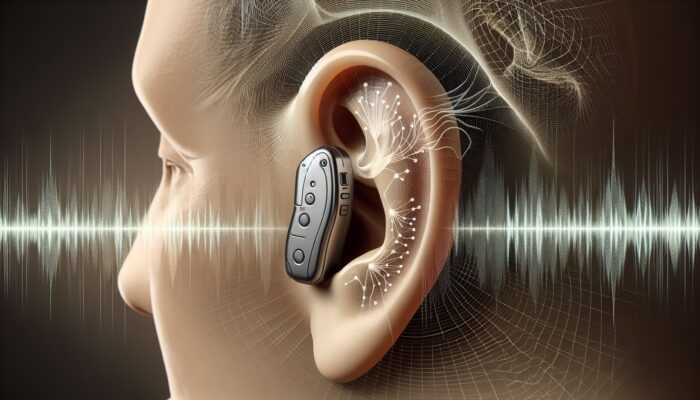
Originally posted 2025-05-02 03:13:52.

The post Hearing Aid Connectivity Paving the Way for a Universal Future appeared first on Healthcare Marketing Service.

Categories
Health & Wellness Hearing Devices

Top 5 Hearing Aids by Feature – Bluetooth, AuraCast, and More

Last Updated on 08/06/2026 by Admin

The best hearing aids in the UK for 2026 are no longer just about sound amplification. The biggest differences now come down to battery life, Bluetooth streaming quality, how invisible the design is, and whether the devices are Auracast-ready for next-generation public audio streaming. Brands like Signia, Rexton, Widex, Oticon, and Starkey are leading the market with premium rechargeable and AI-powered models. Recent UK audiology reviews especially highlight the rise of Auracast-compatible devices and discreet rechargeable in-ear designs.

1. Best Overall

– Signia Pure Charge&Go IX

The Signia IX platform is arguably the most balanced premium option in the UK right now. It combines excellent speech-in-noise performance, strong Bluetooth streaming, long battery life, and some of the best app controls available. The Integrated Xperience platform is especially good for people who move between conversations frequently.

2. Best Invisible Hearing Aid

– Signia Silk IX Charge&Go

One of the smallest rechargeable in-ear hearing aids with Bluetooth-ready technology and discreet fit.

This is one of the few truly discreet rechargeable CIC-style hearing aids available in the UK. It is designed for users wanting nearly invisible hearing support without sacrificing modern streaming and rechargeability.

3. Best for Natural Sound

– Widex Allure 440

Premium rechargeable hearing aid known for exceptionally natural sound and low processing delay.

Widex continues to dominate among music lovers and users sensitive to artificial sound processing. The SmartRIC redesign also improves microphone positioning and battery efficiency.

4. Best for Auracast

– Starkey Omega AI 24

The Omega AI 24 is Starkey’s top-tier hearing aid technology. It includes exclusive DNN 360 directionality for the best speech understanding in noisy environments, advanced spatial awareness, and the highest level of automatic sound optimisation. This model is ideal for active users who regularly spend time in restaurants, social gatherings, meetings, or busy public places

5. Best for Brain-Led AI Processing

– Oticon Intent 1

Oticon Intent is one of the smartest hearing aids available, using 4D sensors that react to movement, listening intent, and conversation dynamics in real time. UK reviewers consistently rank it among the best premium hearing aids of 2026.

Signia Pure Charge and Go IX Signia Silk Charge & Go IX Widex Allure RIC 440 Starkey Omega AI 24 Oticon Intent 1
Style RIC (Receiver-in-Canal) CIC / Invisible-in-ear RIC Custom rechargeable miniRITE
Rechargeable Yes Yes Yes Yes Yes
Bluetooth Streaming Excellent Limited vs RIC models Excellent Excellent Excellent
Auracast / LE Audio LE Audio-ready Limited future support Expected future support Strong early support LE Audio capable
Best Strength Group conversations Discreet design Natural sound quality AI + smart features Adaptive listening
Speech in Noise Excellent Very good Good–Very Good Excellent Excellent
Music Quality Very Good Good Excellent Very Good Very Good
Visibility Low-profile Nearly invisible Moderate Invisible/custom Moderate
Battery Life Up to full day+ Full day Full day Excellent Excellent
App Experience Excellent Signia app Signia app Widex app Starkey app with wellness tools Oticon Companion
Best For Busy social environments Users wanting invisible aids Music lovers & natural sound Tech-focused users Dynamic listening environments
Hearing Loss Range Mild–Profound Mild–Moderate Mild–Profound Mild–Severe Mild–Profound
Key Differentiator RealTime Conversation Enhancement Smallest rechargeable Signia style Widex PureSound processing AI health + environmental features 4D user-intent sensors

The best overall balance for most UK users is probably the Signia Pure Charge&Go IX if speech clarity in restaurants, meetings, and group settings is the top priority. The Widex Allure 440 stands out for music and natural sound reproduction, while the Signia Silk IX is ideal if cosmetic invisibility matters most. Starkey Omega AI 24 is strongest for users wanting AI-driven wellness and future-facing connectivity, and Oticon Intent 1 excels in adaptive environmental processing using motion and conversation sensors.

The post Top 5 Hearing Aids by Feature – Bluetooth, AuraCast, and More appeared first on The Microsuction Ear Wax Removal Network.
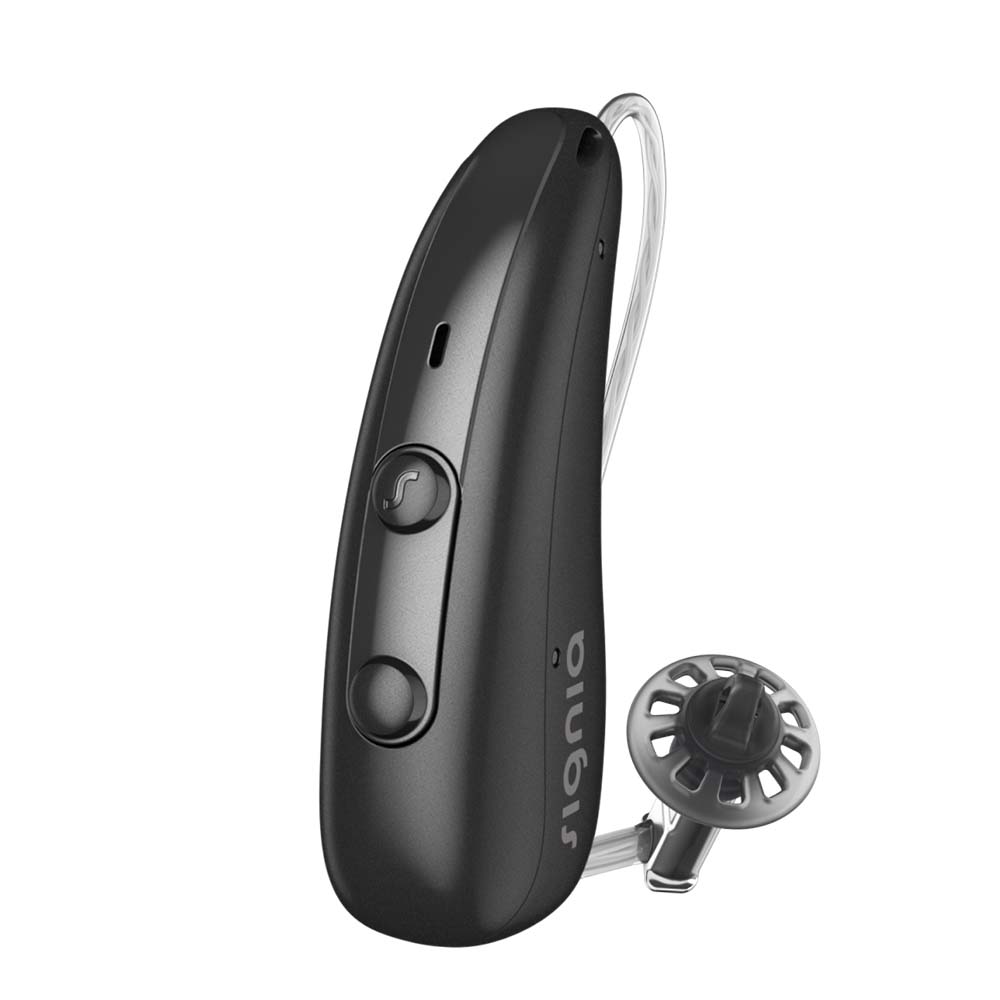
Categories
Hearing Devices Science & Technology

Starkey Muse i2000 £1295 CIC ITC ITE RIC BTE

Starkey Muse i2000 £1295 from Hearing First brings a new generation of power and precision to hearing aid wearers, making conversation clearer in noisy environments, and music more natural.

Starkey Muse i2000 £1295 from Hearing First

Starkey Muse i2000 £1295

Look around and you’ll find that you’ll get the best price in the UK for the Starkey Muse i2000 from Hearing First.

Our new standard in ear-to-ear communication, Acuity Binaural Imaging features ultra high-definition audio to bring a more natural ear-to-ear experience to patients. Thanks to collaborative decision making, speech audibility can be preserved while simultaneously maintain comfort.

Today’s patients want to enjoy listening in every setting. Acuity Lifescape Analyzer, our most rigorously tested environmental detection system, makes it possible. Its seven sound classes handle multiple environments simultaneously and deliver our most sophisticated and accurate classification and adaptation system ever.

Designed to improve speech detection in difficult listening environments,Acuity Directionality is intelligent and personalized to continually adapt in all channels, prioritizing conversations with up to 6dB of speech enhancement, so patients can better hear and participate in conversations from all directions.

Acuity Voice runs in parallel with Acuity Lifescape Analyzer to provide optimal audibility for speech. Its two-part algorithm uses dynamic voice identification, coupled with a spectral noise control that calculates appropriate gain on a per-channel basis, for unprecedented sound quality, ease of listening, and intelligibility of speech in noise.

Our patient-preferred wireless system, 900sync, streams a caller’s voice to both ears with our new Ear-to-Ear Phone Streaming, making understanding on the phone easier than ever.

Technology in the Starkey Muse i2000

The i2000 model boasts:

  • 20 channels and 20 bands
  • Extended bandwidth up to 10kHz
  • Acuity OS
  • 900sync Wireless Technology
  • Wireless Spatial Streaming
  • Acuity Speech Optimisation – Medium
  • Music Enhancement, incorporating
    • Music Adaptation – Level 2
    • Music Memory
    • E2E Music Adaptation – Medium
  • Ear 2 Ear Acuity Binaural Imaging, incorporating
    • E2E Machine Noise Adaptation – Level 2
    • E2E Wind Noise Management – Level 2
    • E2E Directionality
    • E2E Phone Streaming
  • Environment Manager – Acuity Lifescape Analyser, incorporating
    • Music – Level 2
    • Speech – Level 2
    • Speech and Noise – Level 2
    • Machine Noise – Level 2
    • Wind – Level 2
    • Noise – Level 2
    • Quiet – Level 2
  • Directional Processing – Acuity Directionality, incorporating
    • Channels: 20
    • Dynamic – Medium
    • Directional – Medium
    • Adaptive – Medium
  • Noise Control – Acuity Voice
    • Noise Reduction Strength – Level 2
  • Whistlefree Feedback Cancellation
  • Speech Shift Frequency Lowering
  • Multiflex Tinnitus Technology
  • SurfLink Wireless Accessories

Muse, with Starkey’s all new Synergy platform is the only platform to feature quad core twin compressor technology, and the first to provide supreme precision for audibility and the ultimate optimization for listening enjoyment. Synergy, in combination with Acuity OS, our new high-definition operating system, enable speech and sounds like music to be processed uniquely for the first time ever – advancing speech audibility and listening enjoyment of music in all environments.

Synergy also incorporates 900sync Technology, our patient preferred wireless technology, delivering a pristine audio experience that is made to aid unilateral loss with our new Muse CROS System as well as improve phone understanding with our new ear-to-ear phone streaming.

Categories
Health & Wellness Hearing Devices

Oticon Intent 4 RIC / BTE

Last Updated on 8th May 2026 by Dane Lozano

The Oticon Intent 4 is the entry-level technology model in the Oticon Intent hearing aid family, designed to deliver clear everyday hearing support, natural sound quality, and modern connectivity features in a discreet rechargeable design. Powered by Oticon’s Sirius processing platform and BrainHearing technology, Intent 4 helps users hear conversations more clearly while preserving awareness of the surrounding environment.

Designed for users who spend most of their time in quiet to moderately noisy environments, Oticon Intent 4 combines intelligent sound processing, Bluetooth streaming, rechargeability, and automatic environmental adjustments in a comfortable miniRITE or miniBTE design.

Price: From approximately 1,295.00 per aid depending on fitting package and accessories.


What Is the Oticon Intent 4?

The Oticon Intent 4 is the most accessible technology level within the Oticon Intent range. It uses Oticon’s Sirius processing chip and Deep Neural Network (DNN) technology to help improve speech understanding and listening comfort in everyday situations.

While higher Intent levels include more advanced environmental adaptation and stronger noise reduction, Intent 4 focuses on providing dependable hearing support for quieter lifestyles and less demanding listening environments.

Intent 4 is available in:

  • miniRITE rechargeable styles
  • miniBTE rechargeable styles

Both designs include Bluetooth streaming, rechargeable batteries, and compatibility with Oticon accessories and apps.


Key Features of Oticon Intent 4

BrainHearing Technology

Oticon’s BrainHearing approach supports the brain’s natural way of processing sound, helping users hear conversations more comfortably and naturally.

Sirius Processing Chip

The Sirius chip powers Intent 4’s sound processing and environmental adaptation system for improved speech understanding in everyday listening situations.

Deep Neural Network Sound Processing

Oticon’s DNN technology has been trained on millions of real-world sounds to help improve speech clarity while maintaining balanced environmental awareness.

Rechargeable miniRITE & miniBTE Designs

Intent 4 is available in discreet rechargeable styles with comfortable all-day wear and dependable battery life.

Bluetooth Streaming & Connectivity

Users can stream calls, music, television audio, and media directly from compatible smartphones and devices.

Auracast Compatibility

Intent 4 supports next-generation Auracast technology for public wireless audio broadcasting.

Oticon Companion App

The Oticon Companion app allows users to personalise settings, adjust volume, change programs, and access support features remotely.

Water & Dust Resistance

Intent hearing aids are IP68-rated for strong protection against dust and moisture exposure.


Benefits of Oticon Intent 4 Hearing Aids

Clear Everyday Conversations

Intent 4 helps users hear speech more clearly during family conversations, television viewing, shopping trips, and daily activities.

Natural Sound Quality

Oticon’s BrainHearing platform focuses on balanced environmental sound awareness rather than overly aggressive sound filtering.

Comfortable Daily Listening

Automatic sound adjustments help reduce listening fatigue throughout the day.

Modern Streaming Features

Bluetooth streaming and Auracast support allow users to enjoy calls, music, and media directly through their hearing aids.

Rechargeable Convenience

The rechargeable battery system removes the need for disposable batteries while providing reliable all-day hearing support.

Accessible Premium Technology

Intent 4 offers many of Oticon’s modern premium platform features at a more affordable technology level.


Real User Feedback

Some users report that Oticon Intent 4 provides excellent value for users who mainly live in quieter environments and do not frequently struggle in very noisy situations. Others note that the differences between Intent 4 and Intent 3 may be relatively small for quieter lifestyles, while larger improvements are often noticed when moving to Intent 1 or 2.

A few users mention that personalised fine-tuning with an audiologist is important during the adjustment period, especially for first-time hearing aid wearers.


Who Is the Oticon Intent 4 Best For?

Oticon Intent 4 may be ideal for:

  • First-time hearing aid users
  • Adults with quiet to moderately active lifestyles
  • Users wanting rechargeable Bluetooth hearing aids
  • People seeking affordable AI-assisted hearing technology
  • Individuals wanting natural sound quality and everyday speech support

Oticon Intent 4 Summary

The Oticon Intent 4 combines BrainHearing technology, AI-powered sound processing, rechargeable convenience, and Bluetooth connectivity in a discreet modern hearing aid design. Designed for users wanting dependable everyday hearing support at a more accessible price point, Intent 4 offers natural sound quality, clear conversations, and modern wireless features for daily life.

Categories
Health & Wellness Hearing Devices

Oticon Intent 2 RIC / BTE

Last Updated on 8th May 2026 by Dane Lozano

The Oticon Intent 2 is an advanced-level model in the Oticon Intent hearing aid range, designed to provide excellent speech clarity, natural environmental awareness, and personalised hearing support in everyday situations. Using Oticon’s groundbreaking 4D Sensor technology and BrainHearing philosophy, Intent 2 intelligently adapts to the user’s listening focus and surroundings to improve speech understanding while maintaining a realistic sound experience.

Designed for users who want premium hearing technology without moving to the top-tier Intent 1 level, Intent 2 combines AI-driven sound processing, rechargeable convenience, Bluetooth streaming, and real-time environmental adaptation in a discreet miniRITE design.

Price: From approximately 1,795.00 per aid depending on fitting package and accessories.


What Is the Oticon Intent 2?

The Oticon Intent 2 is the second-highest technology level in the Oticon Intent family. It uses advanced AI sound processing and 4D Sensor technology to analyse:

  • Head movement
  • Body movement
  • Conversation activity
  • Environmental sound conditions

This allows the hearing aids to automatically adapt hearing support based on the wearer’s listening intentions and surroundings.

Intent 2 is designed to provide strong performance in daily listening environments such as restaurants, meetings, workspaces, family gatherings, and public settings while preserving natural environmental sound awareness.


Key Features of Oticon Intent 2

4D Sensor Technology

Oticon Intent 2 continuously tracks movement and listening behaviour to optimise hearing support in real time for clearer conversations and improved listening comfort.

BrainHearing Technology

Oticon’s BrainHearing platform supports how the brain naturally processes sound, helping reduce listening effort and improve overall hearing comfort.

Advanced AI Sound Processing

Intent 2 uses deep neural network technology trained on millions of real-world sounds to improve speech understanding while maintaining balanced sound quality.

Strong Speech Clarity in Noise

The Intent 2 level delivers advanced speech enhancement and environmental balancing for users who regularly encounter moderate to busy listening situations.

Rechargeable miniRITE Design

The discreet rechargeable miniRITE design offers comfortable all-day wear with dependable battery performance.

Bluetooth LE Audio & Auracast

Users can stream phone calls, music, television audio, and media directly from compatible devices while supporting next-generation Auracast technology.

Hands-Free Calling

Compatible smartphones can support hands-free calling directly through the hearing aids for added convenience.

Oticon Companion App

The Companion app allows users to personalise listening programs, adjust settings, and access remote support features.


Benefits of Oticon Intent 2 Hearing Aids

Clear Speech in Everyday Noise

Intent 2 is designed to improve speech understanding in restaurants, workplaces, meetings, and social environments.

Intelligent Personalised Hearing Support

The 4D Sensor system automatically adjusts hearing support based on the user’s focus and movement throughout the day.

Reduced Listening Fatigue

BrainHearing technology helps reduce mental strain by presenting sound in a balanced and natural way.

Natural Environmental Awareness

Intent 2 maintains awareness of surrounding sounds instead of aggressively isolating speech.

Strong Streaming & Connectivity

Bluetooth LE Audio and Auracast provide reliable streaming performance for calls, music, and public audio broadcasts.

Comfortable Everyday Wear

The lightweight miniRITE design supports discreet and comfortable long-term use.


Real User Feedback

Many users praise Oticon Intent hearing aids for their natural sound quality and automatic environmental adaptation. Some users report that Intent 2 provides an excellent balance between premium performance and affordability compared to the flagship Intent 1 model.

Users often appreciate the smooth sound transitions and realistic environmental awareness, while some note that personalised fitting adjustments may improve performance in more complex noisy situations.


Who Is the Oticon Intent 2 Best For?

Oticon Intent 2 may be ideal for:

  • Users wanting advanced hearing technology at a lower price than Intent 1
  • Adults who regularly encounter moderate noisy environments
  • People wanting rechargeable Bluetooth hearing aids
  • Users prioritising natural sound quality and speech clarity
  • Individuals seeking AI-powered hearing support for everyday life

Oticon Intent 2 Summary

The Oticon Intent 2 combines advanced AI sound processing, intelligent 4D Sensor technology, and BrainHearing support to deliver excellent speech clarity and personalised hearing performance in daily life. Designed for users who want premium hearing support with strong value and modern connectivity, Intent 2 offers a balanced combination of speech enhancement, environmental awareness, and rechargeable convenience.

Categories
Health & Wellness Hearing Devices

Oticon Zeal NXT In-The-Ear

Click here to order!

The Oticon Zeal is Oticon’s latest ultra-discreet rechargeable hearing aid designed for users who want premium hearing performance in a nearly invisible design. Combining advanced AI-powered sound processing, Bluetooth connectivity, rechargeability, and BrainHearing technology, Oticon Zeal delivers clear speech and natural sound while remaining one of the smallest complete hearing aid solutions currently available.


What Is the Oticon Zeal?

The Oticon Zeal is an advanced in-ear hearing aid platform designed to combine discreet styling with premium hearing technology. Unlike many traditional invisible hearing aids, Zeal includes rechargeable batteries, Bluetooth streaming, Auracast support, and AI sound processing in a compact design.

Oticon describes Zeal as “the world’s most discreet, complete hearing aid,” focusing on users who want both cosmetic discretion and full modern hearing aid functionality.


Key Features of Oticon Zeal

Second-Generation AI Sound Processing

Oticon Zeal uses advanced AI-driven sound processing to improve speech clarity and environmental awareness in real time, helping users hear conversations more naturally in challenging environments.

BrainHearing Technology

Oticon’s BrainHearing platform supports how the brain naturally processes sound by providing access to a balanced sound environment rather than aggressively isolating speech.

Ultra-Discreet In-Ear Design

The Zeal is designed to sit discreetly inside the ear, making it significantly less visible than traditional behind-the-ear hearing aids.

Rechargeable Battery System

The built-in lithium-ion battery provides all-day hearing support with fast charging and portable charging case options available.

Bluetooth LE Audio & Auracast

Users can stream phone calls, music, meetings, and media directly from compatible devices while also supporting new Auracast public broadcast technology.

Smartphone App Compatibility

The Oticon Companion app allows users to adjust settings, personalise listening programs, and locate misplaced hearing aids.

Flexible Same-Day Fitting

Oticon Zeal supports both instant-fit dome options and custom earmould fittings for more personalised comfort and retention.


Benefits of Oticon Zeal Hearing Aids

Nearly Invisible Appearance

Oticon Zeal is designed for users who want hearing support without the visibility of traditional hearing aids.

Clear Speech in Noise

AI-powered sound processing helps improve speech understanding in busy environments such as restaurants, social events, and public spaces.

Full Connectivity in a Small Device

Unlike many invisible hearing aids, Zeal includes streaming, app control, rechargeability, and Auracast support in one compact device.

Comfortable Daily Wear

Many early users praise the lightweight design and comfort during extended wear.

Natural Sound Quality

Oticon’s BrainHearing approach aims to deliver more balanced and realistic sound quality while reducing listening fatigue.


Real User Feedback

Some users describe Oticon Zeal as an “almost invisible” alternative to larger hearing aids while still maintaining premium streaming and AI features. Others praise the natural sound quality and comfort compared to traditional behind-the-ear models.

A few reviewers note that the small size may make insertion more difficult for users with dexterity challenges, while battery life may vary depending on streaming usage.


Who Is Oticon Zeal Best For?

Oticon Zeal may be ideal for:

  • Users wanting nearly invisible hearing aids
  • Adults seeking rechargeable in-ear hearing aids
  • People wanting Bluetooth streaming in a discreet device
  • Users struggling with speech clarity in noise
  • First-time hearing aid wearers wanting modern AI technology

Oticon Zeal Summary

The Oticon Zeal combines ultra-discreet styling with premium AI-powered hearing technology, rechargeable convenience, and full Bluetooth connectivity. Designed for users who want natural sound, clearer conversations, and modern streaming features in one of the smallest hearing aid designs available, Zeal represents Oticon’s newest generation of discreet premium hearing solutions.

Categories
Health & Wellness Hearing Devices

Hearing Aids: Understanding Their Unique Sound Processing

Last Updated on 24/02/2026 by Admin

Essential Elements of Sound Processing Technology in Hearing Aids

What Is the Process of Initial Sound Capture in Hearing Aids?

Hearing aids commence their essential function by effectively capturing sound through integrated microphones. These advanced devices are designed to detect a variety of environmental noises, converting them into electrical signals that can be amplified to enhance clarity for the user. This crucial initial sound capture process plays a vital role in enhancing communication, particularly in diverse auditory environments. Common sources of sound that hearing aids process include:

Grasping the mechanics of the initial sound capture process elucidates how hearing aids facilitate improved interactions with the surrounding world, enhancing the user experience in everyday life.

What Are the Key Components Essential for Sound Processing?

The sound processing capabilities in hearing aids depend on several crucial components, including amplifiers and filters. These elements collaborate seamlessly to adjust sound frequencies, enhancing intelligibility while simultaneously diminishing unwanted background noise. Amplifiers play a significant role by increasing the volume of faint sounds, allowing users to perceive previously inaudible noises. On the other hand, filters selectively enhance frequencies critical for understanding speech. This sophisticated interaction is paramount for users, ensuring they can effectively navigate various acoustic environments, from bustling streets to quiet library settings, without sacrificing essential auditory information.

What Are the Key Differences Between Analog and Digital Sound Processing Methods?

Hearing aids predominantly utilize two distinct types of sound processing: analog and digital. Analog systems modify sound signals in a straightforward linear manner, producing a direct amplification of incoming sounds. In contrast, digital hearing aids employ complex algorithms to analyze sound waves, allowing for precise adjustments tailored to the user’s auditory environment. This difference highlights the adaptability of digital devices, which can better accommodate a wide range of listening scenarios, from intimate one-on-one conversations to lively crowded gatherings. Digital hearing aids optimize their responses, ensuring users enjoy enhanced clarity and comfort in their listening experience.

How Do Advanced Noise Reduction Techniques Enhance Hearing Aid Functionality?

Modern hearing aids incorporate advanced noise reduction techniques, which are fundamental for improving auditory experiences. Utilizing sophisticated algorithms, these technologies detect and minimize unwanted background sounds, enabling users to focus on desired sounds, particularly speech, even amidst noisy surroundings. By effectively filtering out distractions, hearing aids significantly enhance comprehension and decrease the cognitive effort required to understand conversations. This enhancement not only creates a more enjoyable auditory experience but also greatly increases overall user satisfaction. The result is a more natural listening environment, making social interactions much more enjoyable and rewarding for hearing aid users.

How Do User Customization and Adaptive Features Improve Hearing Aids?

A standout feature of modern hearing aids is their ability to provide user customization and adaptive capabilities. Users can fine-tune settings according to their personal hearing needs and the acoustics of their surroundings. For example, in quieter settings, users may opt to amplify specific frequencies, while in louder environments, automatic adjustments can suppress unwanted background noise. This level of personalization ensures that hearing aids cater to individual preferences, greatly enhancing sound management effectiveness. The ability to adapt in real-time not only provides convenience but also instills a sense of control for users, empowering them to navigate diverse soundscapes with confidence.

How Do Hearing Aids Effectively Amplify Sounds for Users?

What Role Do Microphones Play in Sound Amplification?

Microphones serve as the primary components in hearing aids responsible for the critical process of sound amplification. They expertly detect sound waves from the environment and convert these waves into electrical signals, which are then processed for amplification. By applying gain, hearing aids enhance quieter sounds while maintaining clarity, which is essential for effective communication. The efficacy of amplification is directly linked to the quality of the microphones, which must accurately capture a broad range of frequencies. High-quality microphones enable users to engage in conversations effortlessly, making social interactions smoother and more enjoyable. This capacity to amplify sounds dramatically improves communication, particularly in challenging auditory environments.

Why Is Frequency Adjustment Essential in Hearing Aids?

Frequency adjustment holds significant importance in hearing aids, as it tailors sound processing to the unique hearing profiles of users. Individuals with hearing loss may struggle with specific frequency ranges, particularly those utilized in speech, making it challenging to discern conversations. By emphasizing these essential frequencies, hearing aids effectively bridge the gap in auditory perception. This adjustment not only aids in enhancing understanding during conversations but also enriches the overall listening experience across various environments. Customizing frequency responses ensures that users can enjoy music, conversations, and other sounds without losing critical auditory cues essential for effective communication.

What Are the Effects of Amplification on Overall Sound Quality?

While amplification is vital for boosting sound volume, it must also consider sound quality to prevent distortion. Hearing aids strive to achieve a balance between these two aspects, ensuring users experience natural audio throughout their daily activities. Distorted sounds can lead to frustration and hinder communication, undermining the primary purpose of these listening devices. Therefore, advanced sound processing techniques are utilized to maintain clarity and fidelity, allowing users to enjoy a rich auditory experience. This meticulous attention to sound quality ultimately empowers users, enabling them to engage more fully in conversations and various sound-related activities without compromising their listening pleasure.

How Do Hearing Aids Utilize Digital Signal Processing for Enhanced Performance?

Digital signal processing (DSP) serves as a cornerstone technology in hearing aids, converting analog sounds into digital signals for precise amplification and modification. This sophisticated process permits real-time adjustments tailored to enhance speech clarity while simultaneously reducing background noise. By employing advanced algorithms, hearing aids can dynamically analyze and respond to the user’s auditory environment. This capability ensures that users receive a highly personalized sound experience, adapting seamlessly to various listening situations, from serene quiet rooms to bustling social gatherings. The integration of DSP technology marks a significant advancement in hearing aid performance, fostering greater user satisfaction and engagement.

Expert Insights on Differentiated Sound Processing in Hearing Aids

What Are the Advanced Filtering Techniques Employed in Hearing Aids?

Experts highlight the crucial role of advanced filtering techniques in hearing aids, designed to isolate desired sounds while minimizing unwanted noise. Noise reduction filters intelligently identify background disturbances and apply effective solutions to enhance the user’s auditory focus. For instance, in a busy restaurant, these filters can dramatically improve the clarity of conversations by reducing ambient chatter. Users are encouraged to optimize device settings, leveraging these advanced features to maximize their hearing aid’s capabilities. This personalized tuning process enhances overall satisfaction and ensures users can comfortably navigate diverse auditory environments, enriching their daily interactions.

How Does Customization Enhance User Preferences in Hearing Aids?

Personalization is paramount in enhancing the effectiveness of hearing aids. Custom programming tailored to individual hearing profiles allows users to adjust their devices to meet specific auditory needs. For instance, a user may prefer a treble boost for music enjoyment but require enhanced bass for speech clarity in noisy environments. Real-world examples illustrate how such adaptive features significantly enrich user experiences. By adjusting settings according to personal preferences, hearing aids transform into finely-tuned instruments that cater to the nuances of daily life, ensuring users derive maximum benefit from their auditory experiences.

How Is Integration with Other Technologies Revolutionizing Hearing Aids?

The integration of hearing aids with other technologies represents a transformative advancement in their functionality. Many modern devices connect seamlessly with smartphones, tablets, and other accessories, allowing users to manage settings, stream audio, and receive updates effortlessly. This connectivity significantly enhances user experiences, providing a streamlined approach to sound management. Specialists underscore the importance of these capabilities, noting how they can dramatically improve hearing aid usability. By embracing this integration, users gain access to a broader range of features and functionalities that enrich their auditory experiences, making communication more effective and enjoyable.

Research-Backed Benefits of Advanced Sound Processing in Hearing Aids

How Does Signal Processing Enhance Clarity in Hearing Aids?

Research has shown that advanced signal processing algorithms substantially improve speech recognition in hearing aids. By carefully fine-tuning the amplification of specific frequencies, these devices reduce the listening effort required in noisy environments. This enhancement enables users to engage more confidently in conversations, allowing them to focus on speech without being overwhelmed by surrounding sounds. Users are encouraged to explore the various settings available on their hearing aids, optimizing their devices for different listening scenarios to maximize clarity and comfort. This personalized approach promotes effective communication and boosts user confidence.

What Are the Long-Term Advantages of Adaptive Features in Hearing Aids?

Evidence indicates that the adaptive features found in modern hearing aids play an essential role in preventing auditory fatigue. By dynamically adjusting to varying environments, these devices minimize strain on the auditory system, leading to sustained benefits for cognitive health over time. Users who frequently utilize these features often report increased energy levels and improved overall well-being. Educating users about the advantages of adaptive technologies empowers them to fully leverage their hearing aids, ensuring they remain engaged and active participants in their daily lives, thereby enhancing their quality of life.

How Is Effectiveness Measured Through Outcomes in Hearing Aids?

Research evaluating the effectiveness of hearing aids employs standardized tests to assess user satisfaction and performance metrics. These evaluations yield valuable insights into how well devices perform across diverse listening scenarios. By continuously assessing outcomes, manufacturers can refine their technologies to ensure that hearing aids meet the evolving needs of users. Such measurements are vital for establishing reliable benchmarks, assisting prospective users in making informed decisions about their hearing health and the devices they choose, ultimately leading to better auditory experiences.

What Are the Cutting-Edge Features in Sound Processing Technology?

What Emerging Technologies Are Shaping the Future of Hearing Aids?

Emerging technologies in hearing aids include innovations such as directional microphones and the integration of artificial intelligence. Directional microphones enhance sound capture from specific sources, providing users with clearer audio in dynamic environments. Furthermore, AI integration allows devices to learn from user behavior, adjusting sound processing based on common listening scenarios. These advancements significantly improve sound handling, making hearing aids more effective in diverse settings. As technology continues to progress, users can anticipate even greater enhancements that will further elevate their auditory experiences, enriching their quality of life.

How Can Users Optimize Hearing Aids for Various Environments?

Optimizing hearing aids for different environments entails understanding how to effectively adjust settings. Users can customize their devices for a variety of scenarios, such as tranquil rooms, busy streets, or lively social gatherings. Many modern hearing aids come equipped with user-friendly presets that can be easily selected, ensuring versatile performance without overwhelming complexity. Users should take the time to familiarize themselves with these settings, experimenting with different configurations to discover their ideal auditory balance. This proactive approach not only enhances the functionality of hearing aids but also empowers users to enjoy sound in a way that feels natural and comfortable.

What Are the Benefits of Wireless Connectivity Options in Hearing Aids?

Wireless connectivity options in hearing aids offer significant advantages, enabling seamless pairing with smartphones, televisions, and other devices. This integration facilitates a consistent and user-friendly experience, as users can stream audio directly to their hearing aids. Tips for effective integration include ensuring that devices are fully charged, exploring compatible applications for further customization, and regularly checking for software updates to maintain optimal performance. By utilizing these connectivity features, users can enjoy a more immersive auditory experience that enhances their daily interactions and overall quality of life.

What Are the Future Trends in Hearing Aid Technology?

What Potential Innovations in Sound Adaptation Can We Expect?

The future of hearing aid technology holds exciting potential innovations in sound adaptation. Upcoming developments may feature smarter algorithms capable of learning from user habits, allowing devices to deliver increasingly personalized auditory experiences. Such advancements will enhance the adaptability of hearing aids, ensuring they respond more effectively to various listening environments. As research and development continue to evolve, users can look forward to a future where hearing aids become even more intuitive and responsive to their unique auditory needs, significantly improving their overall auditory experiences.

What Challenges Exist in Processing Complex Sounds?

Processing complex sounds presents ongoing challenges for hearing aids, especially in environments characterized by echo or significant variability. Addressing these challenges demands continuous refinements in technology to improve reliability and sound clarity. Innovations aimed at mitigating echo and enhancing sound perception in dynamic acoustic settings are critical for the future of hearing aids. By focusing on these issues, manufacturers can strive to create devices that deliver consistent performance, ensuring users receive the best possible auditory experiences, regardless of their listening environment.

How Is the Evolution of User Interfaces Benefiting Hearing Aid Users?

User interfaces in hearing aids are evolving to become more intuitive and accessible, reflecting the changing needs of users. Anticipated advancements include simplified controls and feedback mechanisms, making it easier for users to navigate their devices. This evolution empowers individuals to fully leverage their hearing aids, enabling them to make real-time adjustments based on their needs and preferences. The trend toward user-friendly designs highlights the growing recognition of the importance of user experience in hearing aid technology, paving the way for a future where hearing aids are both highly effective and easy to use.

Frequently Asked Questions About Hearing Aids

What Are the Primary Functions of Hearing Aids?

Hearing aids are designed to amplify sounds, enhance speech clarity, reduce background noise, and provide various customization options for users to adapt to different environments, ultimately improving their auditory experience.

How Do Hearing Aids Enhance Sound Quality?

Hearing aids use advanced algorithms to balance amplification without introducing distortion, ensuring users experience natural sound quality during conversations and various activities, leading to more enjoyable auditory interactions.

What Is Digital Signal Processing in Hearing Aids?

Digital signal processing enables hearing aids to convert analog sounds into digital signals, allowing for precise sound modifications in real time, greatly enhancing clarity and user satisfaction.

Can Hearing Aids Connect to Smartphones for Added Functionality?

Many modern hearing aids come equipped with wireless connectivity options that allow them to seamlessly pair with smartphones, enabling users to stream audio directly to their devices for a more integrated experience.

Why Is Frequency Adjustment Important for Effective Hearing?

Frequency adjustment is crucial as it tailors sound processing to an individual’s unique hearing profile, emphasizing important frequencies, particularly for speech, thereby enhancing communication and overall auditory experiences.

How Often Should Hearing Aids Be Serviced for Optimal Performance?

Hearing aids should ideally be serviced regularly—approximately every six months—to ensure they maintain optimal performance and address any technical issues that may arise during regular use.

What Are Some Common Features Found in Modern Hearing Aids?

Common features in contemporary hearing aids include adaptive noise reduction, directional microphones, wireless connectivity options, and customizable settings tailored to individual user preferences for enhanced experience.

How Can I Choose the Right Hearing Aid to Suit My Needs?

Selecting the right hearing aid involves consulting with an audiologist, assessing the type of hearing loss, and considering lifestyle factors to identify the best fit for individual auditory needs and preferences.

Can Hearing Aids Provide Relief for Tinnitus Symptoms?

Many hearing aids are equipped with features specifically designed to assist in managing tinnitus, offering relief through sound masking and other therapeutic functions tailored to alleviate symptoms.

What Advancements Can We Expect in the Future of Hearing Aids?

Future advancements in hearing aids may include smarter algorithms that learn user preferences, enhanced connectivity options, and improved user interfaces to facilitate easier navigation and further enrich the user experience.

Join us on X for exciting updates!

The post Hearing Aids: Understanding Their Unique Sound Processing appeared first on The Microsuction Ear Wax Removal Network.